Tinubu Proposes N9 Trillion Increase to 2026 Budget for Enhanced Fiscal Management
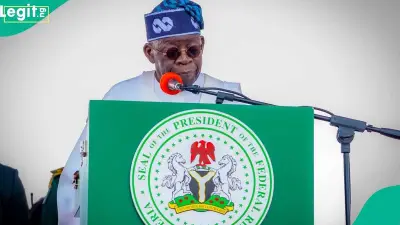
President Bola Ahmed Tinubu has formally requested that Nigeria's National Assembly approve a substantial increase of N9 trillion for the 2026 Appropriation Bill. This adjustment would elevate the proposed budget from N58.4 trillion to N67.4 trillion, with the primary goal of funding critical priority projects and improving fiscal transparency across the nation.
Official Communication and Rationale Behind the Budget Adjustment
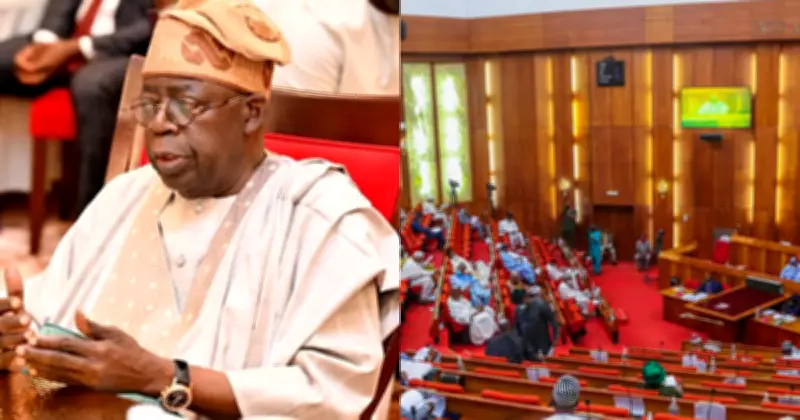
The request was conveyed through a letter read aloud in the Senate on Tuesday by Senate President Godswill Akpabio during a regular parliamentary session. In the letter, Tinubu emphasized that the proposed budget increase is designed to strengthen fiscal transparency and ensure the effective implementation of key national programs. He outlined three main factors driving this adjustment, aimed at addressing lingering financial commitments and stabilizing the economy.
Firstly, the adjustment seeks to finalize and settle legal obligations from previous budgets, preventing these from hindering the execution of the 2026 budget. Secondly, it will enable the government to accurately account for Nigeria's current debt within established budget rules, promoting better financial oversight. Thirdly, the increase will allocate funds for a select number of priority projects and shape the 2026 financing strategy to maintain economic stability and reduce pressure on local financial markets.
Background and Key Details of the 2026 Budget Proposal
In December, Tinubu initially presented a budget proposal of N58.18 trillion for the 2026 fiscal year to the National Assembly, titled "Budget of Consolidation, Renewed Resilience and Shared Prosperity." This proposal allocated N5.41 trillion to defence and security, representing approximately 9.3% of the total spending plan. Tinubu highlighted that economic growth and investment are heavily dependent on national security, underscoring the importance of this allocation.
The budget framework is based on what the administration describes as realistic, sensible, and growth-focused assumptions. Key components include an expected income of N34.33 trillion, total spending of N58.18 trillion, N15.25 trillion for regular non-debt expenses, and N26.08 trillion for major projects. The proposal also outlines a deficit of N23.85 trillion, which is 4.28% of Nigeria's Gross Domestic Product, aligning with the government's financial strategy.
Commitment to Fiscal Discipline and Economic Assumptions
Tinubu reiterated the administration's dedication to adhering to financial rules, enhancing transparency in debt management, and ensuring efficient use of public funds. The 2026–2028 Medium-Term Expenditure Framework and Fiscal Strategy Paper, which guides the budget, is based on several key economic assumptions. These include a benchmark crude oil price of $64.85 per barrel, projected oil production of 1.84 million barrels per day, and an exchange rate of N1,400 to one US dollar for the 2026 fiscal year.
This budget adjustment comes amid ongoing economic challenges and public scrutiny, with recent reports indicating that the Senate approved a $5 billion loan request from Tinubu in less than three hours after the letter was read. The move underscores the government's efforts to balance fiscal responsibility with the need to fund essential national initiatives, as Nigeria navigates complex financial landscapes and strives for sustainable growth.