Wike's Disobedience Sparked Military Confrontation
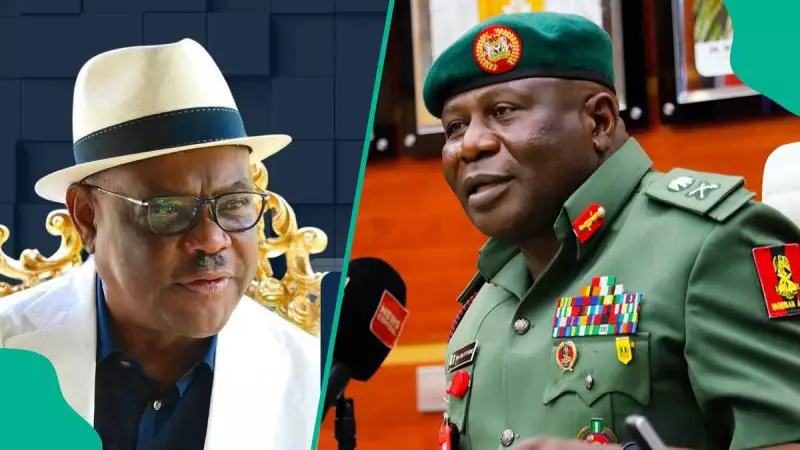
The Minister of State for Defence, Bello Matawalle, has revealed that Federal Capital Territory (FCT) Minister Nyesom Wike deliberately ignored the advice of Nigeria's Chief of Defence Staff before engaging in a heated confrontation with military officers over a land dispute in Abuja.
Speaking in an interview monitored by Legit.ng, Matawalle disclosed that General Olufemi Oluyede had specifically advised Wike against visiting the contested site in Gaduwa District, recommending instead that he wait for a formal investigation into the ownership dispute.
The Tuesday Altercation That Shook Abuja
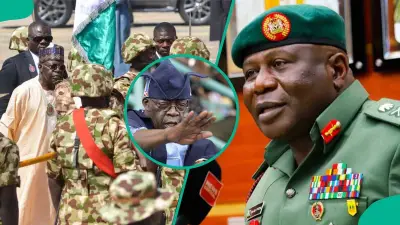
The incident occurred on Tuesday, November 11, 2025, when FCT Administration officials attempted to demolish an alleged unapproved development on Plot 1946 in Gaduwa District. Military officers stationed at the site, acting on instructions from former Chief of Naval Staff Vice Admiral Awwal Zubairu Gambo, prevented Wike and his team from accessing the property.
According to Matawalle, Wike demonstrated a clear lack of patience by proceeding to the site despite the military leadership's counsel. "The minister should understand that every officer has superiors," Matawalle stated, emphasizing that as a leader, Wike ought to have exercised restraint.
Investigation Launched Amid Growing Political Fallout
The defence ministry has confirmed that Chief of Naval Staff Emmanuel Ogalla has visited the disputed site to initiate a formal investigation into the land ownership claims. The confrontation has sparked significant public debate about civil-military relations within the FCT and raised questions about protocol adherence.
Political figures have weighed in on the incident, with Labour Party presidential candidate Peter Obi describing the altercation as a 'national embarrassment'. Obi questioned the growing trend of using military personnel for civil operations and expressed concern about political officeholders bypassing established protocols.
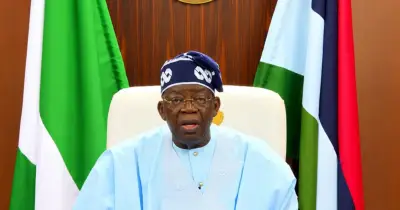
Matawalle further emphasized that the confrontation indirectly disrespected President Bola Ahmed Tinubu as Commander-in-Chief of the Armed Forces, highlighting the broader implications of the incident for Nigeria's governance structure and military-civil relations.