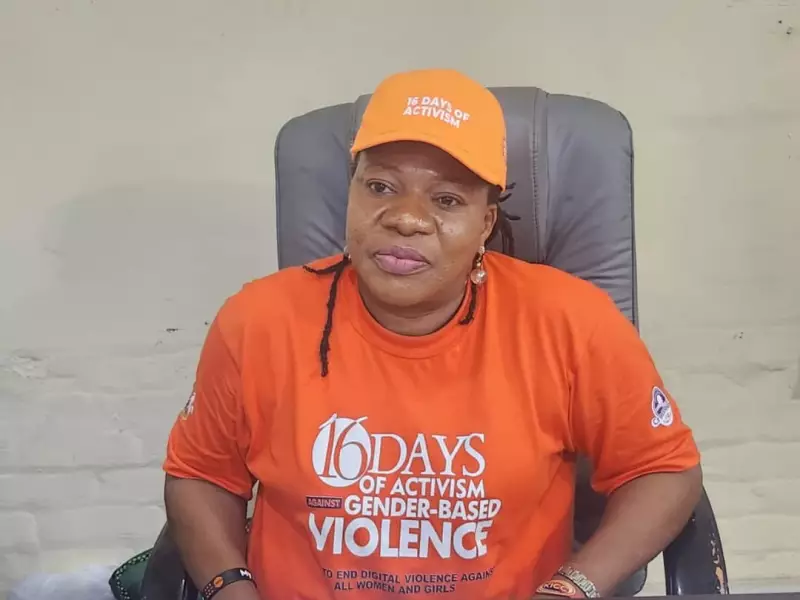
The Cross River State government has revealed alarming statistics about gender-based violence in the region, reporting approximately 800 cases recorded between January and November 2025 with only five convictions secured during this period.
Alarming GBV Statistics Emerge During UN Women Event
Commissioner for Women Affairs, Mrs. Edema Irom, disclosed these concerning figures during a media briefing in Akamkpa on November 26, 2025. The event marked the launch of the 2025 16 Days of Activism Against Gender-Based Violence by UN Women.
Irom expressed deep concern about the justice gap, noting that many perpetrators continue to walk free while survivors face stigma, trauma, and educational disruption. She highlighted specific cases where young rape survivors have been unable to return to school due to shame and inadequate institutional support systems.
Multiple Forms of Violence Plague Communities
The commissioner identified several troubling patterns of abuse across the state. In cocoa-producing communities and large plantations, minors are being used as cheap labor, a practice Irom described as a clear form of gender-based violence that requires immediate attention.
Motor parks have emerged as significant trafficking routes, with the commissioner revealing that young girls are sometimes sexually exploited for as little as ₦10,000. She urged National Union of Road Transport Workers (NURTW) officials to report suspicious activities to the Gender Desk or police authorities.
Digital Abuse Emerges as Growing Threat
Irom raised new concerns about technology-facilitated violence, reporting that at least 15 incidents this year involved online luring and dangerous relationships initiated through digital platforms. She warned that secondary school and university students are particularly vulnerable to falling into the hands of predators through online interactions.
The commissioner identified sextortion, image-based abuse, and digital threats as emerging forms of violence that can destroy victims' lives through humiliation and psychological trauma. She called for enhanced digital safety awareness among young people to combat this growing trend.
Systemic Challenges Hinder Justice
Limited resources pose significant obstacles to effective GBV response in Cross River State. Irom identified funding as the ministry's biggest challenge, with lack of vehicles and inadequate resources complicating case management, arrest procedures, and follow-up activities.
Currently, over 100 GBV-related cases are pending in various courts across the state, though progress remains frustratingly slow due to logistical constraints and investigative limitations.
The commissioner advocated for the establishment of a public offenders' register as a deterrent measure against potential abusers. She also commended UN Women for supporting community guidelines against harmful cultural practices, including early marriage, widowhood rites, and female disinheritance.
Akamkpa was selected as the launch location because the community recently developed and implemented its own anti-GBV guidelines with UN Women's support. Irom reaffirmed the state government's commitment to strengthening institutions, expanding advocacy efforts, and promoting women's economic empowerment as part of a comprehensive approach to combating gender-based violence.