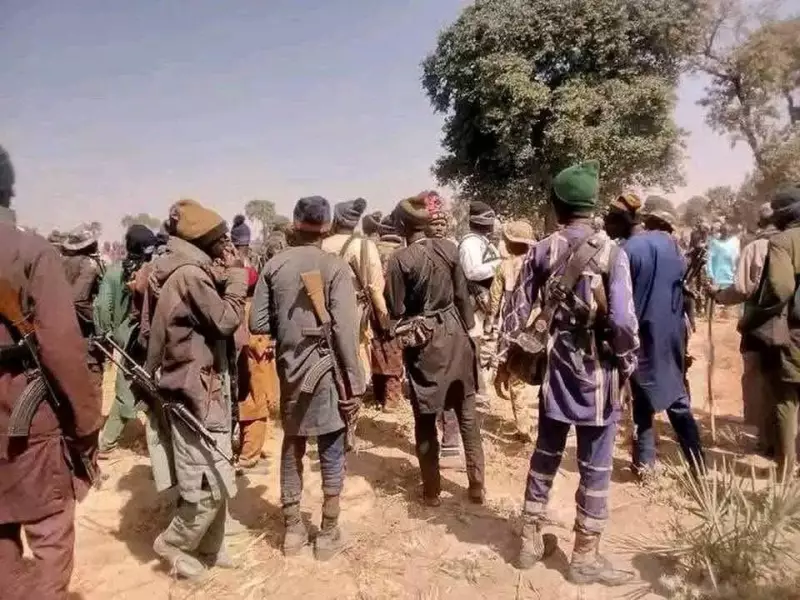
The Coalition of Northern Groups (CNG) has issued a strong condemnation of the Katsina State government's recent decision to secure the release of approximately 70 individuals suspected or convicted of banditry. The group firmly rejected the government's justification that the action was necessary to maintain fragile peace agreements with criminal elements.
A Dangerous Precedent for Justice
In a statement released on Tuesday, January 13, 2026, and made public the following day, the CNG warned that this approach fundamentally undermines the justice system, weakens overall security, and erodes the authority of the state. The coalition's National Coordinator, Jamilu Aliyu Charanchi, articulated the group's position, acknowledging the desperate need to end the violence plaguing Katsina and the wider North-West region.
However, Charanchi insisted that any peace established through appeasement and judicial compromise is neither sustainable nor morally just. "While we recognize the urgent imperative to halt the bloodshed, kidnappings, and wanton destruction," the statement read, "we cannot accept a peace built on the shaky foundation of letting perpetrators go free."
Flawed Comparison to Wartime Exchanges
The CNG specifically took issue with the Katsina State government's attempt to compare the bandits' release to standard prisoner exchanges conducted during formal wars. The coalition described this analogy as "deeply flawed, misleading, and dangerous."
Charanchi elaborated on this point, stating clearly: "The comparison drawn by the Katsina State government between the release of bandits and wartime prisoner exchanges is deeply flawed, misleading, and dangerous. Nigeria is not engaged in a conventional war with a recognised adversary bound by international rules of engagement."
Implications for Security and State Authority
The group's statement highlights a critical tension in the security strategy of several northern states: the choice between negotiated settlements with armed groups and robust law enforcement. The CNG argues that releasing detained bandits, whether merely suspected or already convicted, sends a perilous message.
This action, they contend, could potentially:
- Embolden criminal gangs by demonstrating a lack of lasting consequences.
- Demoralize security forces who risk their lives to make arrests.
- Erode public trust in the government's ability and will to protect its citizens.
The coalition's forceful rejection of this peace deal swap underscores the growing debate on how to effectively and permanently address the banditry crisis, with many stakeholders advocating for a strategy that does not sacrifice justice and the rule of law.