Failed Military Coup Plot Targets Nigeria's Top Leadership for Assassination
In a startling revelation that has sent shockwaves through Nigeria's political landscape, a detailed account has emerged of a failed military coup plot that specifically targeted the nation's highest-ranking officials for assassination. The plot, which was allegedly masterminded by Colonel Alhassan Ma'aji, aimed to violently overthrow the government on October 1, 2025, during what would have been Nigeria's Independence Day celebrations.
Presidential Security Concerns Lead to Celebration Cancellation
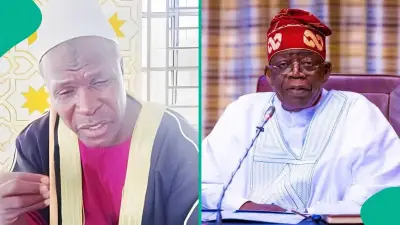
President Bola Tinubu's decision to cancel the 2025 Independence Day celebration has now been directly linked to intelligence about this imminent threat. The Nigerian military high command has officially acknowledged that certain top-ranking officers were actively planning to stage a coup against President Tinubu's administration. This admission comes after months of speculation and investigation into the security breach that threatened to truncate Nigeria's democratic process.
The cancellation of the national celebration was reportedly a precautionary measure taken by the presidency after receiving credible intelligence about the planned violent takeover. This development underscores the serious nature of the threat that was facing the nation's leadership at the time.
Comprehensive Assassination List Revealed
According to multiple government sources and investigative reports, the coup plotters had compiled an extensive list of high-profile targets marked for elimination. The primary assassination targets included:
- President Bola Tinubu
- Vice President Kashim Shettima
- Senate President Godswill Akpabio
- House of Representatives Speaker Tajudeen Abbas
Beyond these key political figures, the plotters also planned to eliminate Nigeria's Service Chiefs, various military commanders, and members of the Guards Brigade. The comprehensive nature of this assassination list demonstrates the plotters' intention to completely dismantle the existing power structure and create a leadership vacuum.
Strategic Takeover Plans and Key Locations
The failed coup involved meticulous planning to seize control of critical national infrastructure and strategic locations. Military officers had been specifically assigned to take full control of:
- The Presidential Villa in Abuja
- The Armed Forces of Nigeria Complex
- The Niger Barracks
- Nnamdi Azikiwe International Airport
This coordinated effort to capture these vital installations was designed to paralyze government operations and establish military control over key transportation and communication hubs throughout the capital region.
Profile of Alleged Mastermind Colonel Alhassan Ma'aji
Colonel Alhassan Ma'aji, identified as the alleged mastermind behind the coup plot, presents a concerning profile of a high-ranking military officer turning against the state. A Nupe native from Niger State, Ma'aji was born on March 1, 1976, and began his military training on August 18, 1995, completing it on September 15, 2000.
His military career included significant promotions and responsibilities, having been elevated to lieutenant colonel in 2013 before achieving full colonel rank. At the time of the alleged plot, he served as commanding officer of the 19 Battalion of the Nigerian Army based in Okitipupa, Ondo State.
Ma'aji's experience included participation in Operation Crocodile Smile II in 2017, a major military exercise aimed at addressing insecurity in the Niger Delta and southwestern regions. His service history also included assignments at the Nigerian Army Depot and as Commander of Operation Delta Safe, making him familiar with various aspects of national security operations.
Investigation and Arrests Precede Security Restructuring
The plot unraveled in October 2025 when the Defence Intelligence Agency arrested multiple high-ranking military officers ranging from captain to brigadier-general ranks. These arrests followed intensive surveillance and intelligence gathering that revealed the conspiracy to overthrow President Tinubu's administration.
A special investigative panel was subsequently established to probe the detained officers, with their findings submitted to President Tinubu on January 26. This thorough investigation has provided the detailed information now emerging about the scope and seriousness of the failed coup attempt.
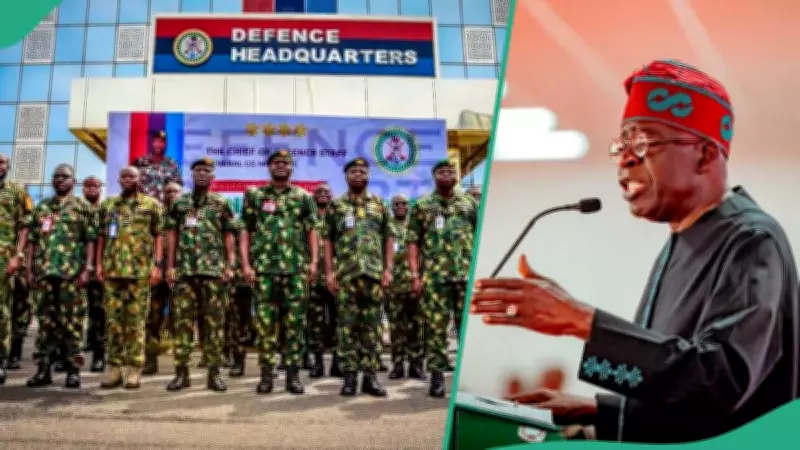
In response to these security threats, President Tinubu has undertaken significant restructuring of Nigeria's security architecture. This included the immediate replacement of all service chiefs as part of broader efforts to strengthen national security frameworks and prevent similar threats in the future.
The revelation of this detailed assassination plot against Nigeria's top leadership highlights ongoing security challenges facing the nation's democratic institutions. As investigations continue and security measures are enhanced, this episode serves as a stark reminder of the constant vigilance required to protect Nigeria's democratic governance and constitutional order.