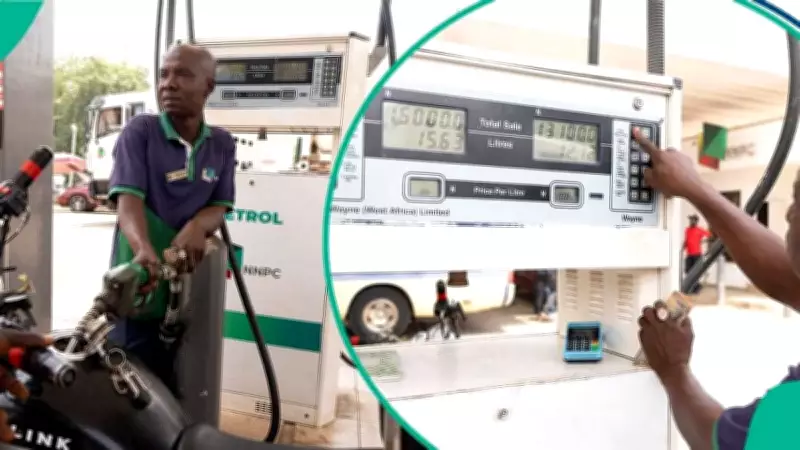
Fresh figures from Nigeria's downstream oil sector have revealed a sharp decline in the landing cost of imported Premium Motor Spirit (PMS), commonly known as petrol, raising hopes of a possible reduction in pump prices across the country.
The latest market data released by the Major Energies Marketers Association of Nigeria (MEMAN) indicates that the cost of importing petrol has dropped significantly, with landing costs now ranging between N774 and N800 per litre. The development follows a recent decline in global crude oil prices and favourable foreign exchange movements.
Imported Petrol Becomes Cheaper
According to MEMAN's latest energy market bulletin, the landing cost of imported petrol has steadily declined in recent weeks. Industry analysts attribute the reduction to softer crude oil prices in the international market and improved exchange rate stability, both of which directly influence the cost of importing refined petroleum products into Nigeria.
The new figures suggest that marketers can now bring petrol into the country at significantly lower costs compared to previous months when landing costs exceeded N900 per litre. The development has intensified discussions within the downstream sector over whether consumers should expect a corresponding reduction in retail pump prices.
Why Pump Prices Remain High
Despite the decline in landing costs, petrol is still selling between N915 and over N1,000 per litre in Lagos, Abuja and several other parts of the country. Experts say the difference between landing costs and pump prices is largely driven by logistics expenses, transportation charges, depot margins, storage costs and other operational expenses incurred before the product reaches consumers.
Marketers also point to persistent uncertainties in the market, including exchange rate fluctuations and supply chain costs, as reasons for maintaining current retail prices. As a result, motorists and businesses hoping for immediate relief may have to wait longer before the lower import costs translate into cheaper fuel at filling stations.
Dangote Refinery Adjusts Strategy
The latest decline in petrol import costs comes at a time when the 650,000-barrel-per-day Dangote Refinery continues to reposition itself in Nigeria's fuel market. The refinery has repeatedly adjusted its ex-depot, or gantry, prices in recent months in response to changes in international market conditions and competition from imported products.
Industry observers say the refinery's pricing decisions are increasingly influenced by movements in imported fuel costs, as marketers compare local supply prices with imported alternatives before making purchasing decisions.
Legal Battle Over Fuel Imports Intensifies
The development also comes amid an ongoing legal battle involving the Dangote Refinery and fuel importation into Nigeria. The refinery recently renewed its opposition to the continued issuance of import licences for petrol and other refined petroleum products, arguing that local refining capacity should be prioritised where sufficient domestic supply exists.
The case has attracted significant attention across the oil and gas industry, with stakeholders divided over whether fuel imports should continue alongside growing local refining capacity. Supporters of the refinery argue that reducing dependence on imports would strengthen Nigeria's energy security, conserve foreign exchange and support local investments. Others insist that maintaining imports encourages competition and helps prevent supply shortages.
What Consumers Should Expect
With imported petrol landing costs now falling below N800 per litre, pressure is mounting on marketers and fuel retailers to review pump prices. Whether Nigerians eventually benefit from lower prices will depend on several factors, including crude oil trends, exchange rate stability, distribution costs and the outcome of ongoing market competition between imported fuel suppliers and local refiners. For now, motorists are watching closely as the battle between cheaper imports and local refining shapes the next chapter of Nigeria's fuel market.
Relief as fuel prices crash at private depots. Legit.ng earlier reported that private depot owners are lowering fuel prices despite international crude oil prices remaining high, sparking renewed competition in the downstream petroleum market. Brent crude and West Texas Intermediate (WTI) are trading at between $102 and $107 per barrel, placing upward pressure on refined product prices globally and influencing the movement of petrol and diesel in Nigeria despite an improved supply outlook domestically. Despite available local refining capacity due to the Dangote Refinery becoming operational, Nigerian depot prices continue to incorporate a mix of global crude oil trends and domestic supply conditions.