
Rising Wealth Inequality Threatens Nigeria Economy
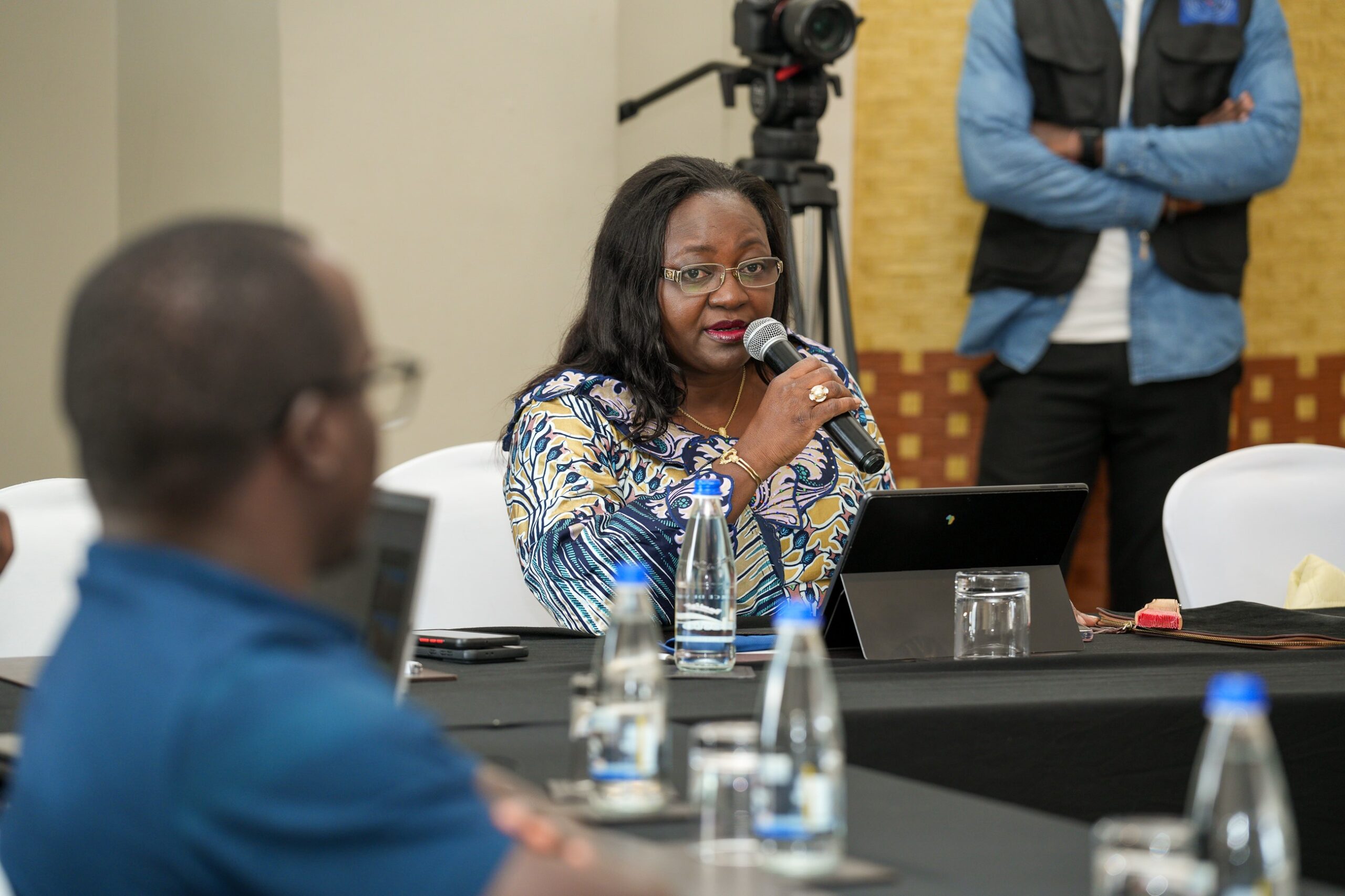
Nigeria's top 1% now controls 44% of total wealth, up from 25% two decades ago, warns economist Doyin Salami. This rising inequality undermines economic growth and social stability.

Nigeria's top 1% now controls 44% of total wealth, up from 25% two decades ago, warns economist Doyin Salami. This rising inequality undermines economic growth and social stability.
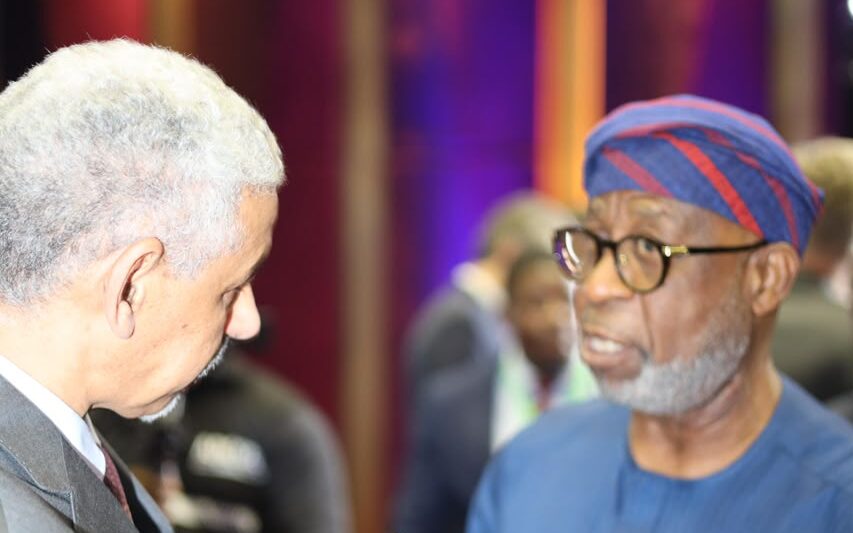
Nigeria and the African Development Bank urge African nations to prioritize local processing and regional collaboration to control critical mineral resources, aiming for sustainable economic growth.
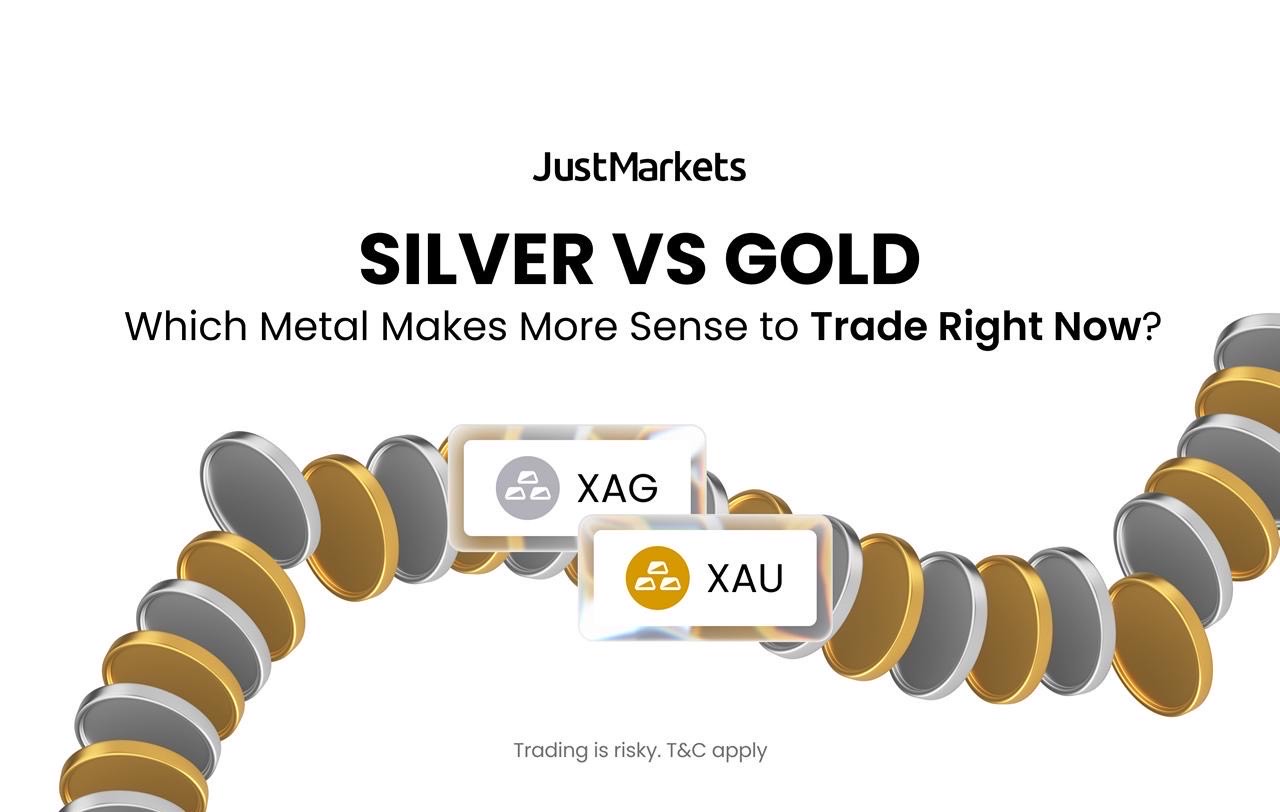
This article analyzes key differences between gold and silver CFDs, including safe-haven vs industrial demand, volatility, liquidity, and trading strategies for both assets.
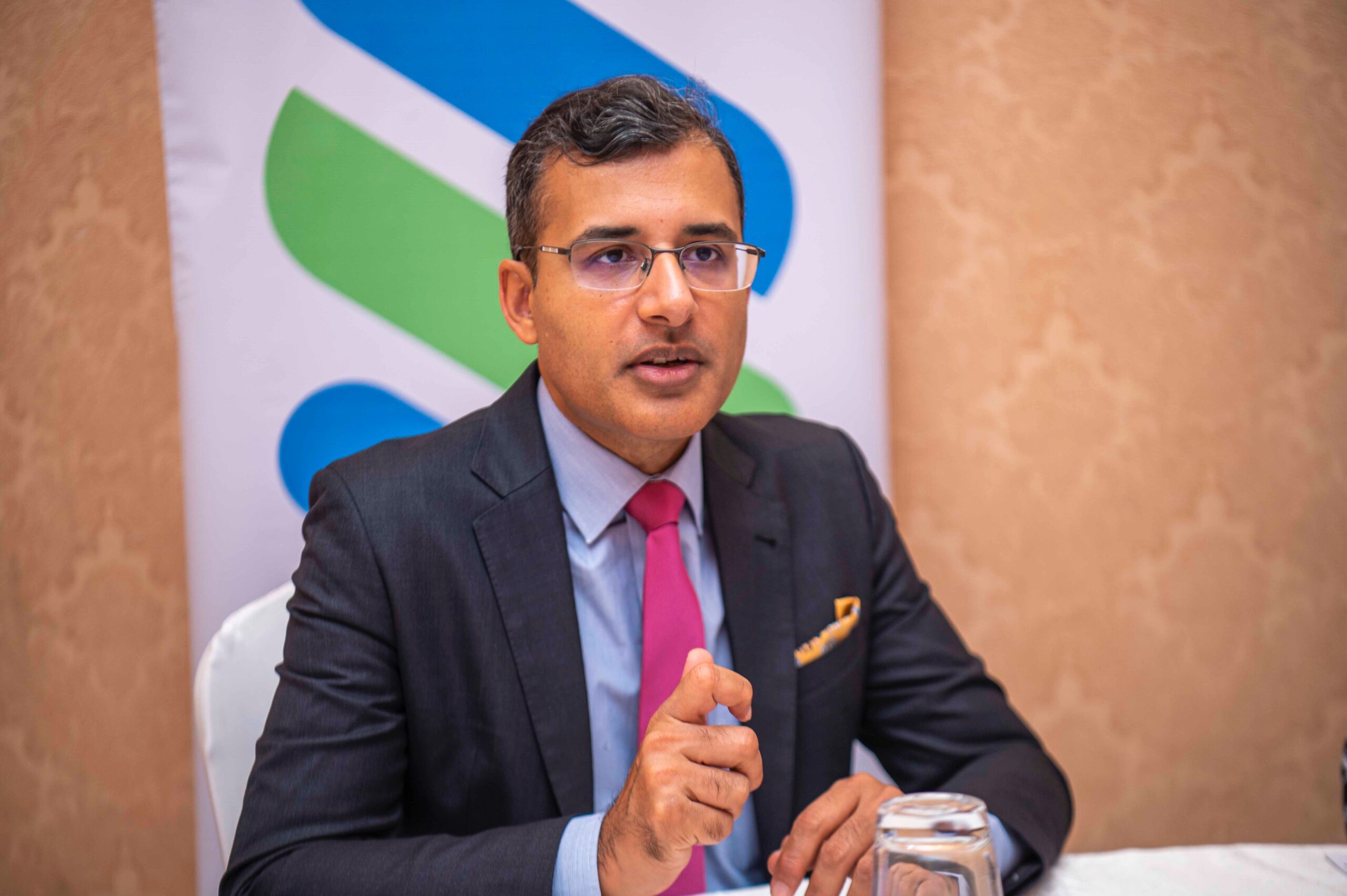
Despite geopolitical tensions and oil price spikes, global equities gained 10% in H1 2026. Manpreet Gill urges discipline, favours US/Asia equities, African Eurobonds, and gold for H2.
S&P Global agreed to acquire a majority stake in Pan-African rating agency Agusto & Co., aiming to expand credit ratings across Africa. The deal is expected to close in H2 2026.
Sending $200 to another African country costs up to 7.9%, far above the UN's 3% target. Despite 36 instant payment systems, fragmentation and dollar reliance hinder progress.
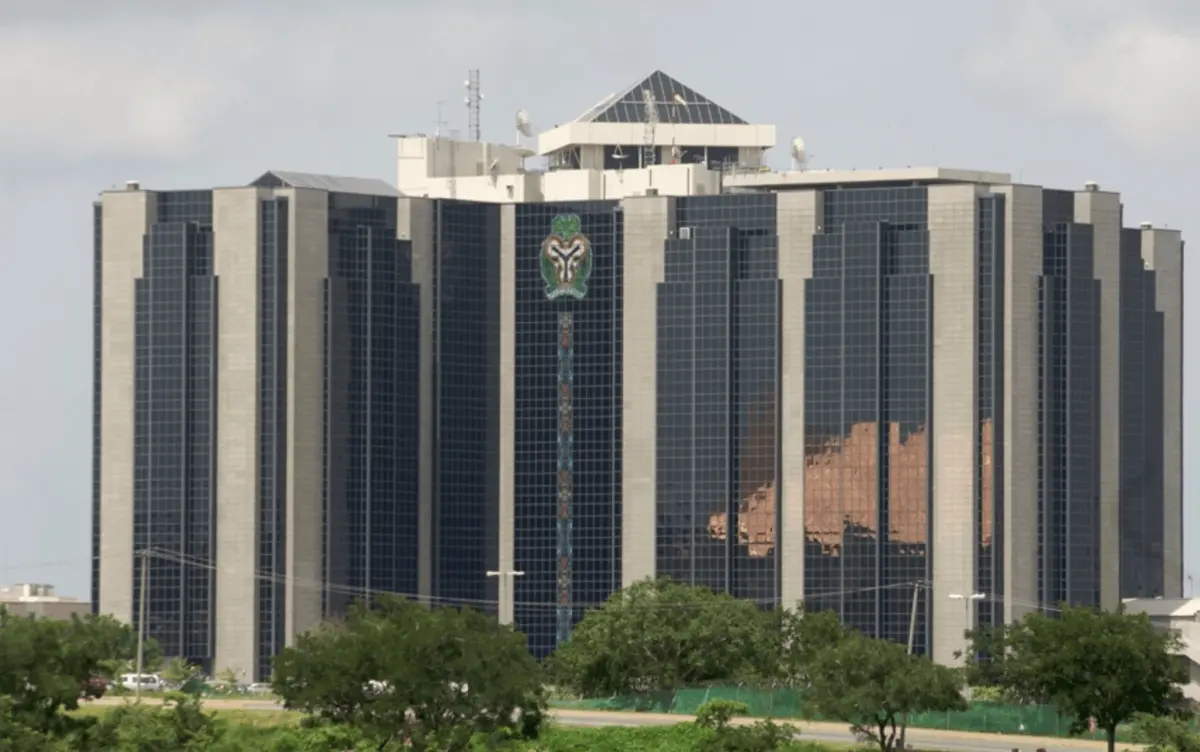
Nigeria's foreign exchange inflows surged to $109.9 billion in 2025, with autonomous sources accounting for 86%, according to the Central Bank of Nigeria.
The World Health Organization reports 1.2 million people contracted HIV in 2025, highlighting ongoing challenges despite global treatment and prevention gains.
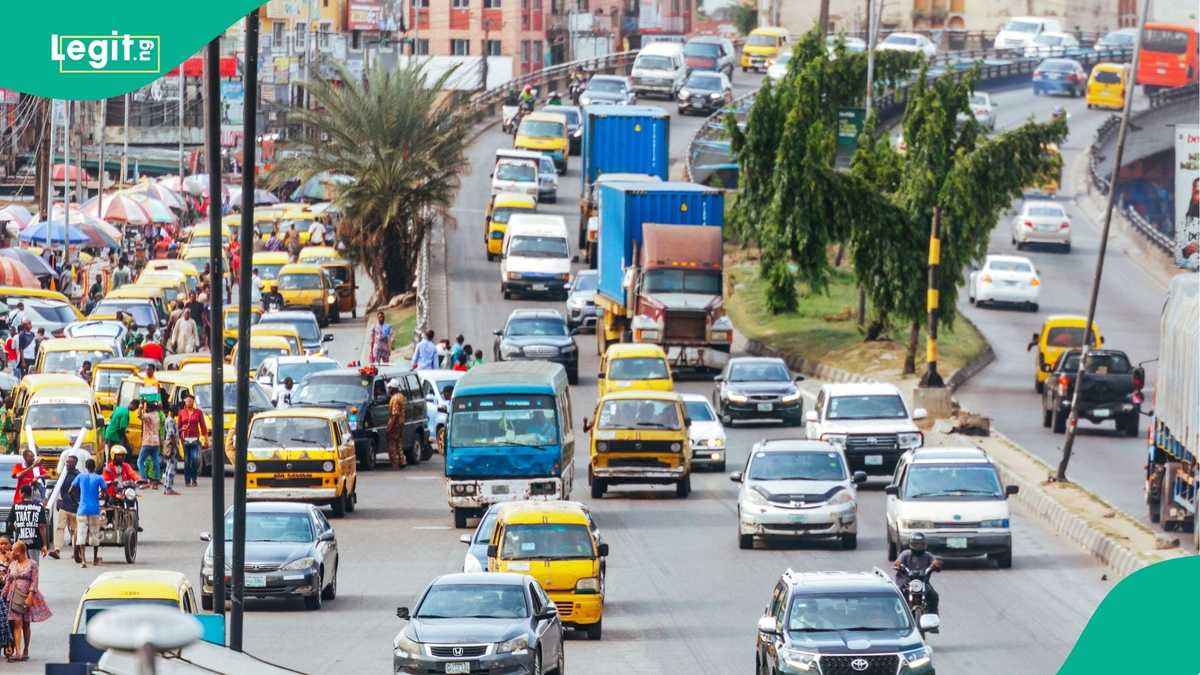
In 1975, Nigeria had three car assembly plants in Lagos and Kaduna, but only 175,000 vehicles for 66 million people—one car per 574 residents—revealing early industrial ambitions amid heavy import dependence.
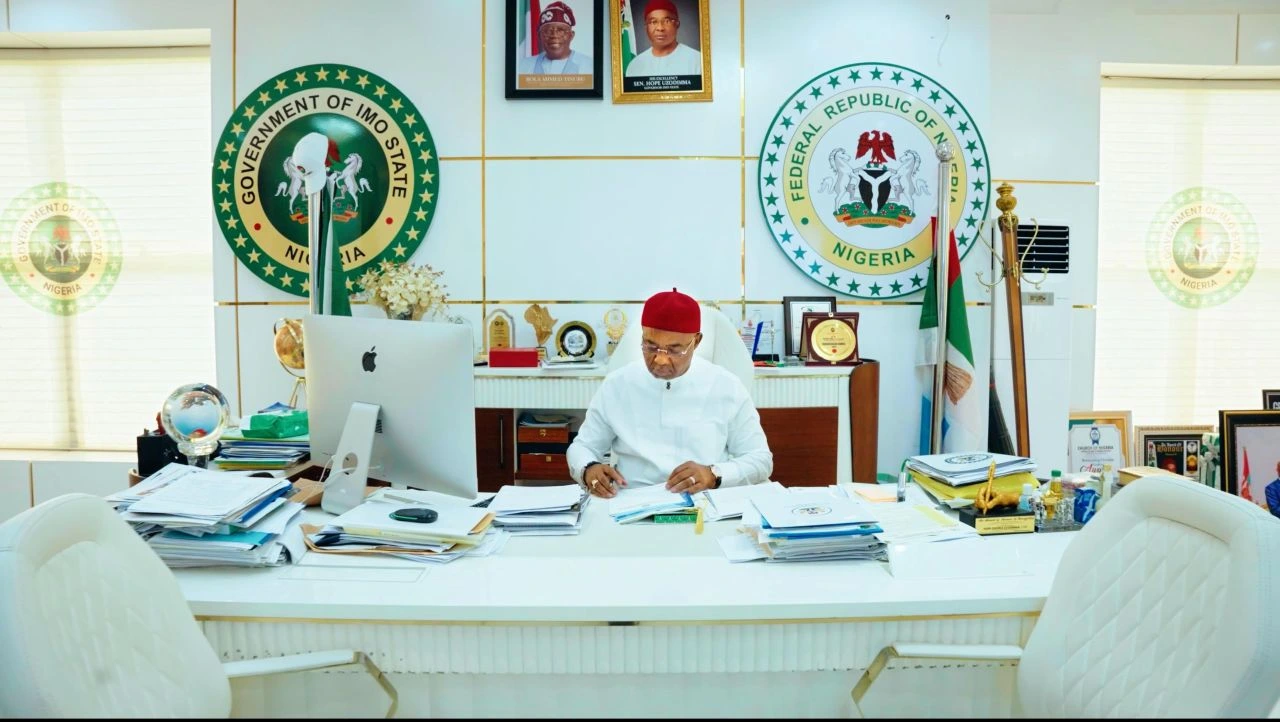
Imo State launches an aggressive investment campaign, offering tax breaks, land access, and security guarantees to attract local and foreign investors, aiming to transform its economy.
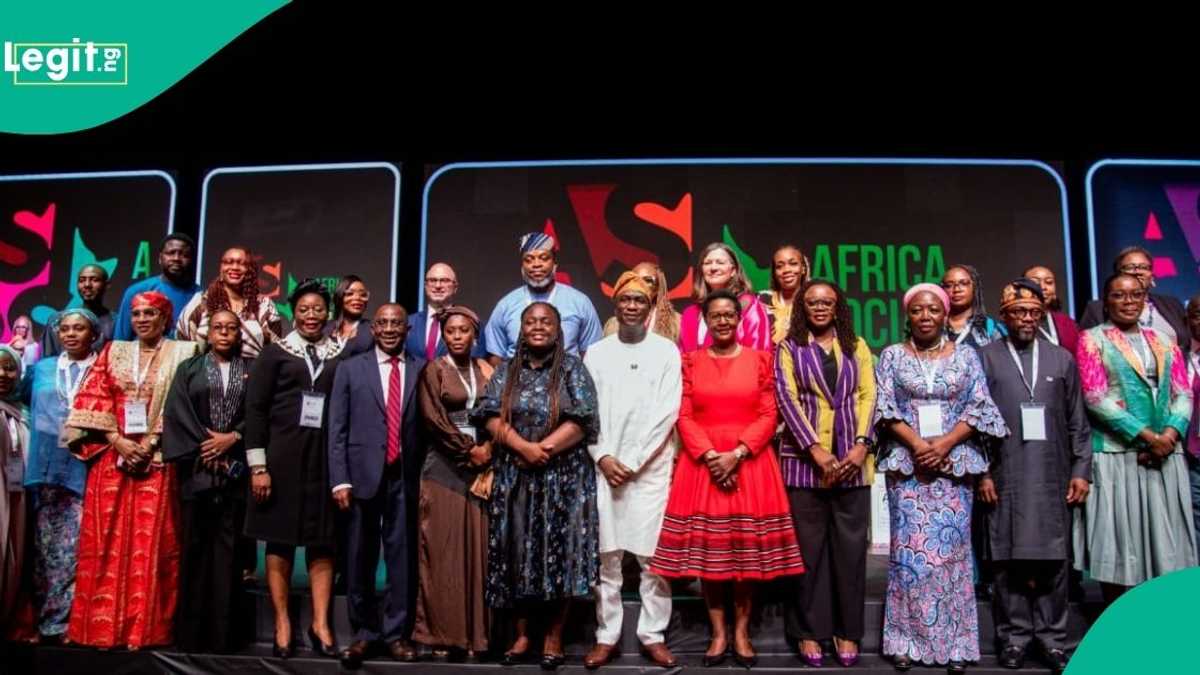
The Africa Social Impact Summit 2026 concluded with renewed commitments, innovative financing, and a $500 million investment target to drive sustainable development across the continent.

Comercio Partners' latest report analyzes a decade of money market trends and living costs in Nigeria, highlighting inflation, interest rates, and household spending patterns.
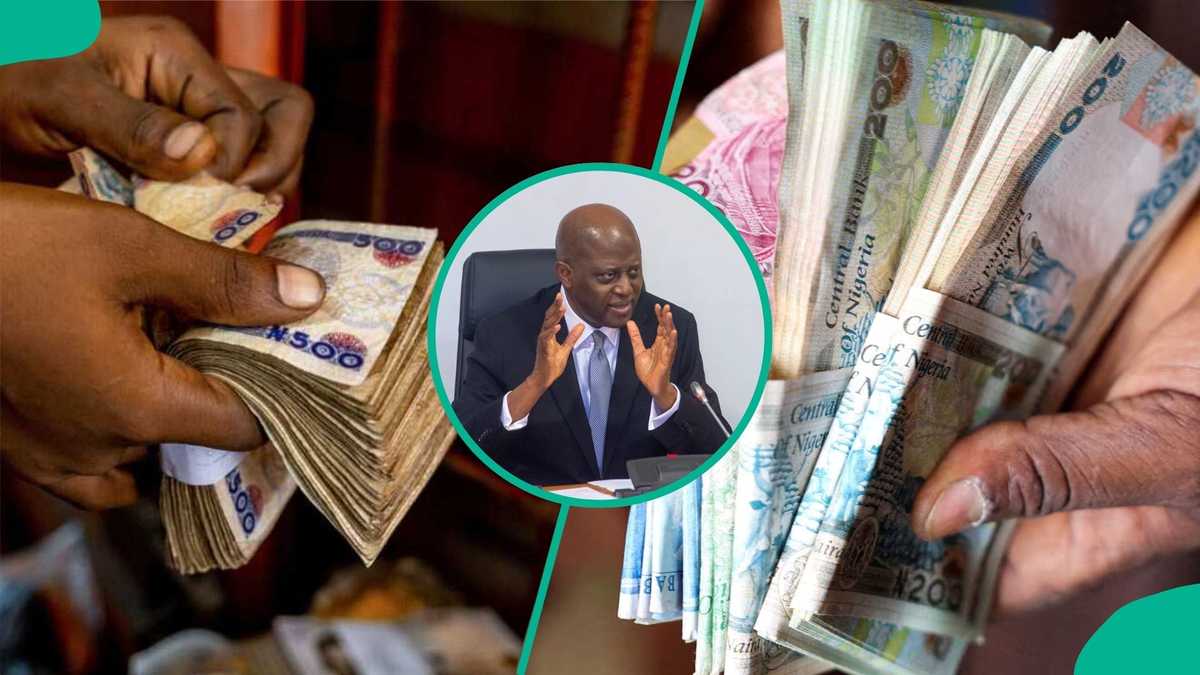
Nigeria's broad money supply rose to N133.25 trillion in June 2026, up N4.04 trillion from May, signaling continued liquidity growth even as the CBN held its policy rate at 26.5%.

Nigerian naira closed at N1,362/$ at official market after CBN interventions, with FX inflows hitting $1.01 billion and reserves at $52.03 billion.
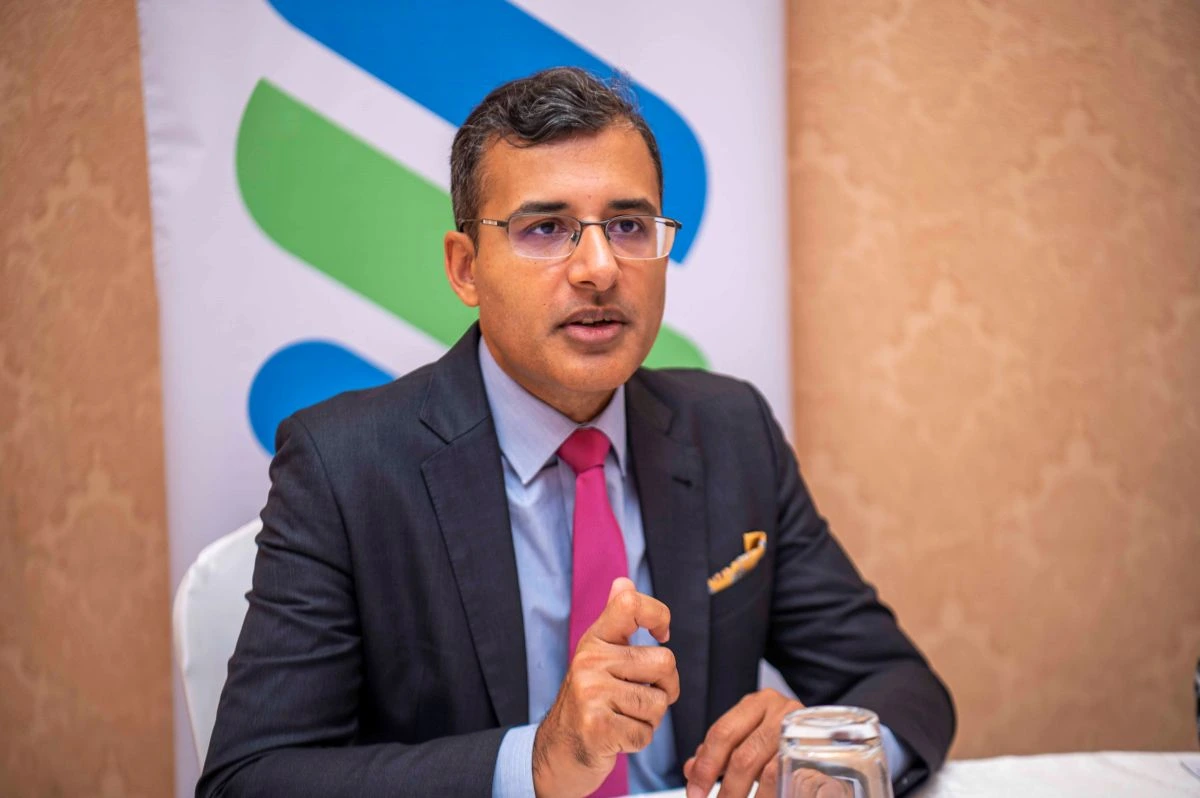
Manpreet Gill explains why a weakening US dollar in the second half of 2026 will significantly benefit emerging markets through lower debt costs and higher commodity prices.
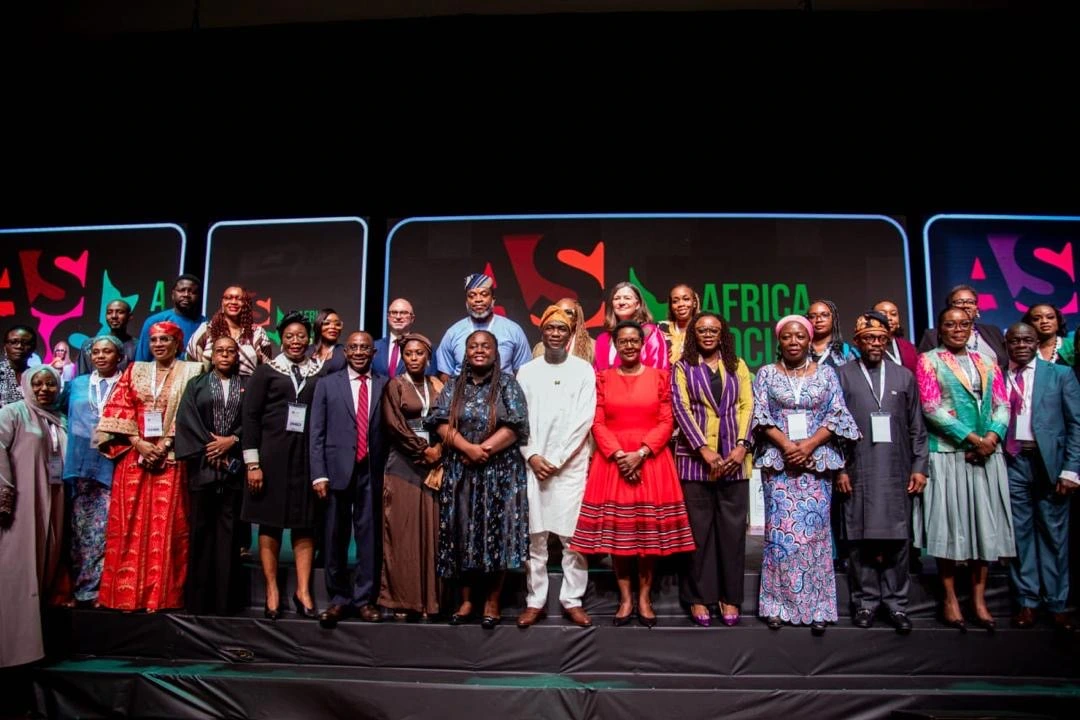
ASIS 2026 in Nairobi secured $15 billion in financing commitments for renewable energy, agriculture, and infrastructure across Africa, with 30 countries participating.
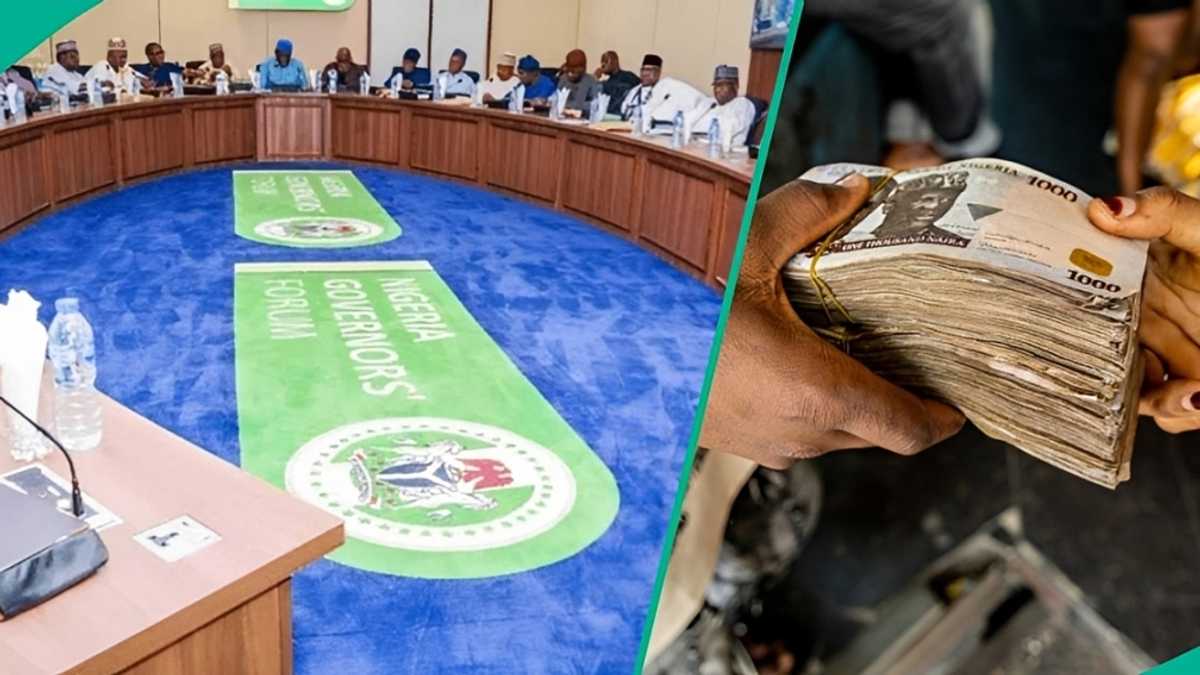
Lagos recorded the highest IGR per capita in Nigeria at N74,987, nearly 29 times more than last-placed Kebbi at N2,597, according to the Statisense State Performance Index 2026.

Nigeria's banking system closed with N3.78 trillion surplus, sustaining strong investor appetite for government securities after CBN held benchmark rate steady.
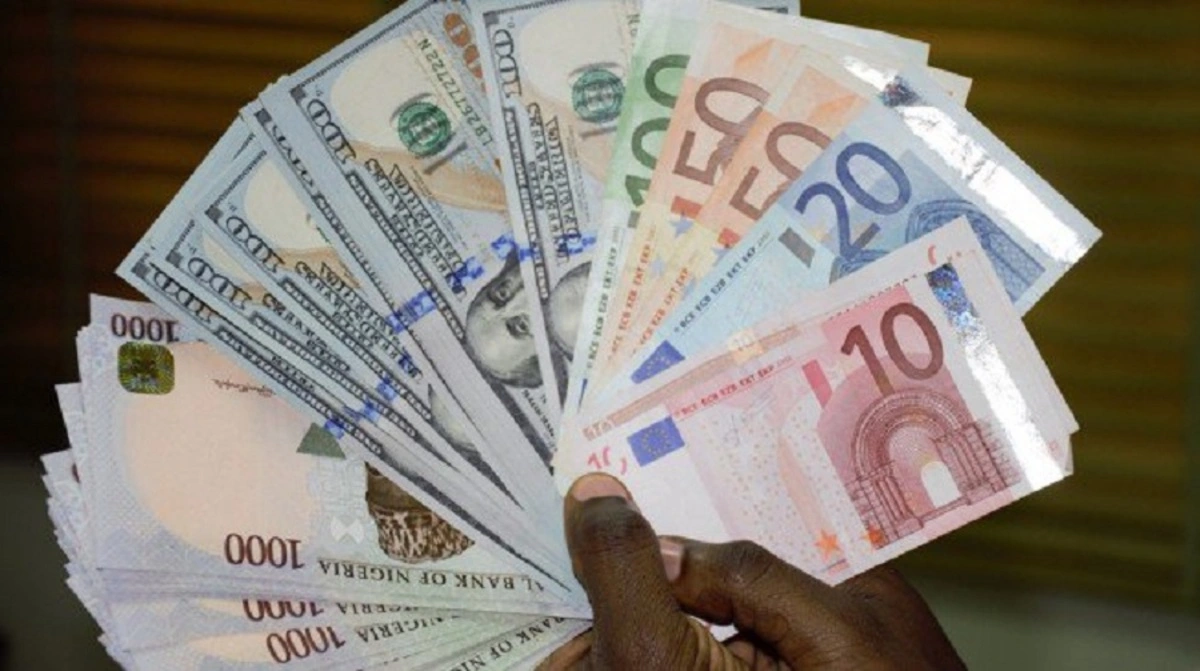
The Nigerian naira staged a sharp recovery against the British pound, settling at N1,814 in the official market, marking a significant gain amid increased dollar supply.
The Federal Mortgage Bank of Nigeria (FMBN) will launch its Diaspora National Housing Fund (NHF) mortgage loan on August 7, 2026, enabling Nigerians abroad to access housing finance.

The Federal Government has launched a ₦50,000 grant scheme for one million nano businesses, targeting traders, vulcanisers, and artisans with no repayment obligation.
)
NLC declares ₦70,000 minimum wage a poverty wage, demands negotiations for a living wage as cost of living soars. Labour also criticises workers' rights violations and delayed Labour Bills.

Canada has launched a campaign inviting skilled professionals, including Nigerians, to apply for jobs in sectors facing labor shortages, such as STEM, healthcare, and skilled trades.
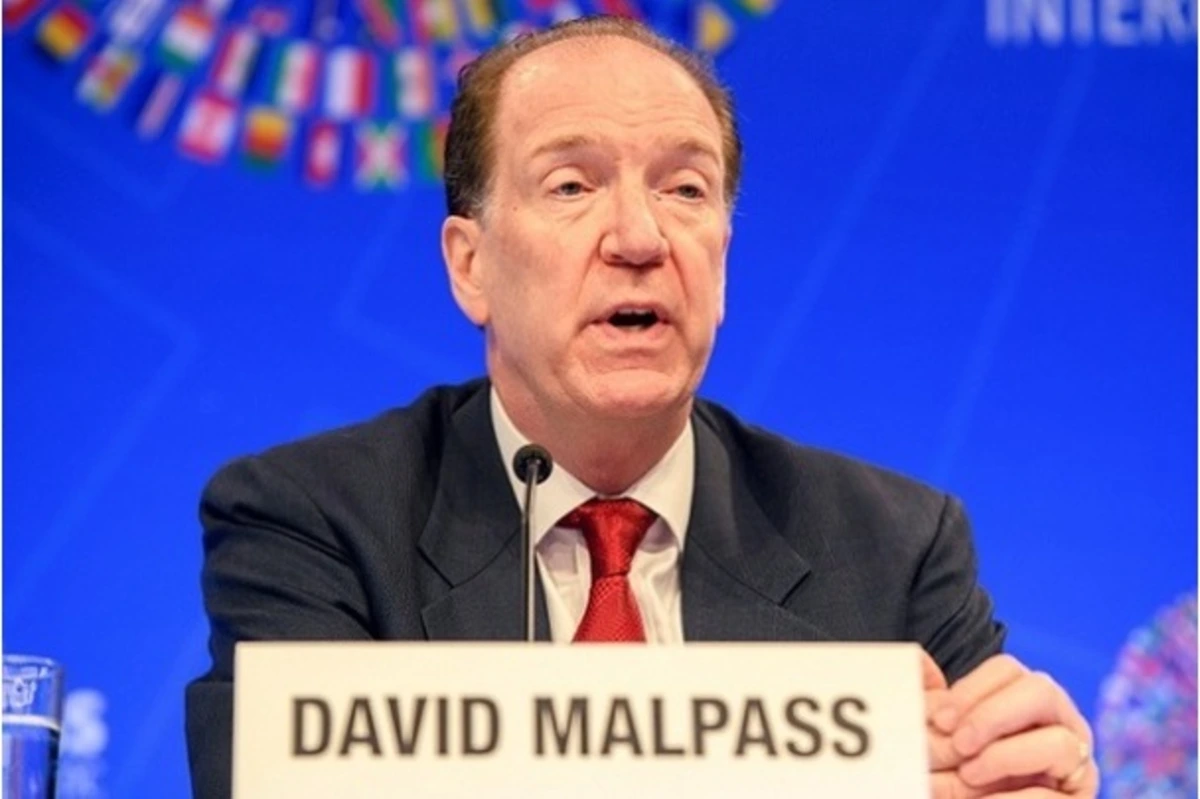
A former World Bank president warns that Nigeria's lack of transparency in debt agreements could lead to severe economic consequences, urging immediate reforms.
FCMB Group announced a 99% increase in profit before tax to ₦157.3 billion for the first half of 2026, sustaining strong performance and highlighting robust operational efficiency.
Nigerian equities fell 0.05% on Wednesday as profit-taking continued in large-cap stocks, dragging the NGX All-Share Index down to 66,432.15 points.

Germany has released an official list of five professions urgently needing skilled foreign workers in 2026, including physicians, engineers, IT specialists, scientists, and craftspeople.

The Nigerian stock market extended its losing streak on Monday, with investors losing N76.56 billion as profit-taking dragged the benchmark index lower, driven by selling pressure in banking, insurance, and consumer goods stocks.

Over 76,000 tech workers lost jobs in 2026 from the top 10 layoffs, led by major firms. The cuts hit cloud, hardware, and AI teams hardest, with some sectors seeing double-digit reductions.
Nigeria's FX market hit a record $4.4 billion in transactions, sparking speculation over mystery deals and raising questions about CBN policies.