
Global Summits on Africa: Driving Investment and Trade
Global business summits focused on Africa are multiplying as the continent gains strategic importance, offering platforms for investment, trade, and policy dialogue.

Global business summits focused on Africa are multiplying as the continent gains strategic importance, offering platforms for investment, trade, and policy dialogue.

Nigeria needs 20 million homes, but building them could power a $1 trillion economy through industrialization, jobs, and wealth creation. MREIF leads the way.

Elon Musk's birth comparison shows Nigeria's rising population could be a demographic dividend or burden, hinging on health, education and jobs for children.

MRS and AA Rano reduce petrol prices in Abuja by N40 and N30 per litre respectively, as depots align with Dangote Refinery despite rising crude oil prices.

Minister Taiwo Oyedele says Nigeria spent fuel and forex subsidy savings on debt servicing, minimum wage, and student loans, not a reserve account.
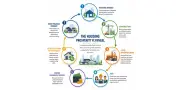
Nigeria's housing strategy will determine its path to a $1 trillion economy. Prioritizing construction and policy reforms could unlock growth, jobs, and investment.

Canada has tightened its C20 work permit exemption, now requiring foreign nationals, including Nigerians, to be already employed abroad before relocating.

The new N70,000 minimum wage in Nigeria falls short of the real cost of living, as inflation erodes purchasing power and workers struggle to cope.

Zamfara Governor Dauda Lawal plans to revive textile mills, cotton ginneries and oil mills to create thousands of jobs after touring Benin's Glo-Djigbé Industrial Zone.

The IMF has cautioned that heavy government borrowing is eroding the value of household savings through financial repression, urging policy makers to address rising debt levels.
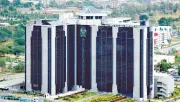
The Central Bank of Nigeria mopped up N7.2 trillion in July, but insiders say a subtle shift in its operational playbook signals a new approach to liquidity management.

FCCPC warns Lagos businesses over price displays, labelling, and refunds at a July 29 stakeholder meeting, demanding transparency to protect consumers and fair competition.
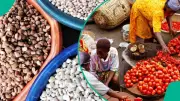
Healthy eating in Nigeria costs 11.7% more in Q1 2026, hitting N1,541 daily; in Ekiti, a single person's diet consumes 89.6% of the minimum wage, BudgIT says.

Africa's exports surged 14%, making the continent the world's second-fastest growing export region behind Asia, according to the latest global trade data.
Seplat Energy's pre-tax profit rose 74% to N790 billion in H1 2026, driven by higher production and oil prices. The company declared a quarterly dividend of US$0.12 per share, a record.
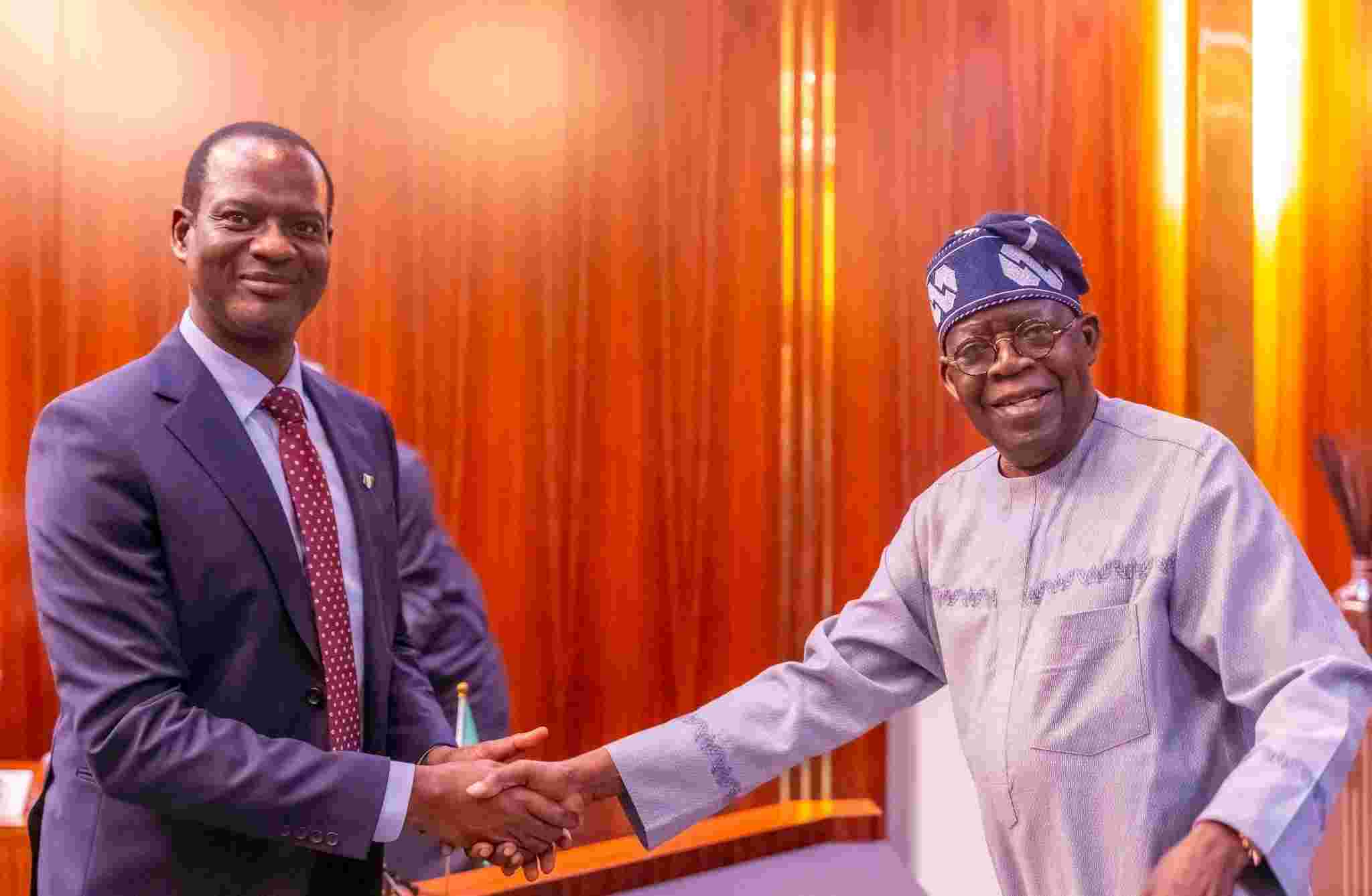
Taiwo Oyedele details subsidy savings used for debt servicing, salary increases, and student loans; promises transparency in a few days.
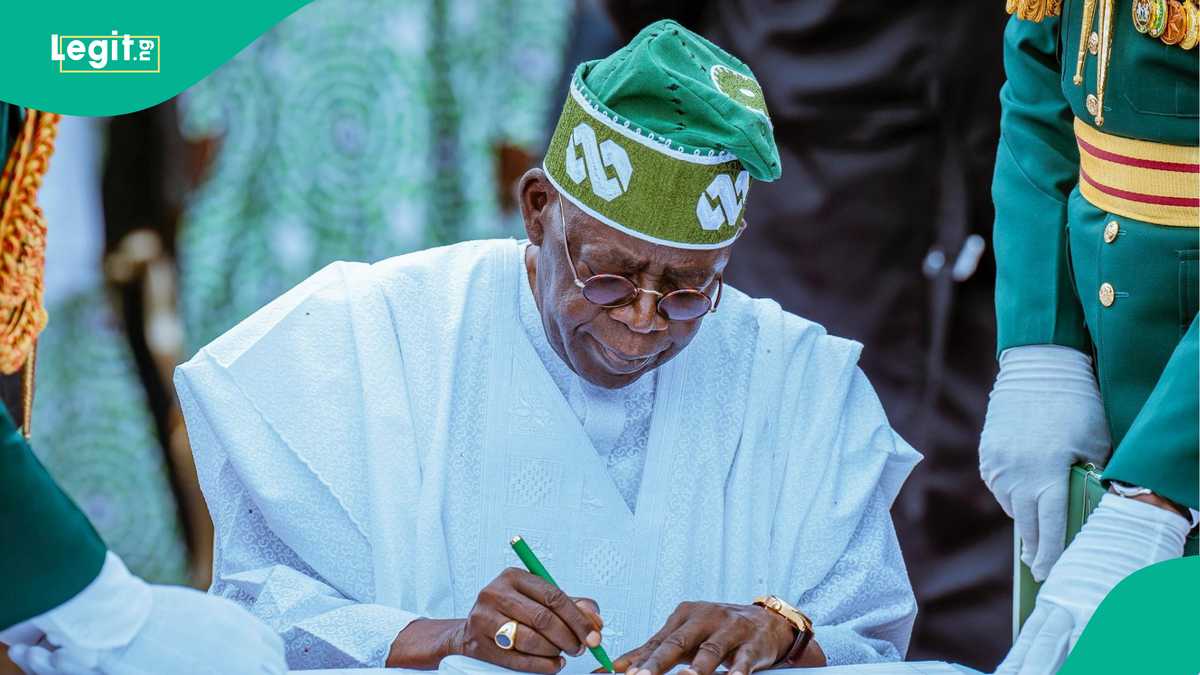
Nigeria's subsidy savings went to debt costs, minimum wage, and social programmes like NELFUND, Finance Minister Taiwo Oyedele revealed at an Abuja forum, promising a detailed public breakdown soon.
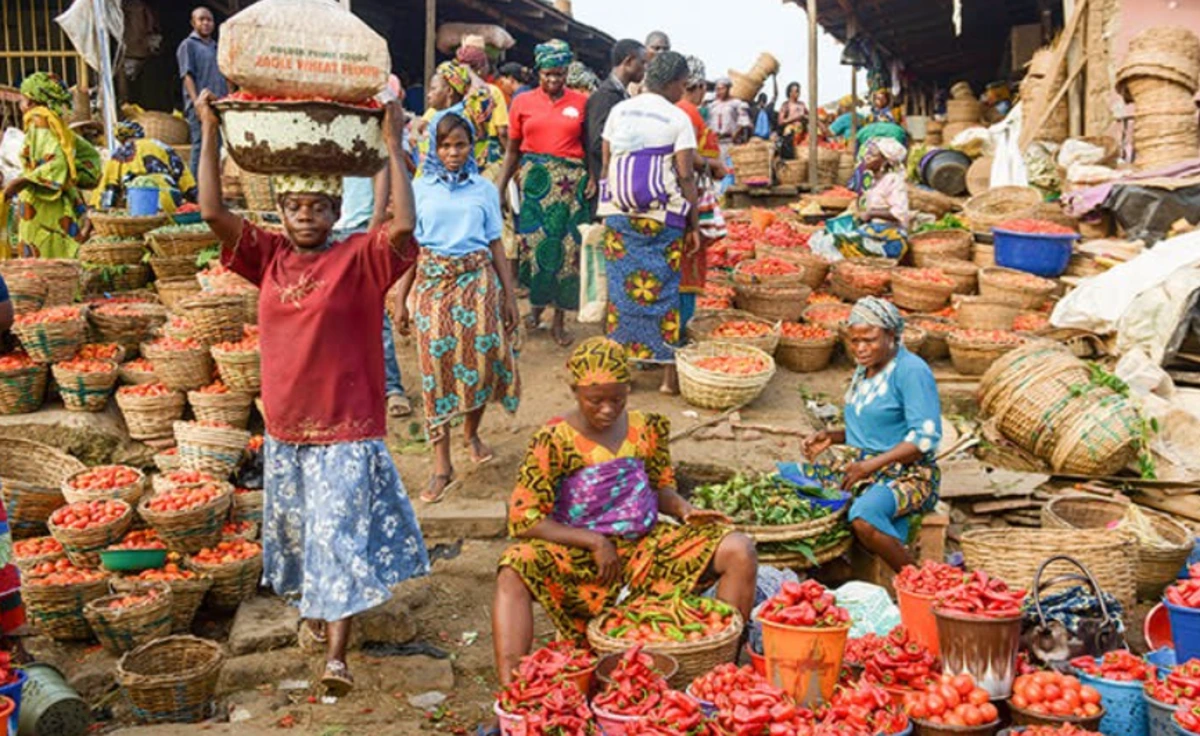
A new survey reveals that African youths now rank food and fuel prices as their primary worry, surpassing political instability and security threats, signaling a shift in priorities.

Nigeria's three largest cement producers – Dangote, BUA, HBM – reported strong H1 2026 results with higher sales volumes, improved efficiency, and FX stability driving profit gains.
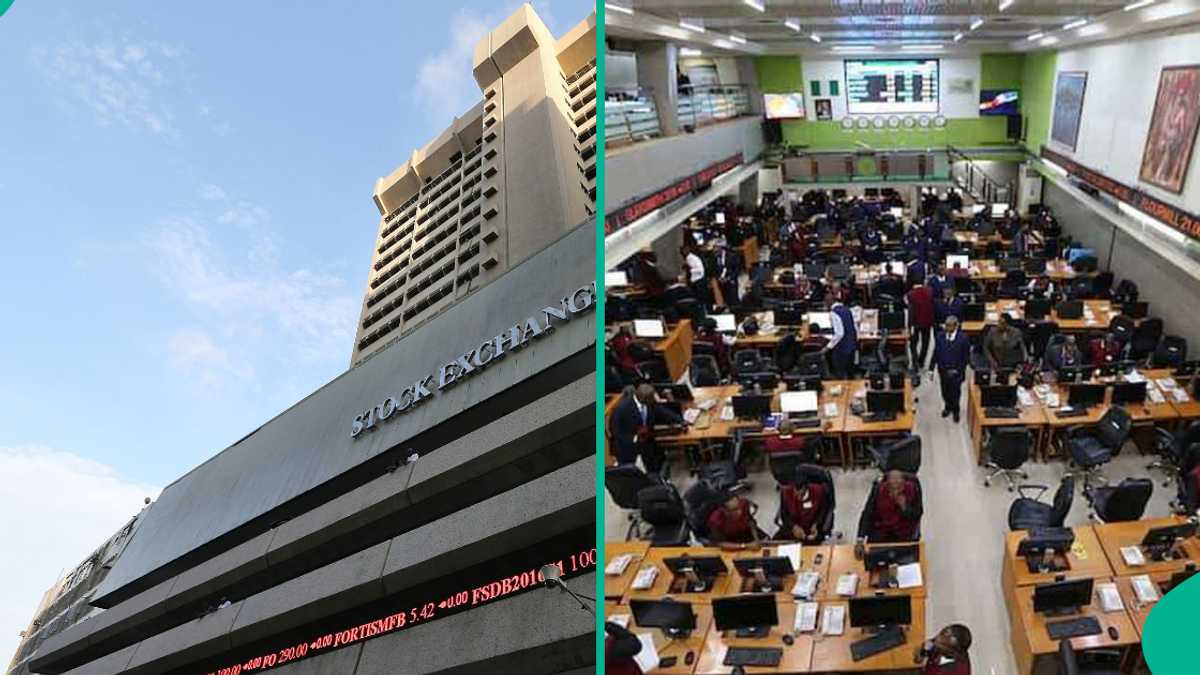
Nigerian stocks fell 0.41% as the All-Share Index dropped to 246,980.17 points, wiping N648 billion off investors' wealth on Wednesday amid profit-taking.

Lagos-based grocery delivery startup GoLemon closes after failing to raise funding; 20% of employees already placed in new roles, support available until August 2.

Ethiopia now requires $10 million for a 10-year residence permit, making it the world's priciest golden visa programme, according to Henley & Partners data analysed by BusinessDay.
Nigerian equities lost N648 billion in mid-week trading, driven by sell-offs in TIP and NREIT stocks, as the market capitalization fell to N56.2 trillion.

The UK government confirmed that in 2026, unemployed people under 25 can receive up to £75.65 per week via New Style JSA, while those 25 and over get up to £95.55 per week.
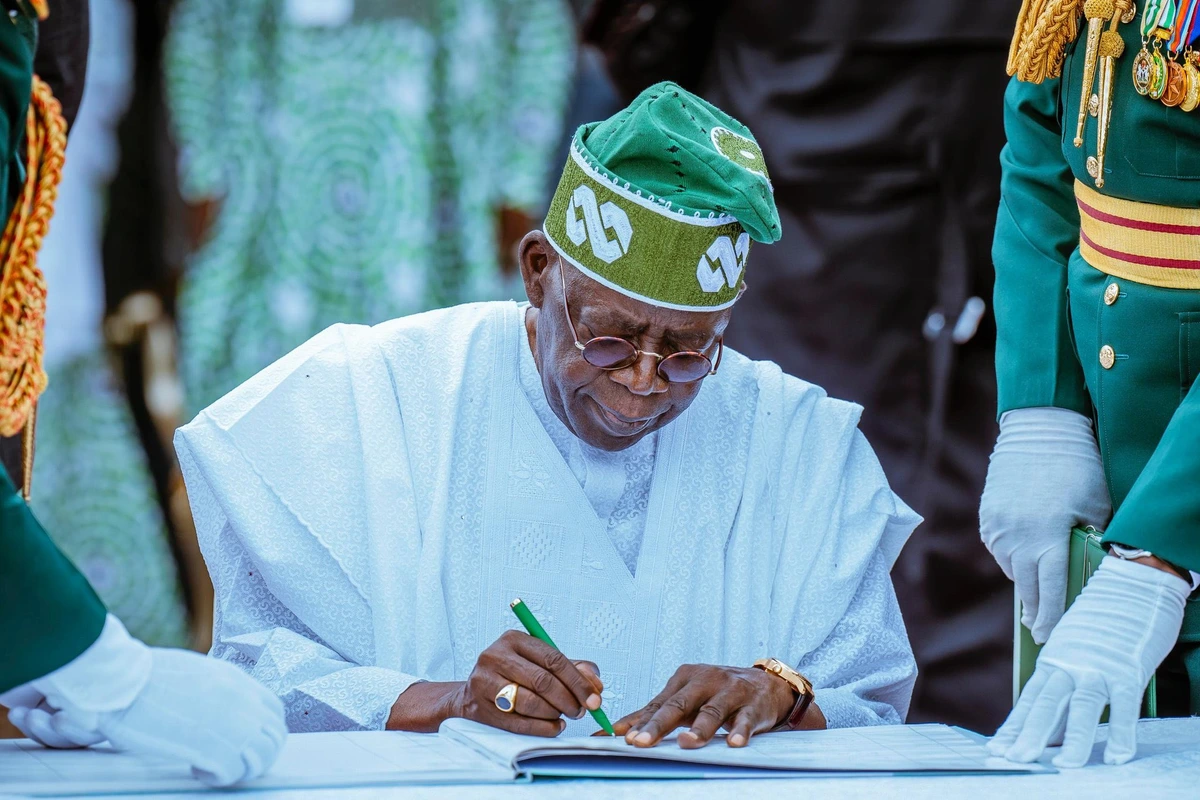
Nigeria's ambitious $1 trillion GDP target by 2030 requires 7% annual growth, driven by oil, services, and agriculture. Businesses face challenges in infrastructure and policy consistency.

Nigeria holds 4th place with 7,200 dollar millionaires, but a 47% drop since 2015 marks one of Africa's steepest declines, per the 2025 Africa Wealth Report.
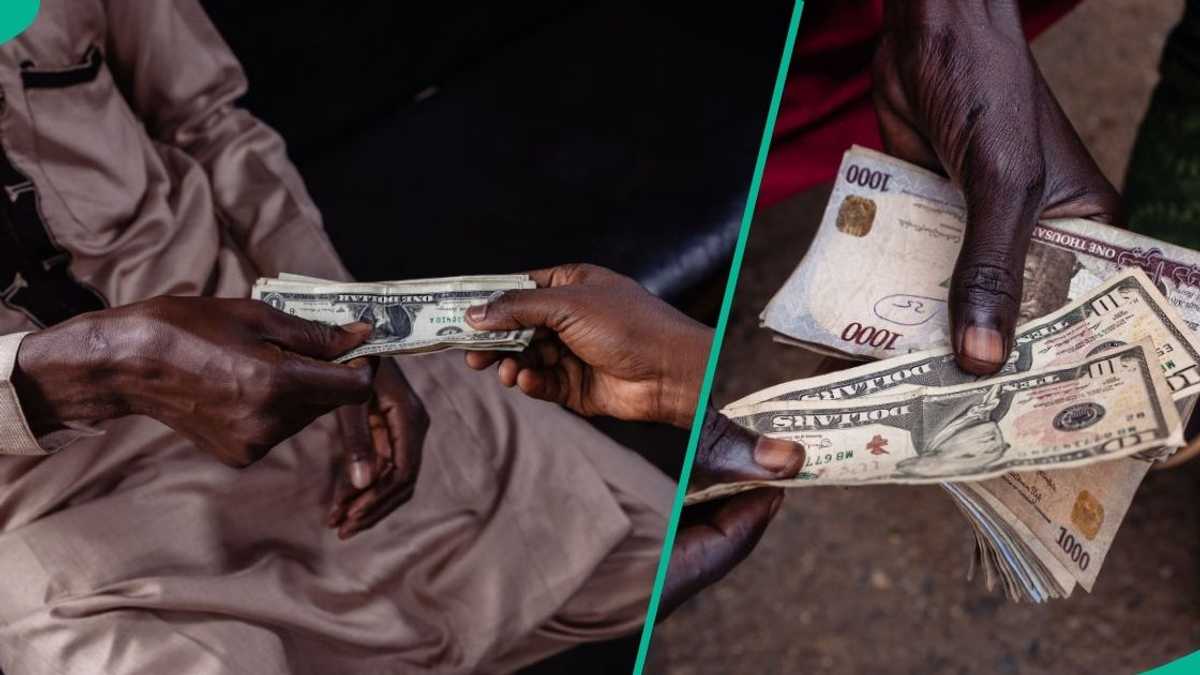
Naira weakened against dollar, pound, euro on July 28, closing at N1,365.53/$ as FX turnover surged 160% to $102.95 million, while external reserves declined.
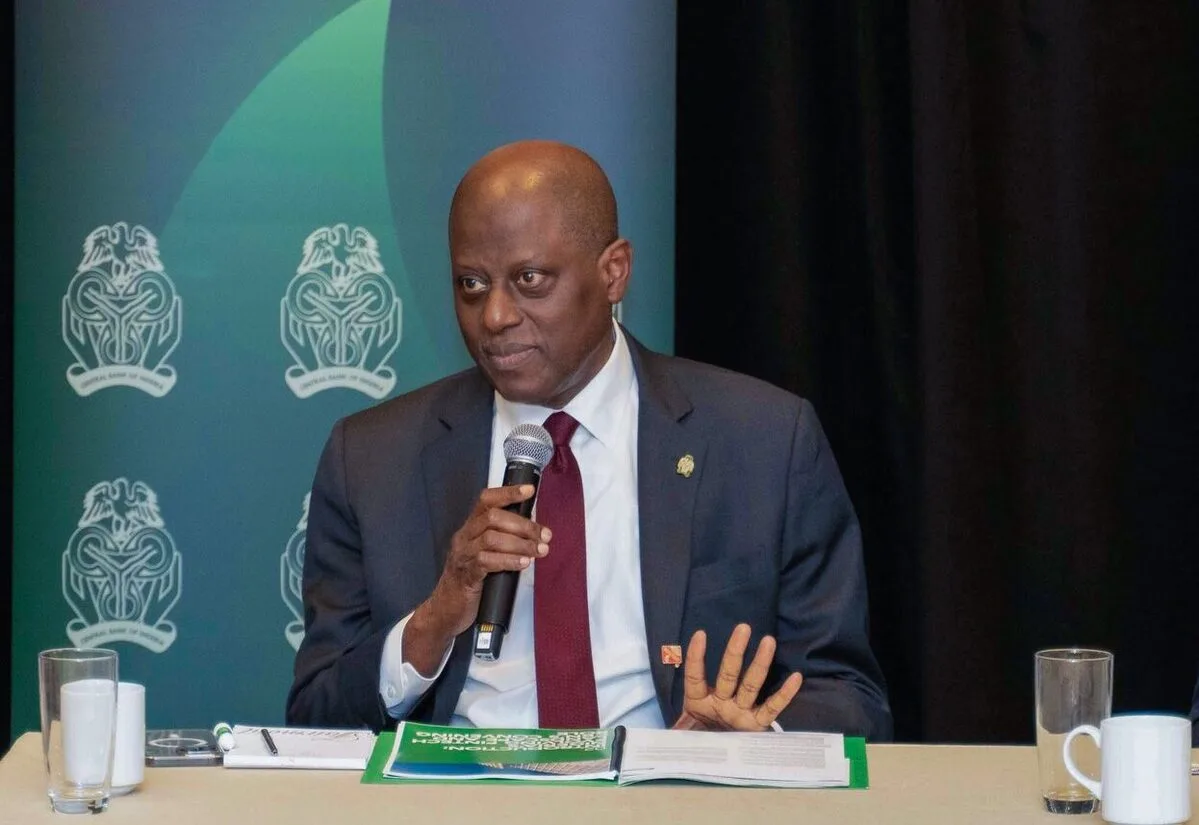
Nigeria's consumer credit fell to N3.8 trillion in 2026, the first decline in six years, as high interest rates and economic pressures curbed borrowing.
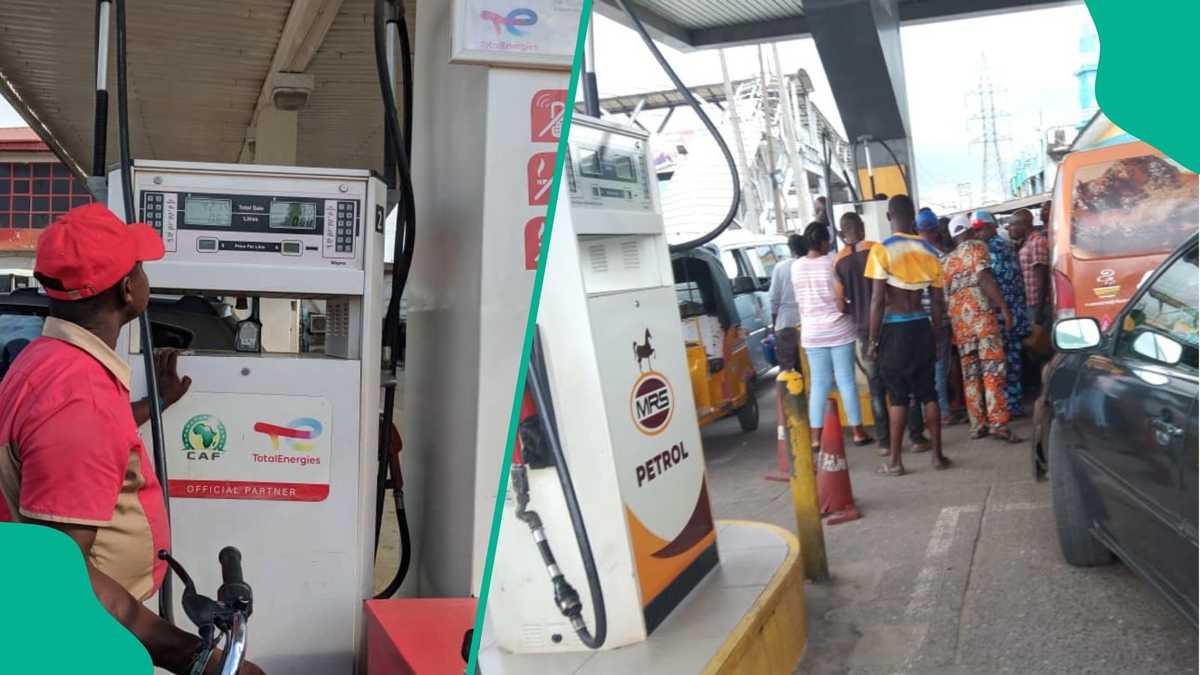
Petrol depot prices fell across Lagos, Warri, Calabar, and Port Harcourt on July 29, 2026, with Dangote Refinery offering the lowest rate at N1,216 per litre, as competition reshapes Nigeria's downstream oil market.
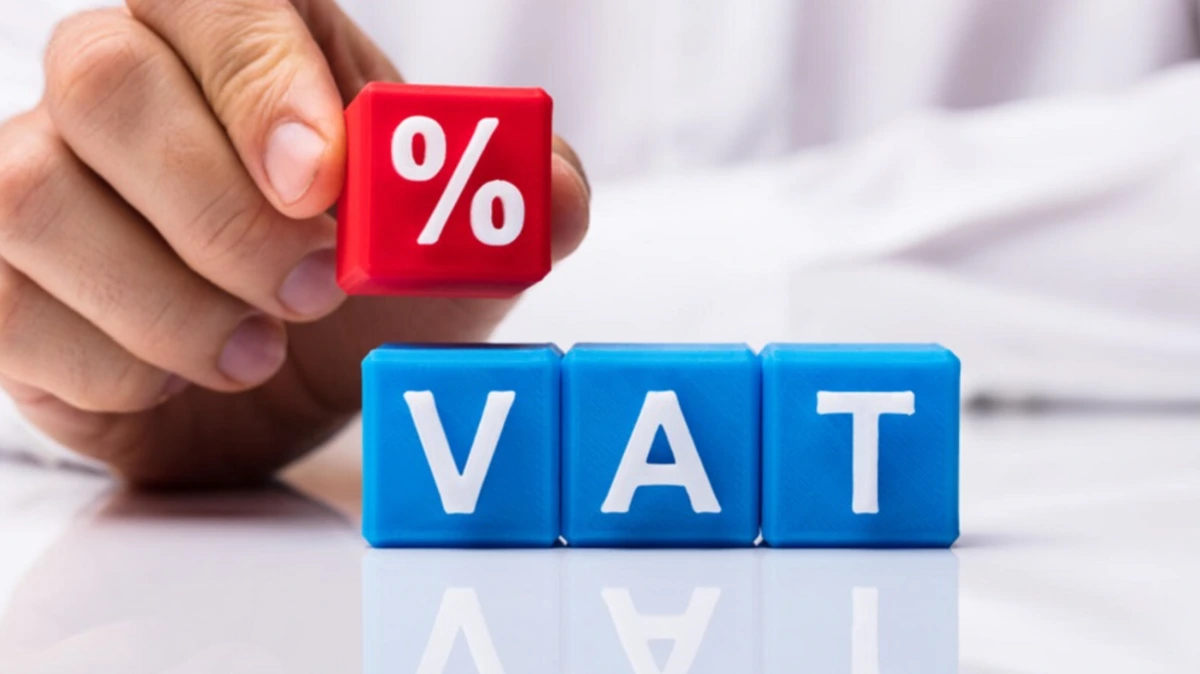
Nigeria’s 2026 VAT reform shifts allocation from derivation to consumption, boosting Lagos and Rivers while reducing revenue for agricultural states like Kano and Yobe, with a projected 15% increase in federal VAT collection.