
FG to Deploy 7 Million Meters to End Estimated Billing
The Federal Government plans to deploy 7 million electricity meters nationwide to eliminate estimated billing, improve transparency, and boost revenue in Nigeria's power sector.

The Federal Government plans to deploy 7 million electricity meters nationwide to eliminate estimated billing, improve transparency, and boost revenue in Nigeria's power sector.
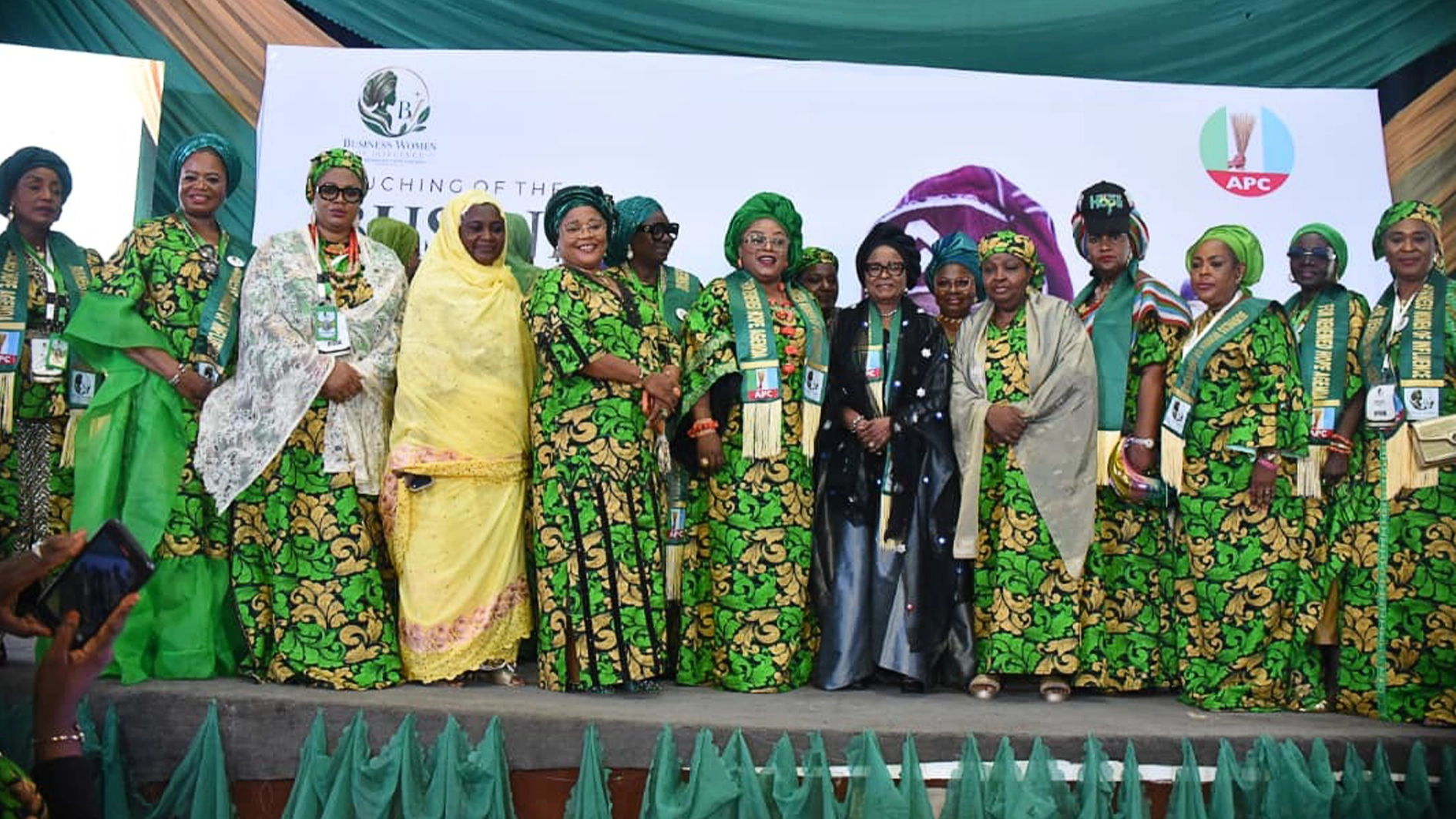
Women leaders launched BWIRHA to boost economic participation, support Tinubu's Renewed Hope Agenda, and advocate for greater female representation in governance.
Minimum wage negotiations loom as NLC, TUC push for higher pay, citing increased FAAC allocations. Employers warn against politically driven hikes, advocating economic realism.

A call to reject ethnic-based economic scrutiny, urging Nigeria to judge businesses by performance and legal compliance rather than ancestry, to foster investment and growth.
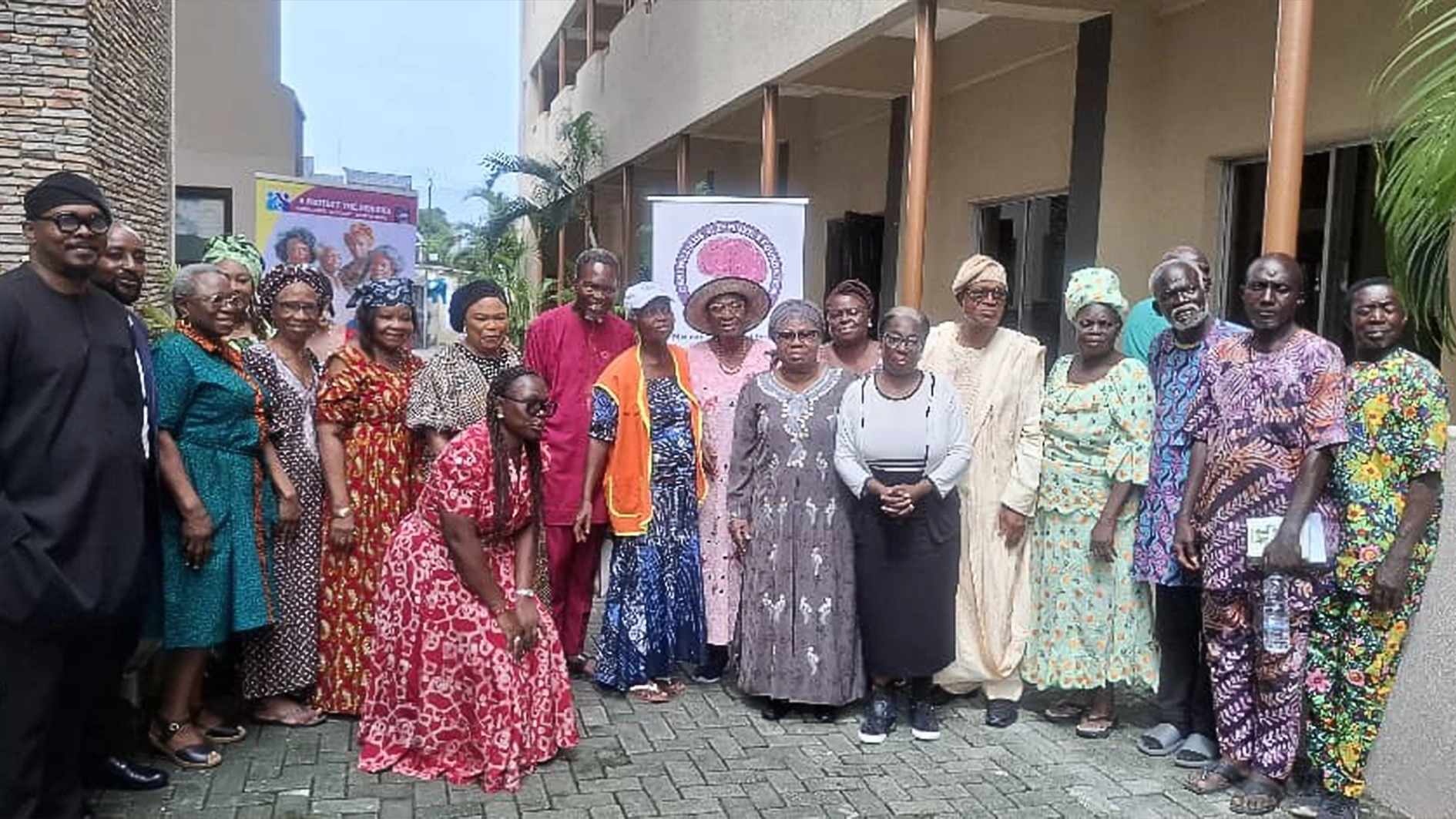
The Heart of Gold Support & Care Initiative and Patrick Ejedawe Foundation plan a luncheon on June 26, 2026, to raise N250 million for poverty reduction, education, and entrepreneurship.
Nigeria's broadband subscriptions hit 120 million, but data consumption drops amid inflation and tariff hikes, revealing a disconnect between network expansion and consumer purchasing power.
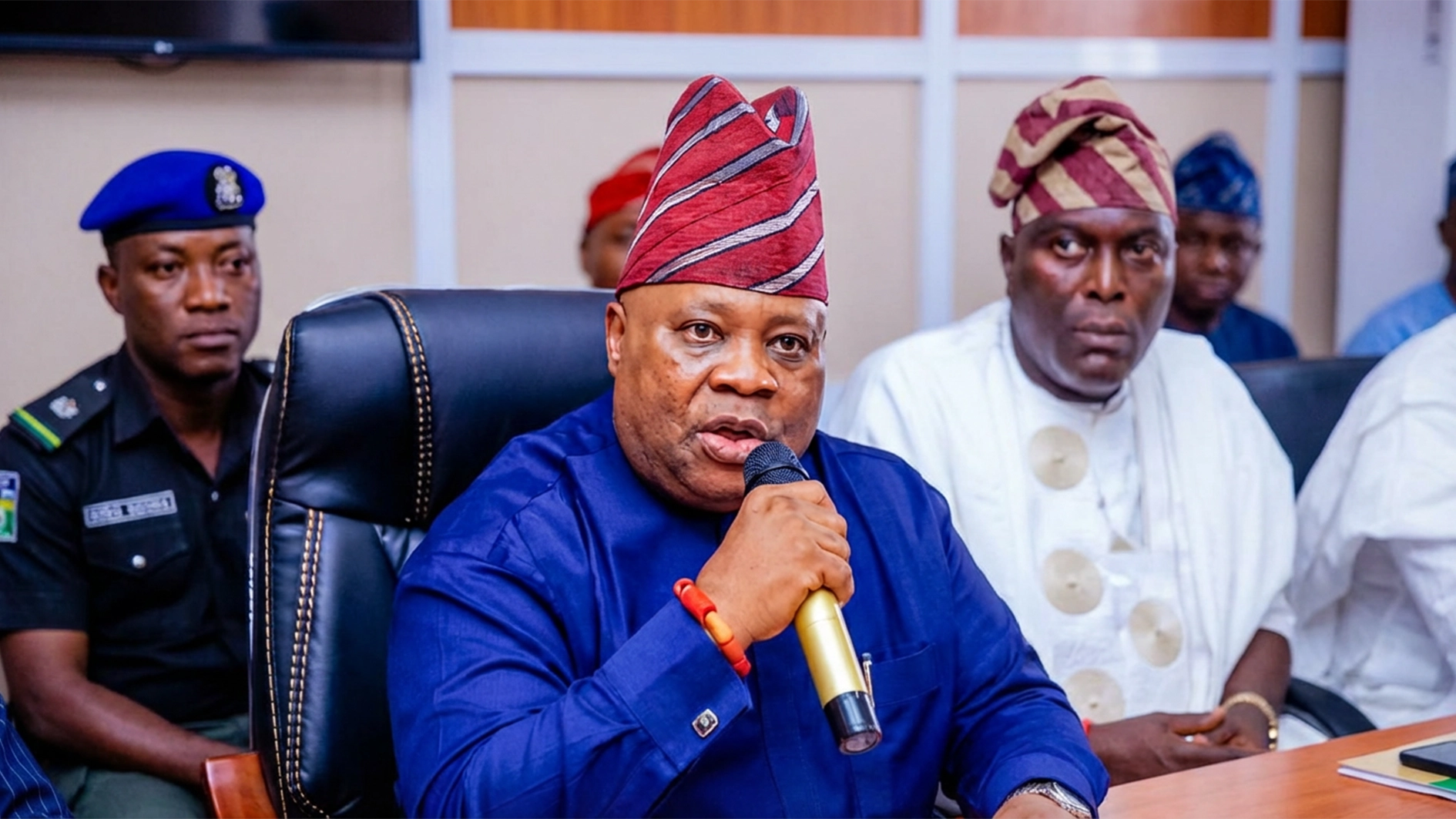
Governor Ademola Adeleke announces Osun State's alignment with the Federal Government's National Halal Economic Strategy, aiming to tap into the multi-trillion dollar halal economy.
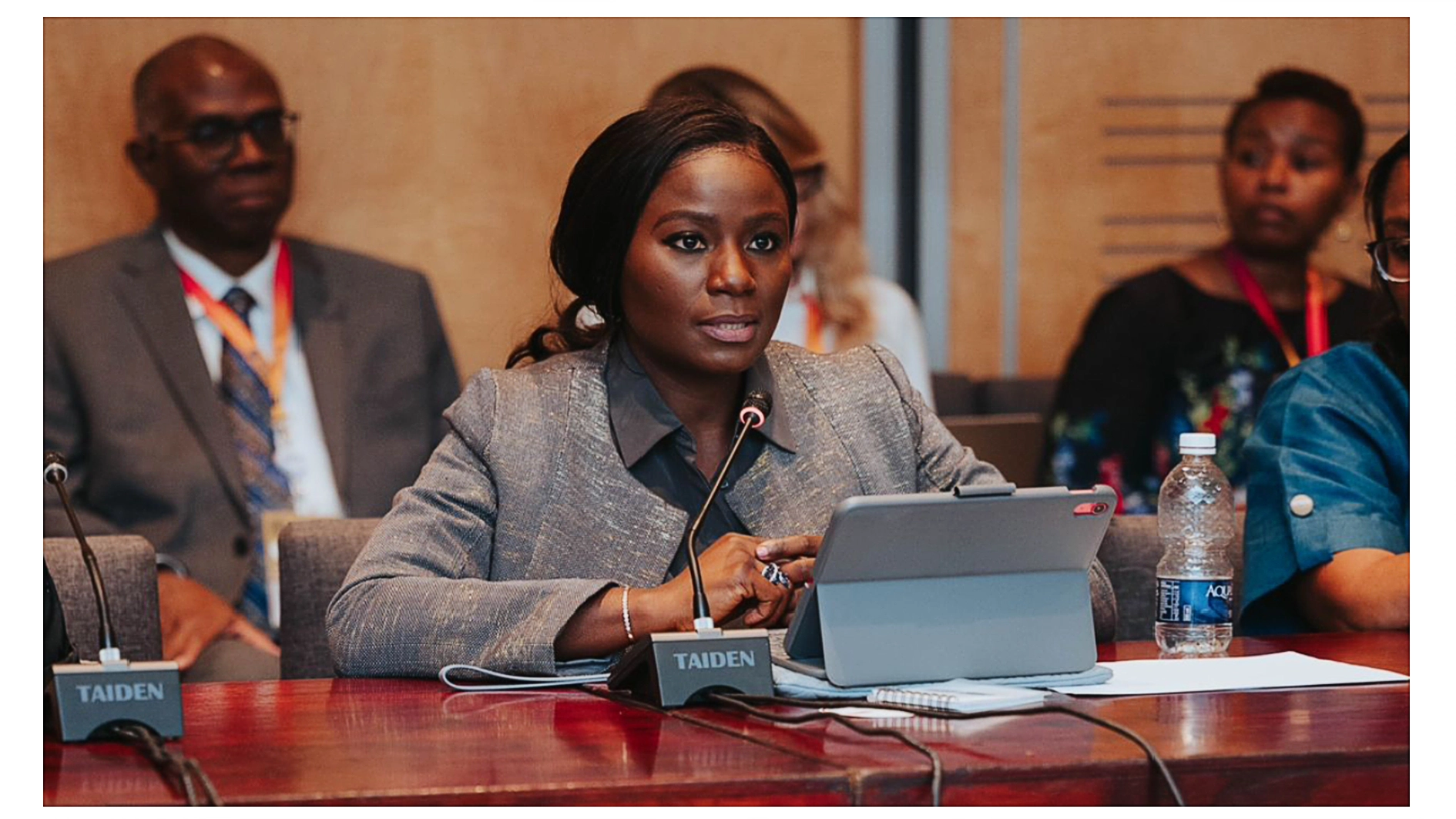
Nigeria's share of African upstream energy investment rose from 4% to 40% post-2023, attracting $10 billion in commitments and a $50 billion pipeline, says presidential aide Olu Arowolo Verheijen.

Nigeria's Company Income Tax fell to N1.37 trillion in Q1 2026, an 8.08% decline from Q4 2025. Domestic firms paid N538.91 billion, foreign firms N828.82 billion.
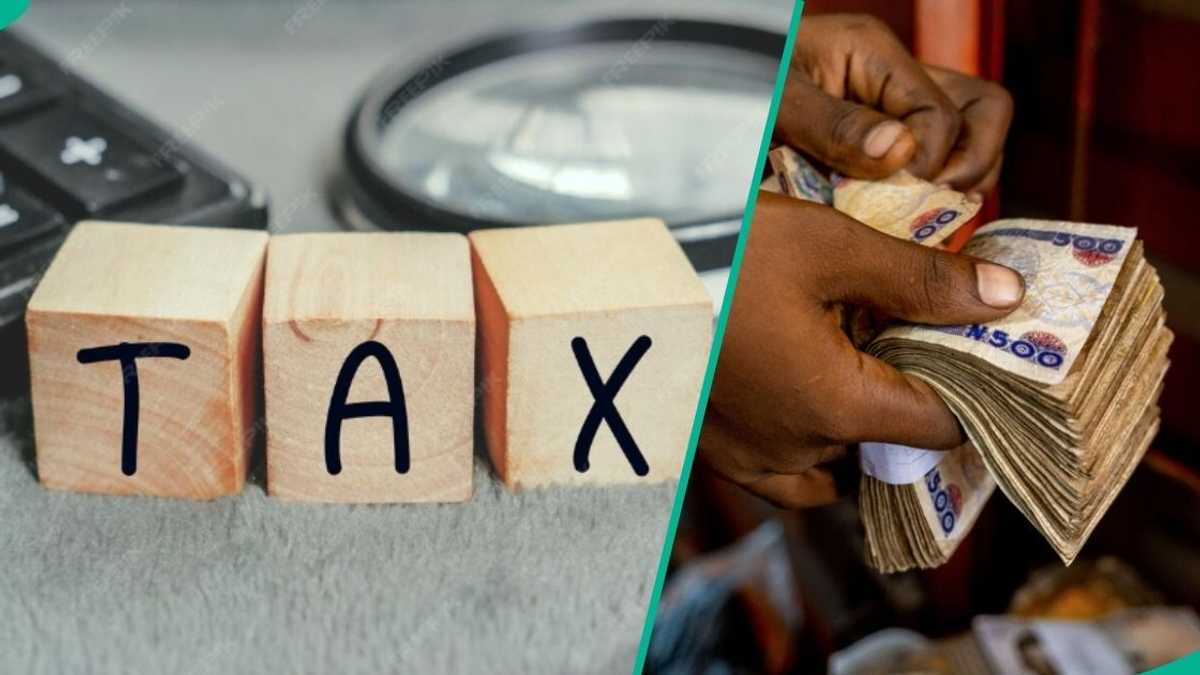
Nigeria's VAT revenue rose to N2.42 trillion in Q1 2026, a 9.98% increase from Q4 2025. Local VAT contributed N1.11 trillion, foreign VAT N830.47 billion, and import VAT N477.55 billion.

The US dollar surged to a 12-month high, pressuring the Nigerian naira as the Federal Reserve hinted at potential interest rate hikes. The naira closed at N1,363 per dollar in the official market.

The Oluwo of Iwo credited the Dangote Refinery with stabilizing Nigeria's economy and preventing petrol prices from soaring to N10,000 per litre amid global market disruptions.

The Federal Government releases guidelines for transitioning to the Tax Acts 2025, effective January 1, 2026, ensuring clarity and fairness in tax administration.
)
Elohor Aiboni appointed Shell's Executive Vice President and Country Chair for Nigeria, becoming the first Nigerian to hold the combined leadership role. She assumes office August 1, 2026.

The Nigerian stock market declined for a second consecutive day as investors engaged in profit-taking, with the All-Share Index dropping by 3,397.80 points and market capitalization losing N2.179 trillion.

Oil prices fell sharply on Thursday, June 18, dropping to their lowest since the US-Iran conflict, as a US-Iran agreement boosted supply prospects.
The IMF warns that growing use of US dollar stablecoins in Nigeria could weaken demand for naira and undermine monetary policy, posing risks to financial integrity.

After 27 years of democracy, Nigeria's health sector shows progress in workforce, immunization, and financial protection, but challenges remain in implementation and sustainability.

Residents of Awka, Anambra State, are grappling with high cooking gas prices, now N1,700 per kg, and call for government intervention to ease the burden.

Ehi Braimah examines Nigeria's AfCFTA strategy, highlighting progress in trade under the Guided Trade Initiative and challenges like weak infrastructure, logistics, and private sector readiness.
Standard Bank Group plans to increase investments in mid-sized African companies, targeting $15.4 billion in revenue from Nigeria, Ghana, Kenya, Uganda, and Tanzania.
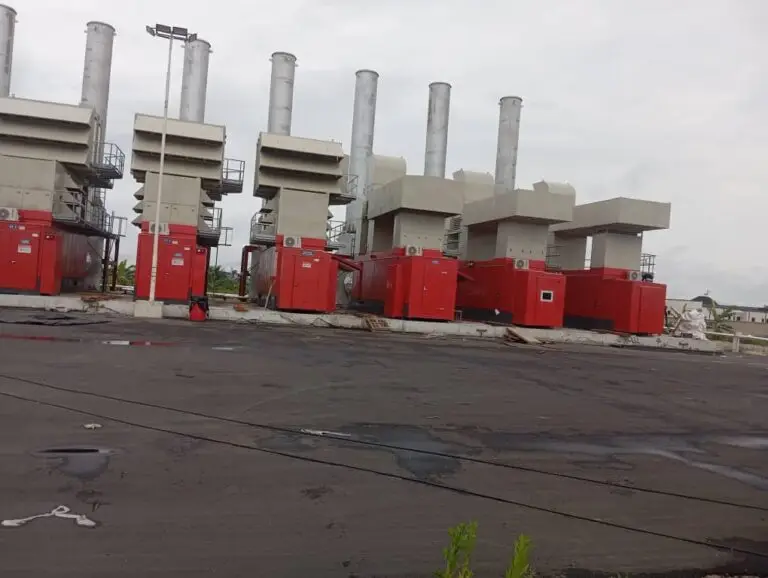
Bayelsa State Government has not yet decided on tariffs for its new 60MW gas-fired power plant. Residents raise concerns over PHEDC's revenue drive and lack of metering.
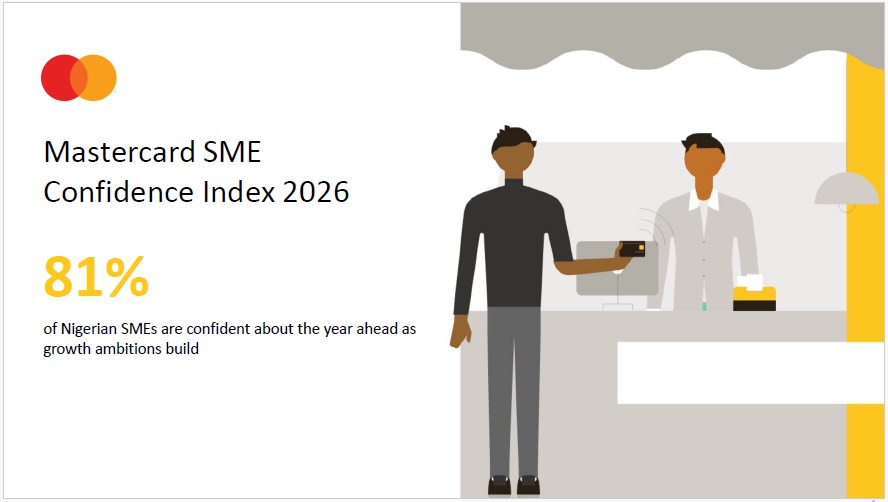
A Mastercard study reveals 81% of Nigerian SMEs are confident about the next 12 months, with 68% expecting revenue growth. Digital payments are seen as vital for expansion.
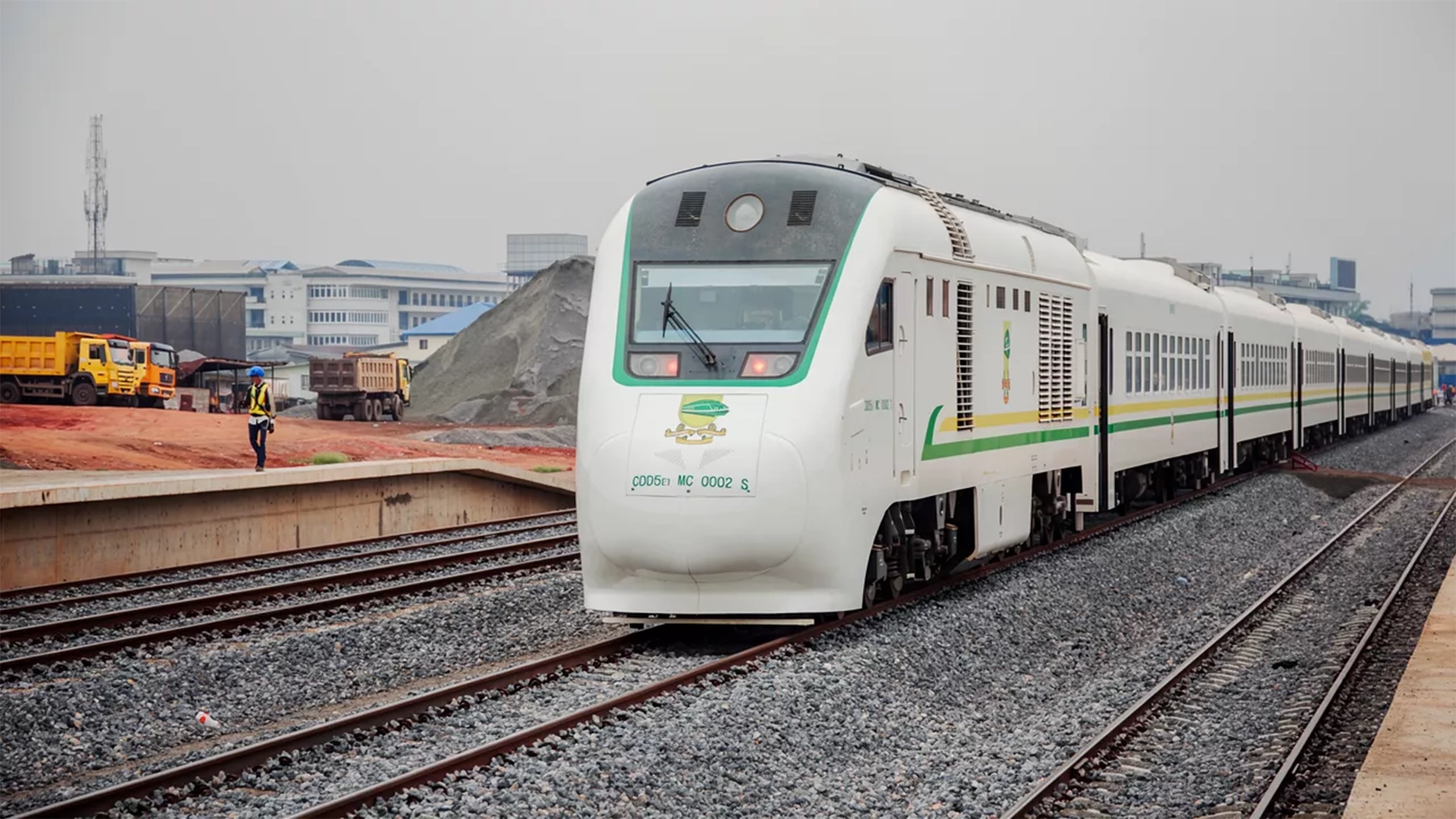
Despite billions in government funding, the Nigerian Railway Corporation (NRC) continues to run at a loss, relying on loans to sustain operations. Experts call for a shift to freight-focused reforms.
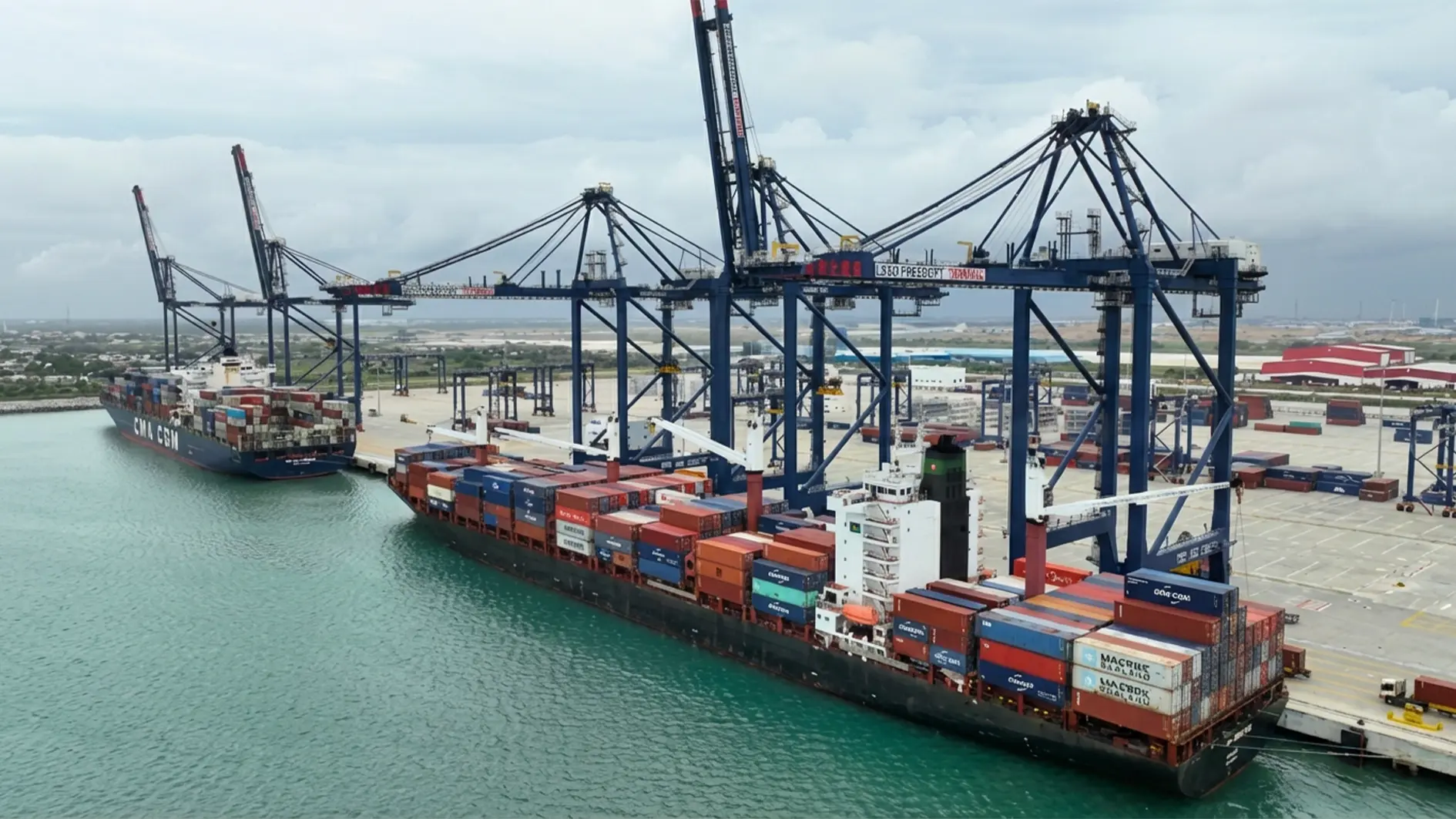
APFFLON urges Nigeria to resolve port inefficiencies, high costs, and regulatory hurdles before committing $1 billion to AfCFTA credit facility.
Analysis compares US and Nigeria's debt profiles, warning Nigeria's borrowing risks a debt trap as loans fail to yield visible development, with debt servicing consuming revenue.
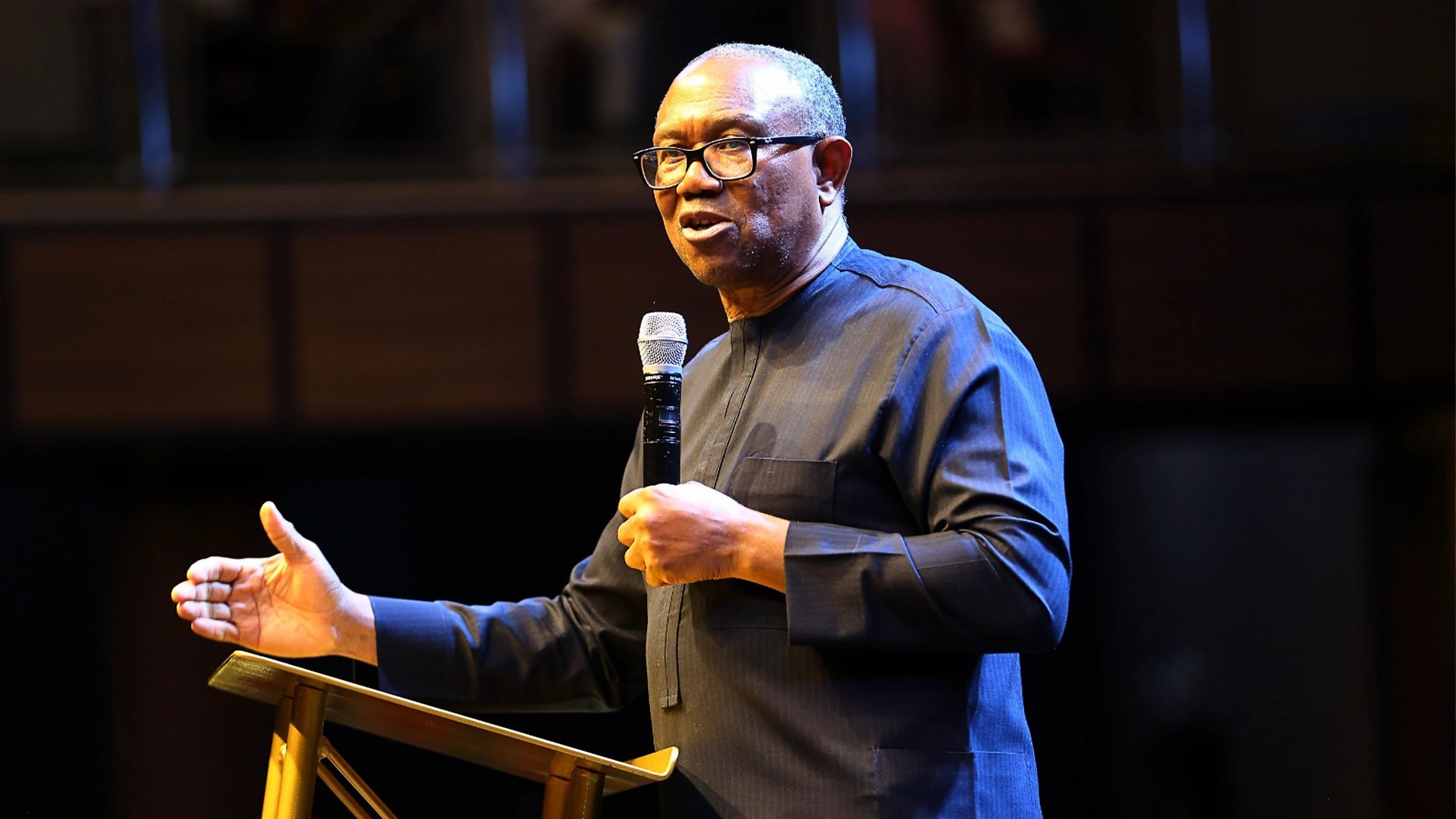
Peter Obi criticizes Nigeria's rising debt, citing South Africa's transparent $1 billion loan model as an example of accountable borrowing and urging fiscal discipline.

UAE remote work in 2026: Employees working from home enjoy equal rights under Labour Law, including regulated hours, timely salary, and full legal protections.
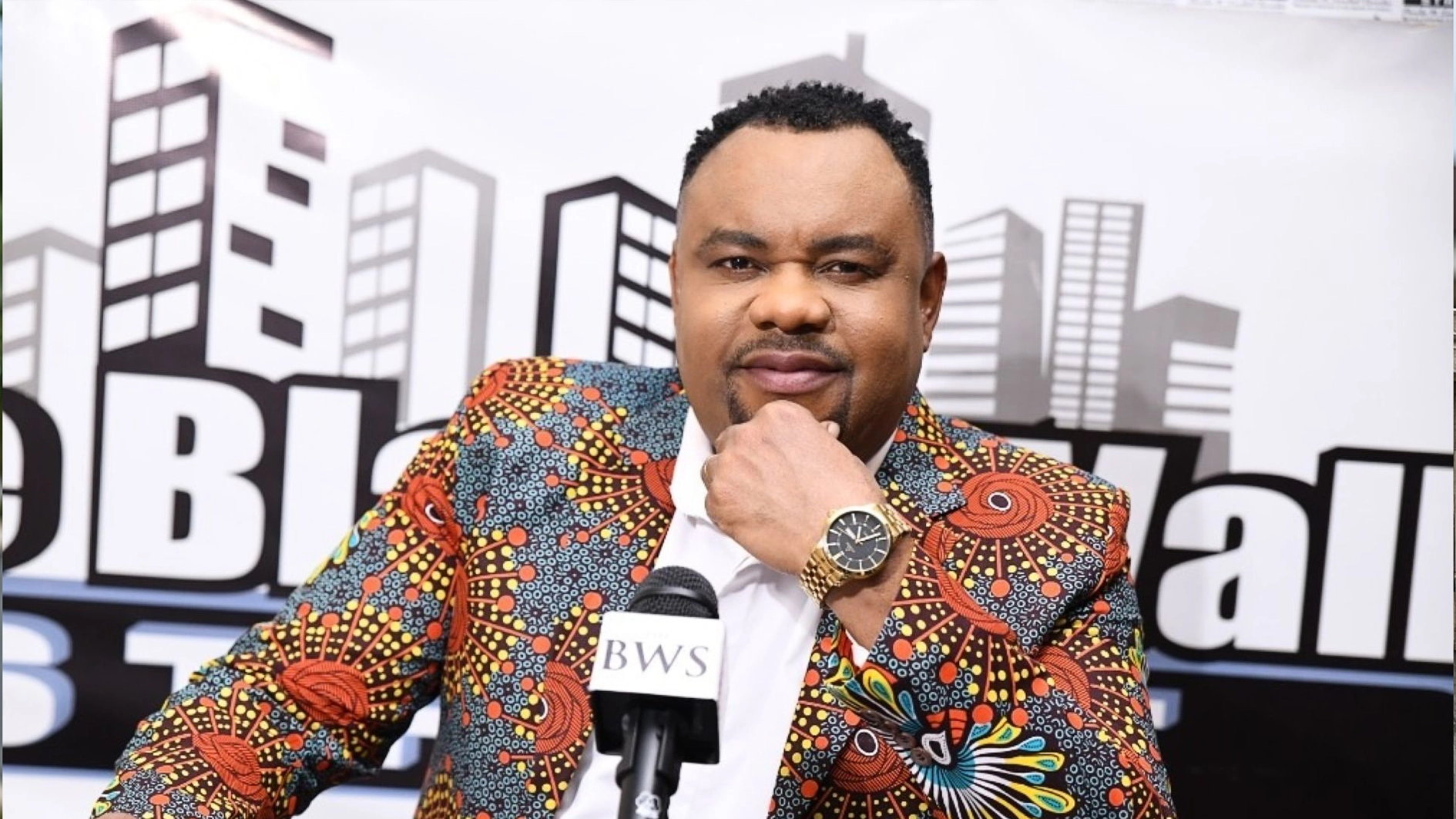
Pan-African visionary King Charles Lambert argues that true success is measured by lives impacted, not just financial gains, and shares his journey of resilience.
)
Nigeria launches National Blue Economy Action Plan to create 5 million ocean-based jobs by 2035 through fisheries, shipping, tourism, and renewable energy. President Tinubu announces at Our Ocean Conference.