Expert Urges South-West Governors on Youth Unemployment
Development expert Femi Oshoniyi warns South-West governors that rising youth unemployment could fuel insecurity and economic decline, advocating tech and agriculture solutions.

Development expert Femi Oshoniyi warns South-West governors that rising youth unemployment could fuel insecurity and economic decline, advocating tech and agriculture solutions.
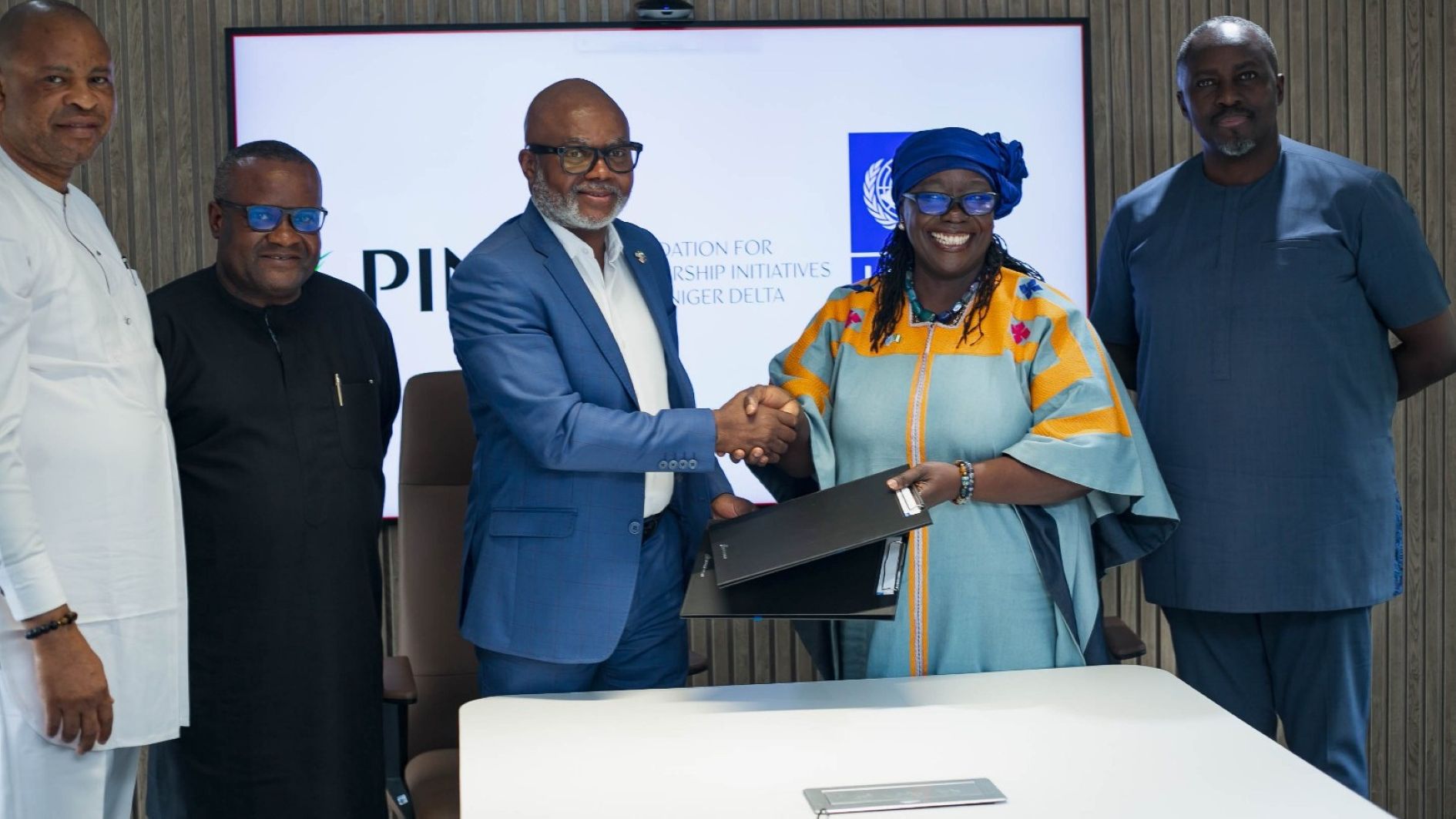
The United Nations Development Programme (UNDP) and the Foundation for Partnership Initiatives in the Niger Delta (PIND) have signed an MoU to advance integrated development solutions, focusing on clean energy, economic growth, and climate resilience in t
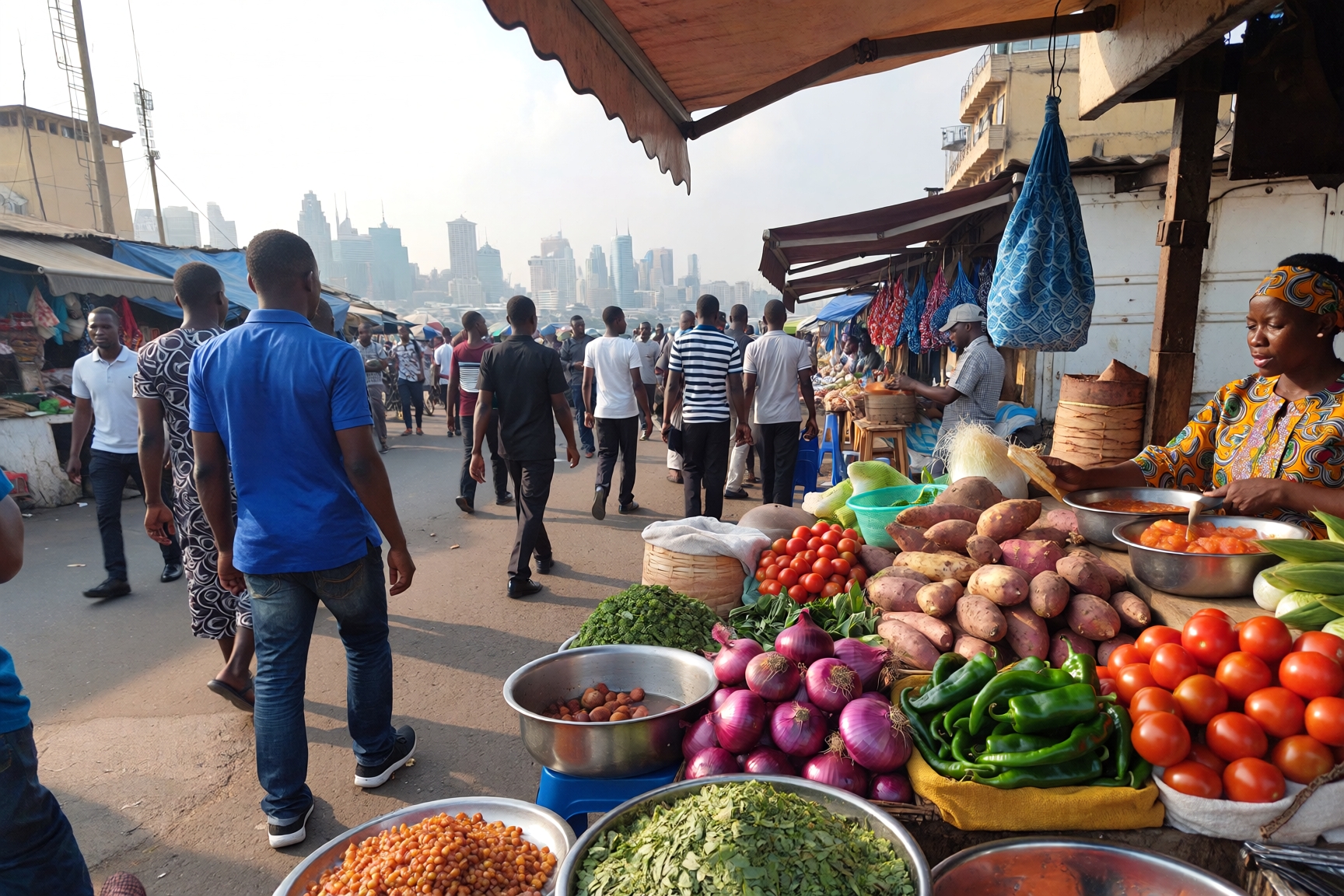
An in-depth analysis of Nigeria's standard of living, exploring regional disparities, infrastructure deficits, and economic challenges affecting daily life across the nation.
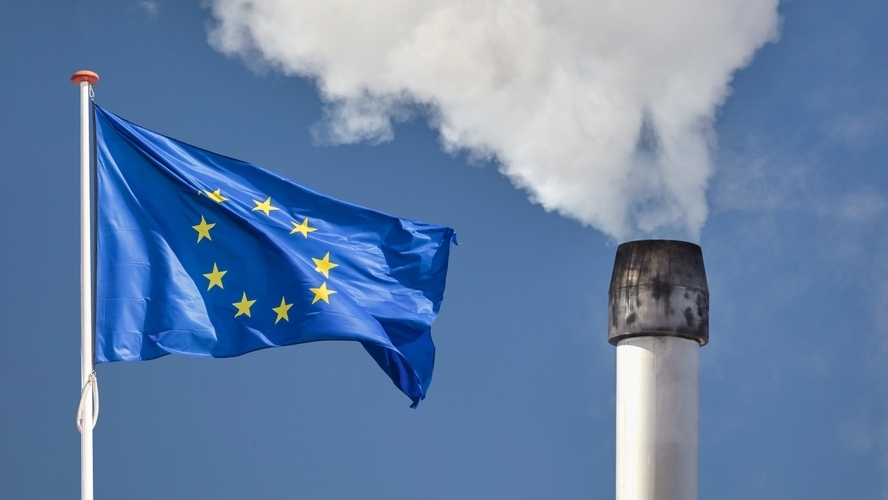
The European Union has proposed adjustments to its Emissions Trading System to reduce price volatility and address rising energy costs. The changes aim to create a buffer of unsold allowances to respond to future market tightness.
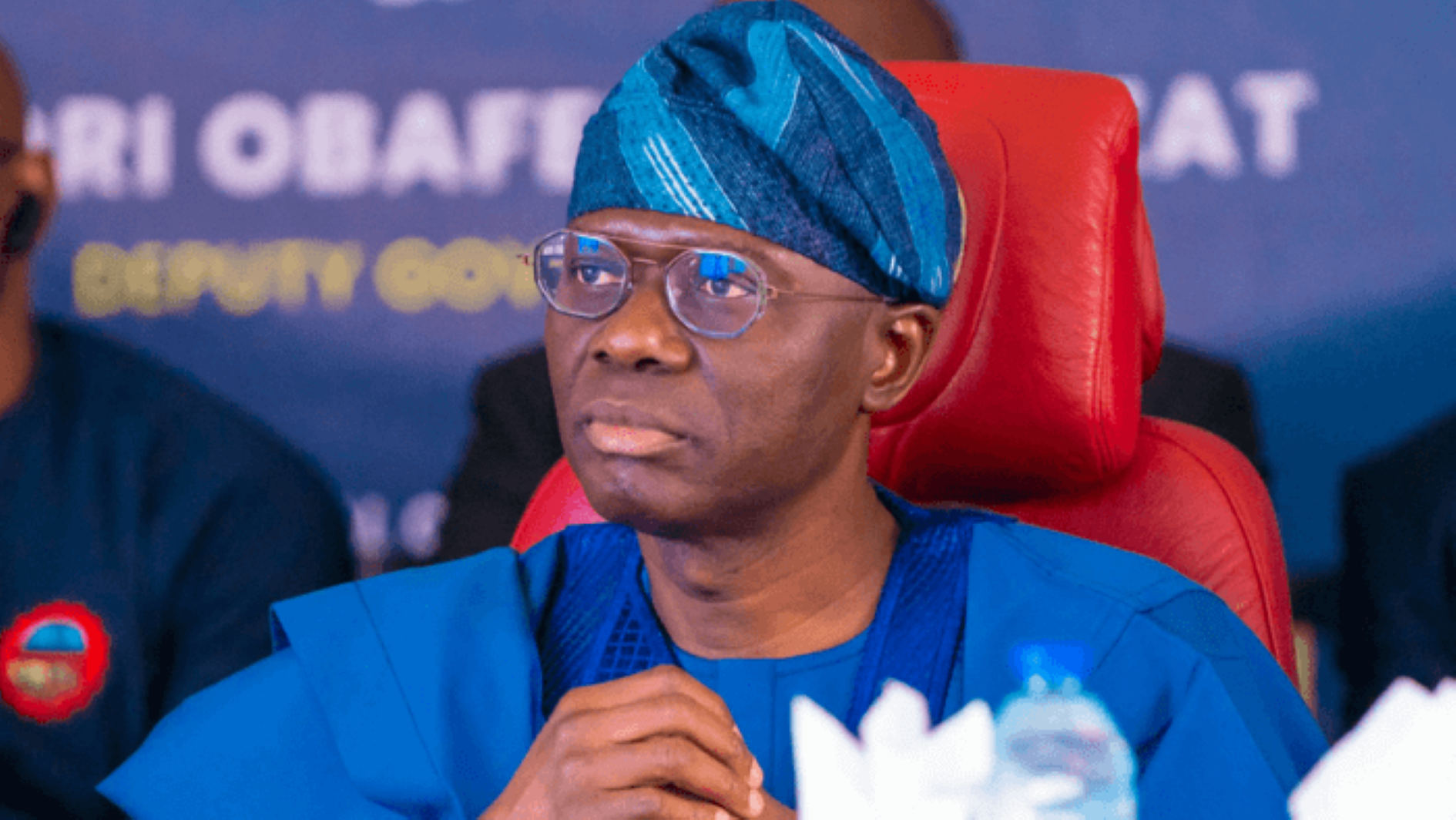
Lagos State has been ranked as Nigeria's top state for business, scoring 85.6% in a new PEBEC report. Governor Sanwo-Olu attributes this to digital reforms and infrastructure upgrades.
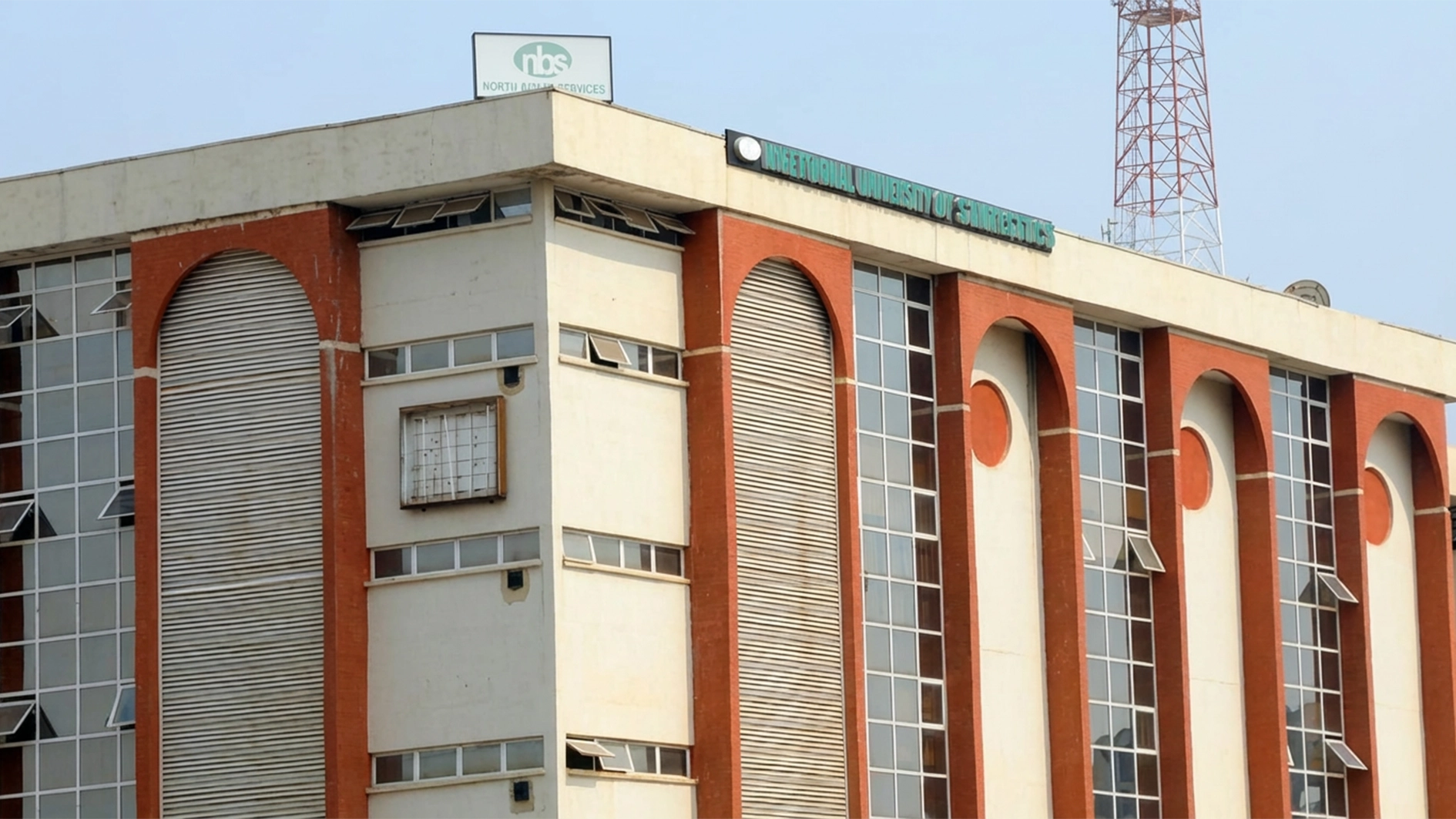
National Bureau of Statistics reports transport fare hikes across air, land, and water in February 2026, with Abia and Ogun states topping intercity bus costs.
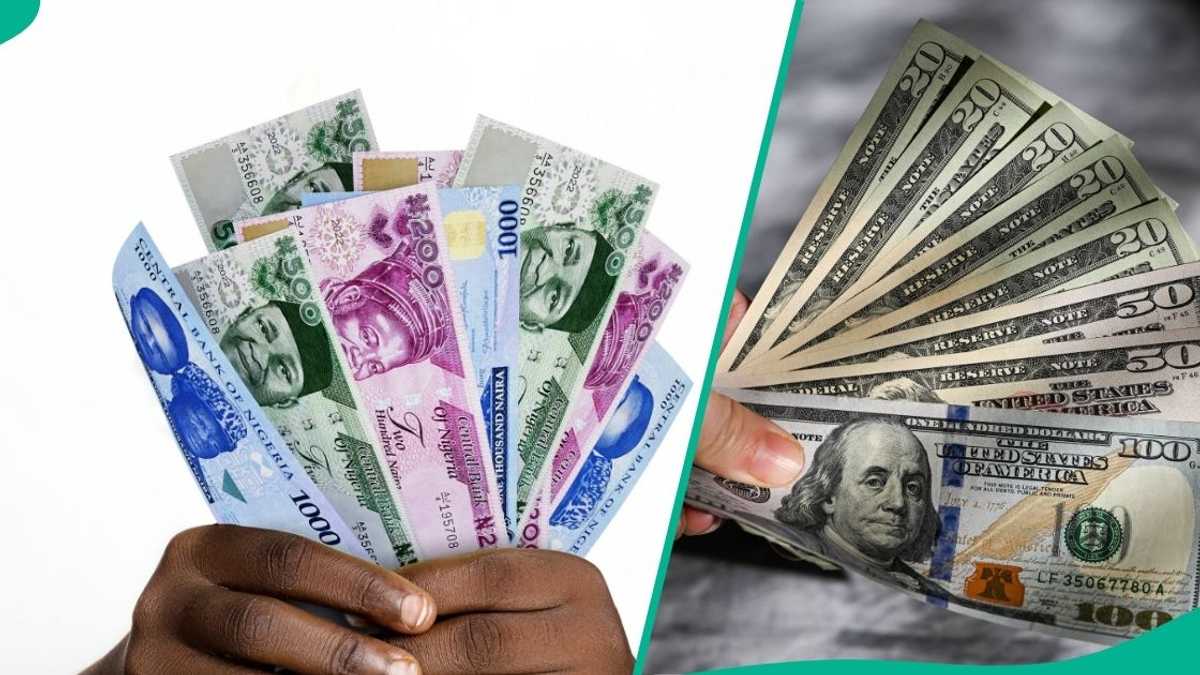
The Nigerian naira weakened further against the US dollar, closing at ₦1,386.72 as commercial banks adjusted rates amid a 62% drop in interbank FX deals and global oil price surges.
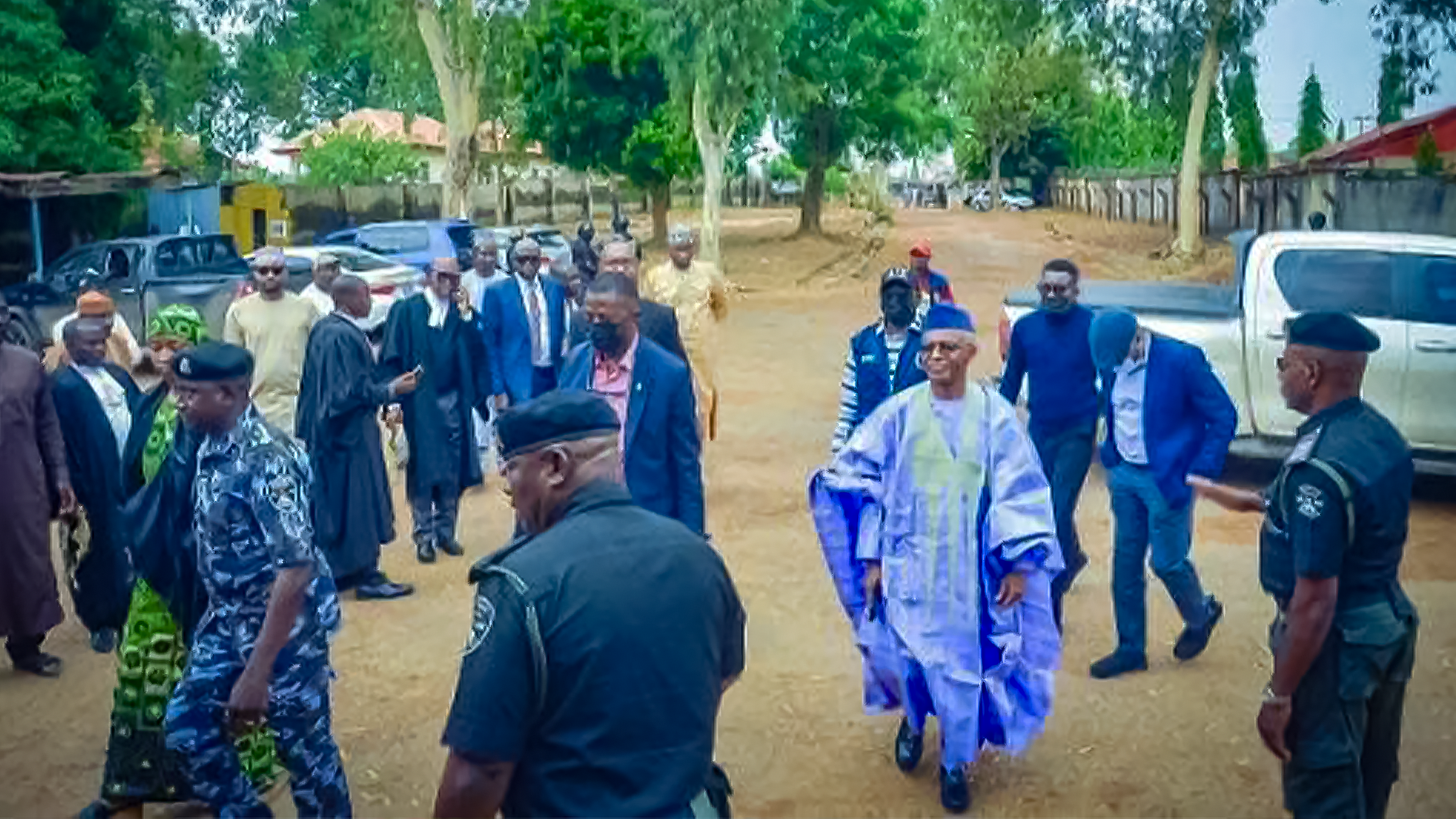
Former Kaduna governor Nasir El-Rufai argues Nigeria's economic underperformance stems from misallocated human capital, with incentives driving talent to rent-seeking over productive sectors like entrepreneurship.

Nigeria's March 2026 Federal Government bond auction recorded strong investor demand, with subscriptions exceeding the offer by 4.28%. The Debt Management Office reported total bids of N931.5 billion against an initial offer of N750 billion.
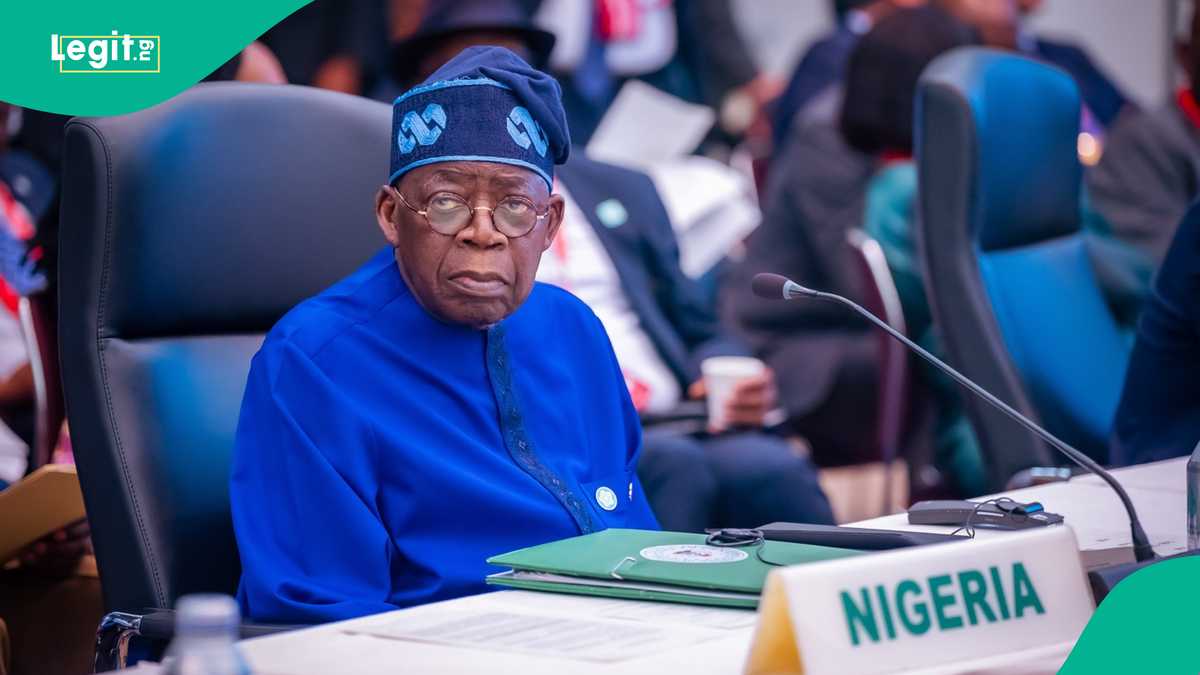
The Nigerian government has launched the Conditional Cash Transfer programme targeting 15 million vulnerable households, with ₦75,000 disbursed in three phases. Over 9 million households have already received payments.
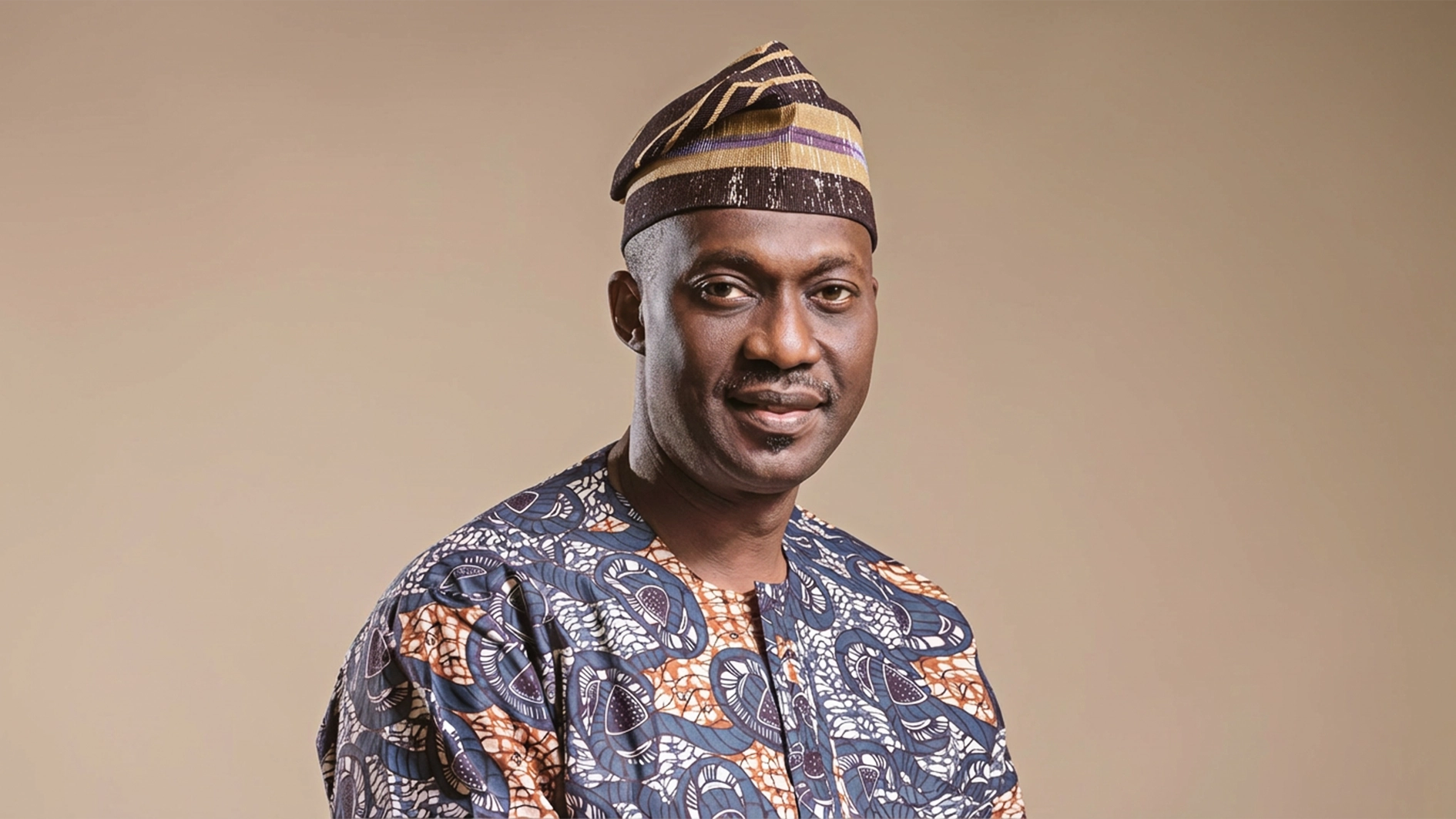
The Manufacturers Association of Nigeria warns that escalating global energy prices and supply chain disruptions threaten to cripple domestic production, urging immediate government intervention.
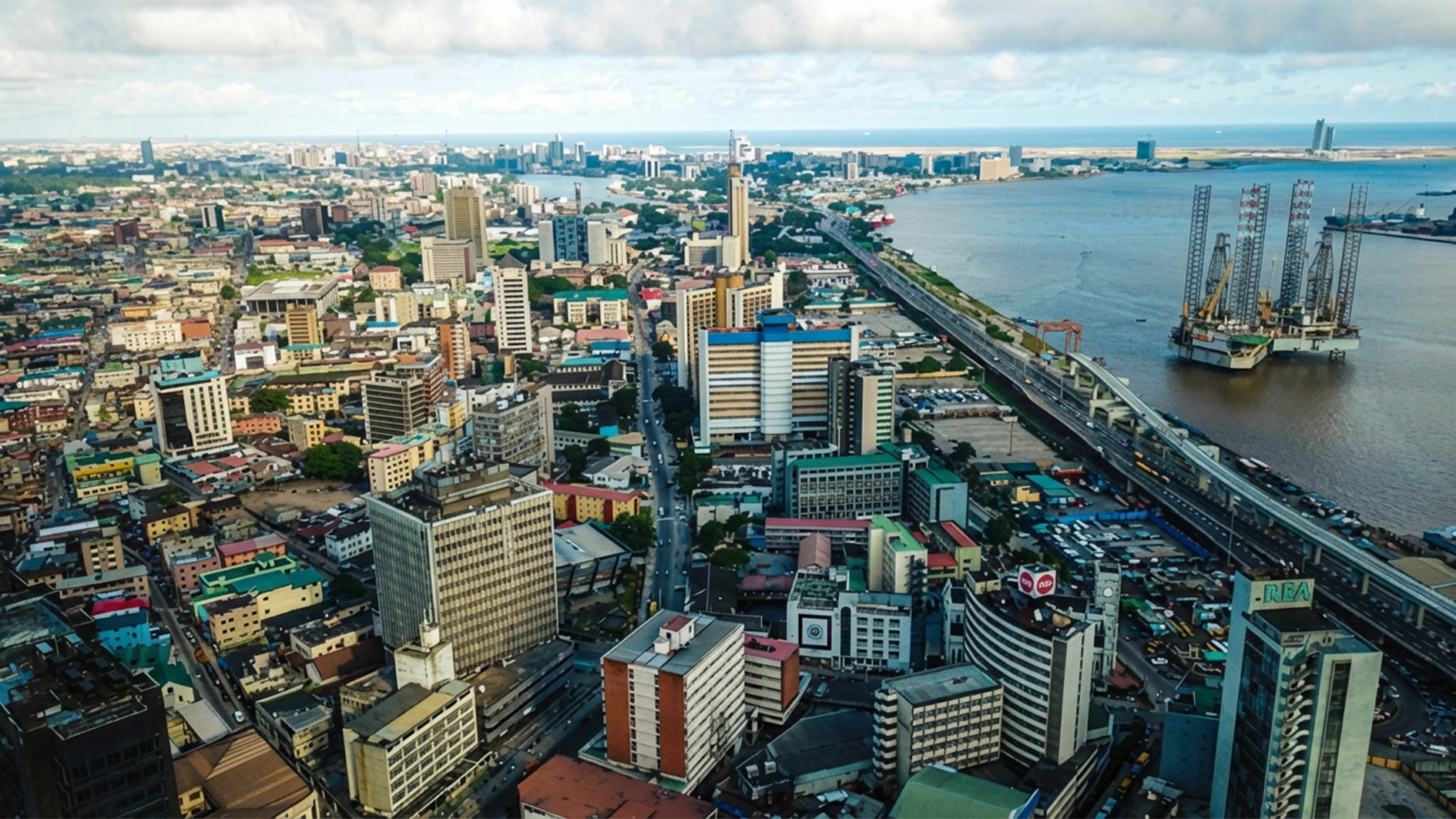
Lagos State Government unveils economic projections, forecasting GDP to reach N73.15 trillion in 2026 and aiming for a $1 trillion economy by 2052, driven by data-led governance and strategic planning under the T.H.E.M.E.S+ Agenda.

The African Development Bank warns that prolonged Middle East conflict could reduce Africa's economic growth by up to 1.5%, citing risks from oil price hikes and debt pressures.
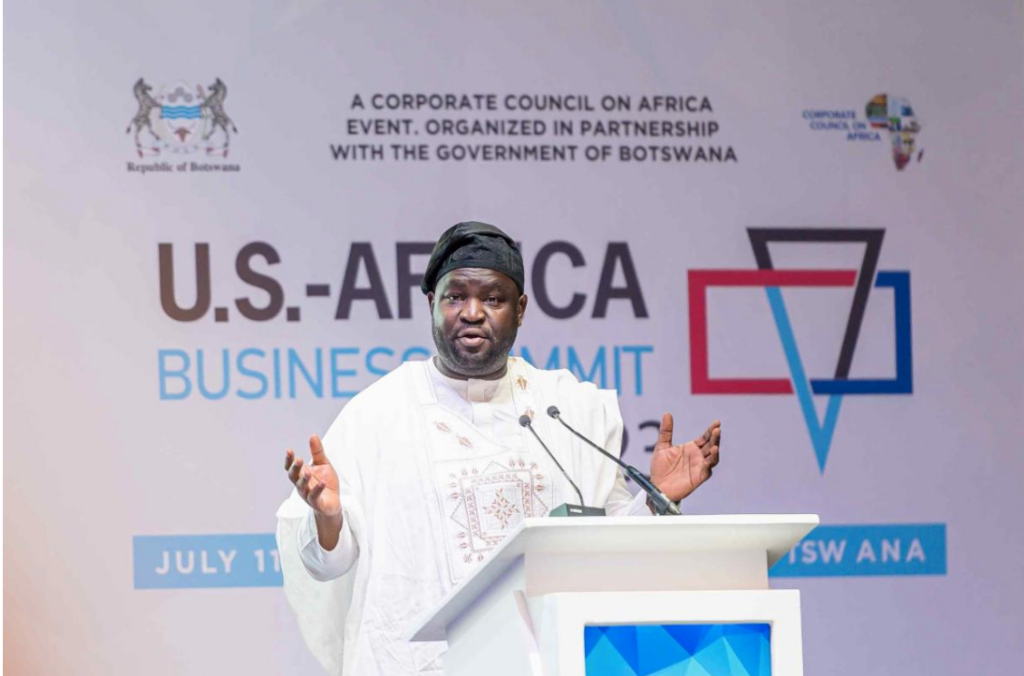
Mauritius hosts the U.S.-Africa Business Summit in July 2026, drawing over 2,500 delegates to boost trade and investment, while global uncertainties from the Iran conflict pose challenges for travel and logistics.

Stakeholders at a Lagos dialogue warn Nigeria's economic reforms remain fragile without tackling inequality, improving fiscal transparency, and better policy communication.

A growing number of Nigerians who left for better opportunities abroad are now returning home, citing economic opportunities, family ties, and quality of life.

Nigeria has received a low rating in transparency, accountability, oversight, and public participation in national debt management, according to the Open Budget Survey 2025. The International Budget Partnership calls for urgent reforms to enhance public t

The Nigerian government has unveiled a report on cross-border digital payments and identity to help Micro, Small, and Medium Enterprises tap into the $3.5 trillion African Continental Free Trade Area market, emphasizing fintech and infrastructure support.
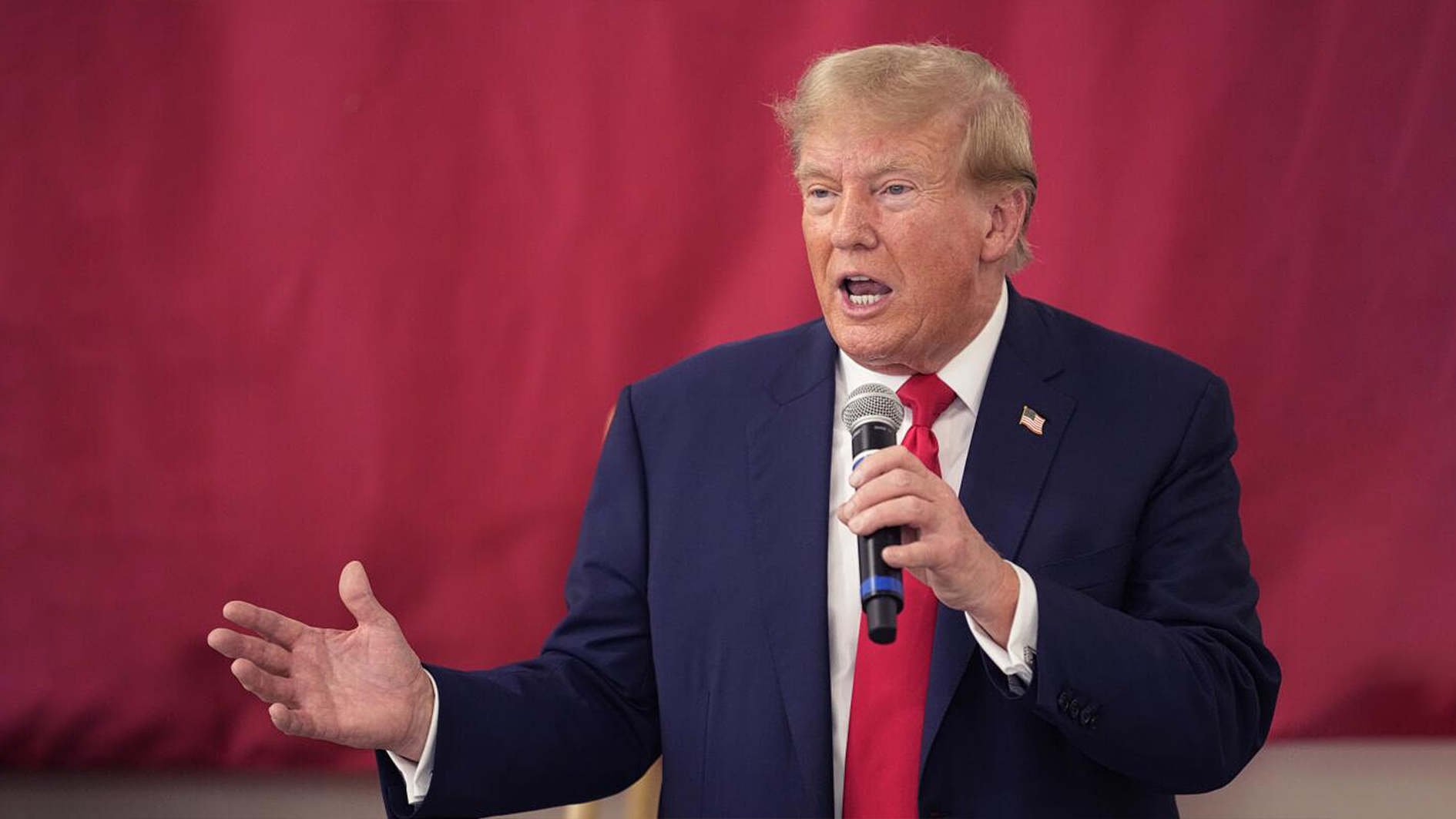
The US-Africa Business Summit will convene in Mauritius this July, bringing together over 2,500 delegates to boost trade and investment, despite concerns over rising fuel costs and US policy impacts linked to the Iran conflict.

Global oil prices have surged into triple digits due to Middle East tensions, offering potential revenue gains for Nigeria but offset by global risk aversion and currency volatility.
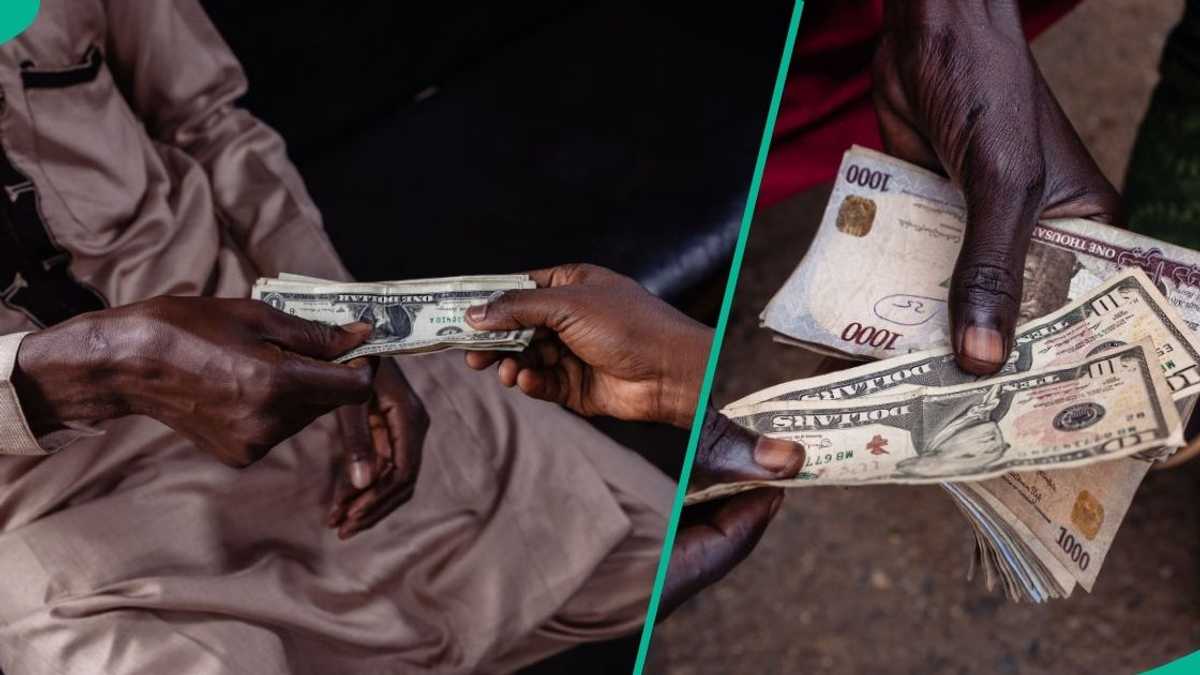
The Nigerian naira has depreciated against the US dollar in both official and parallel markets, while the dollar strengthens globally amid economic uncertainties.
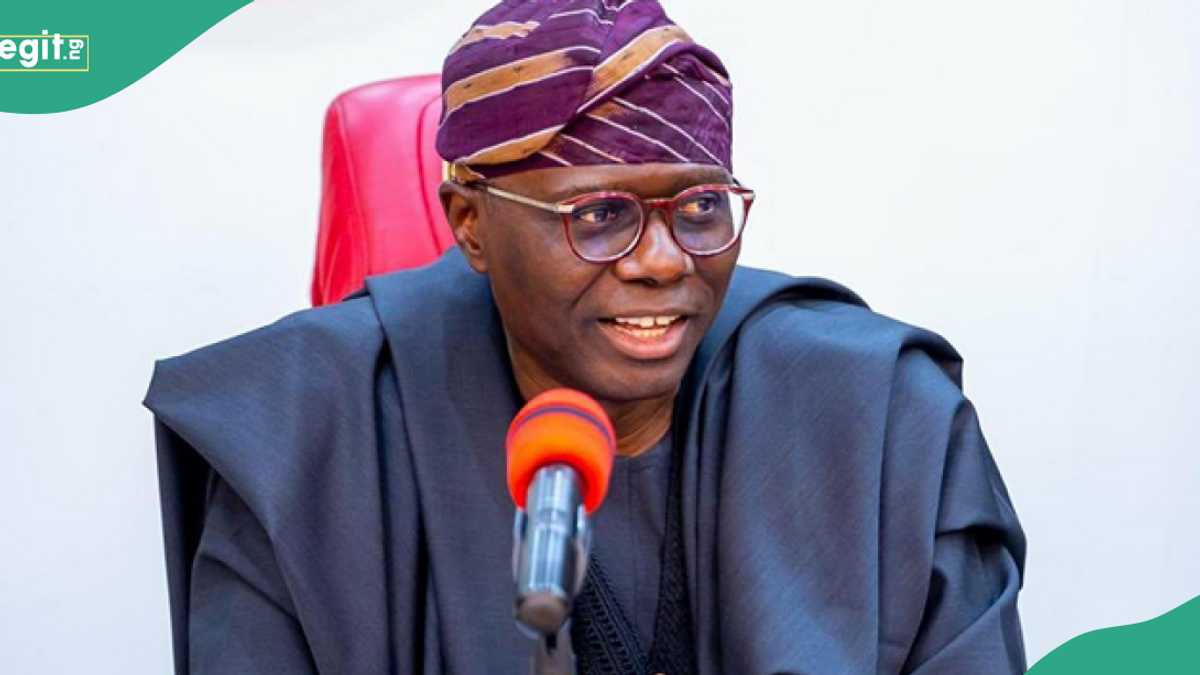
The Lagos State Internal Revenue Service has extended the personal income tax filing deadline to April 14, 2026, urging residents to use the eTax platform for submissions.

Nigeria's naira depreciated 0.22% to ₦1,383.58 per dollar in the official market as foreign exchange turnover fell to $142.29 million, highlighting ongoing currency pressures amid reduced liquidity.
)
Countries worldwide declare energy emergencies as Strait of Hormuz disruption causes fuel price surges. From UK to Australia, governments implement radical measures including fuel rationing, free public transport, and work-from-home mandates.
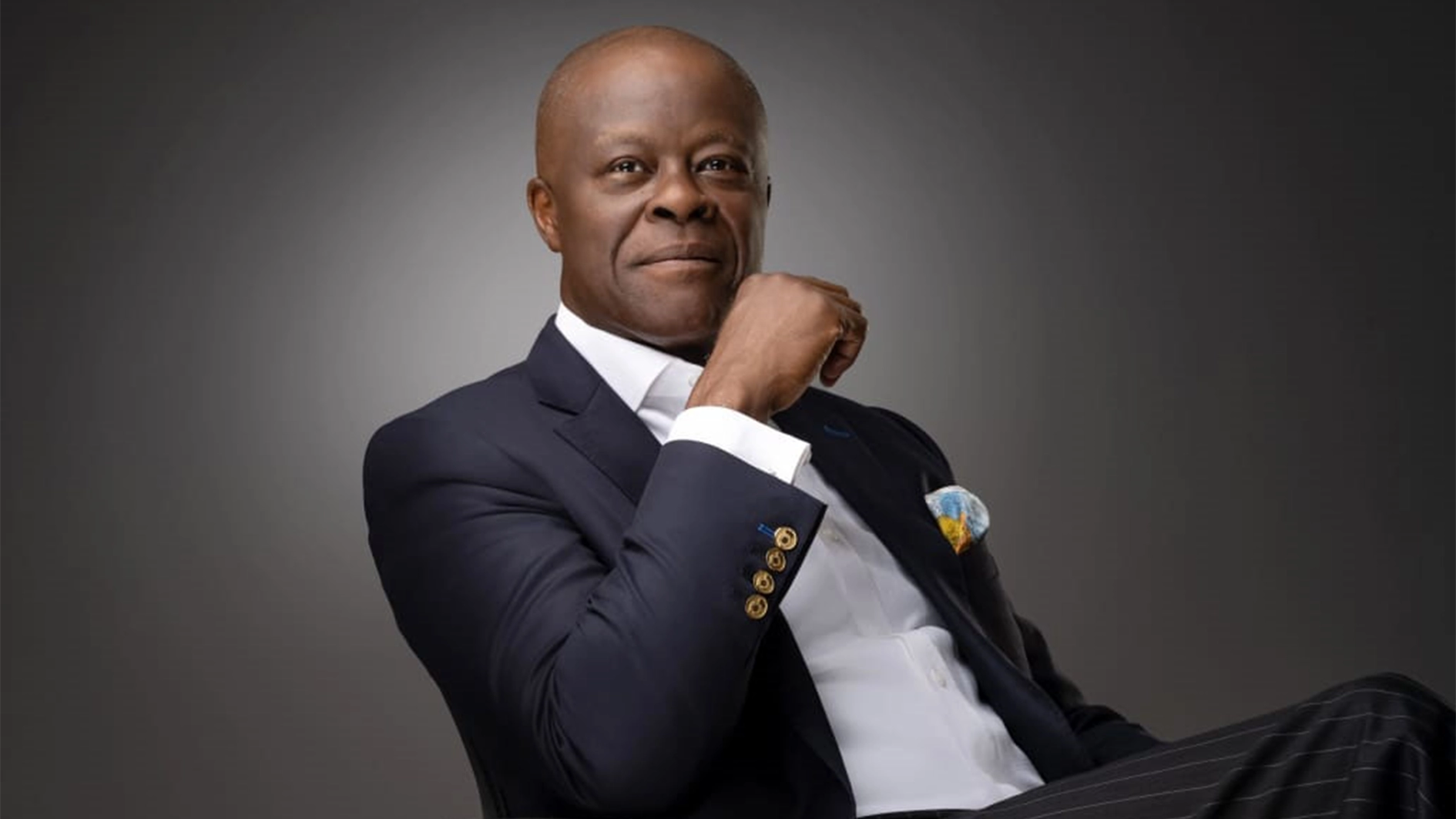
The Federal Government intensifies collaboration with the Islamic Development Bank to mobilize investments in infrastructure, energy, and trade reforms, aiming to grow Nigeria's economy to $1 trillion by 2030.

The Federal Government has disbursed ₦688 billion to 9.2 million households through the HOPE-CT Programme over two years, with women comprising 58.7% of beneficiaries. The World Bank-funded initiative aims to support 15 million vulnerable Nigerians.

Nigeria's logistics sector, projected to reach $15.05 billion by 2030, faces a critical threat from theft and service manipulation, eroding consumer confidence and risking growth.

The IMF warns that the Middle East conflict could lead to stagflation, with rising prices and slowed growth, disproportionately affecting poor nations through energy, trade, and financial disruptions.
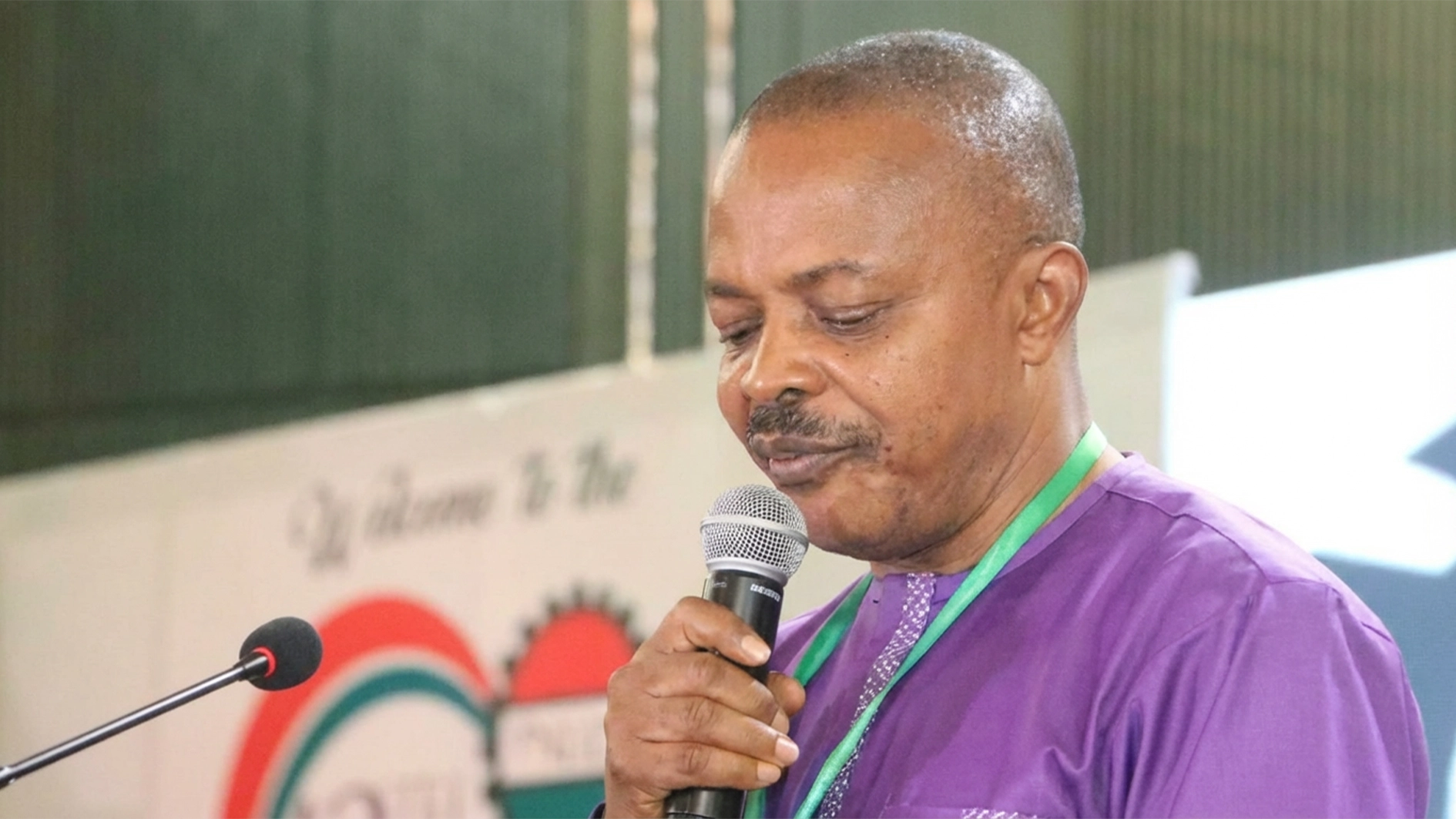
Nigerian workers and citizens are grappling with soaring fuel prices, pushing up living costs. Labour groups, including the NLC, demand immediate government relief measures like wage awards and tax relief to cushion the economic hardship.
The Middle East war has spiked global oil prices, impacting Nigeria's economy. This article analyzes the need for government interventionist policies to mitigate effects on citizens.