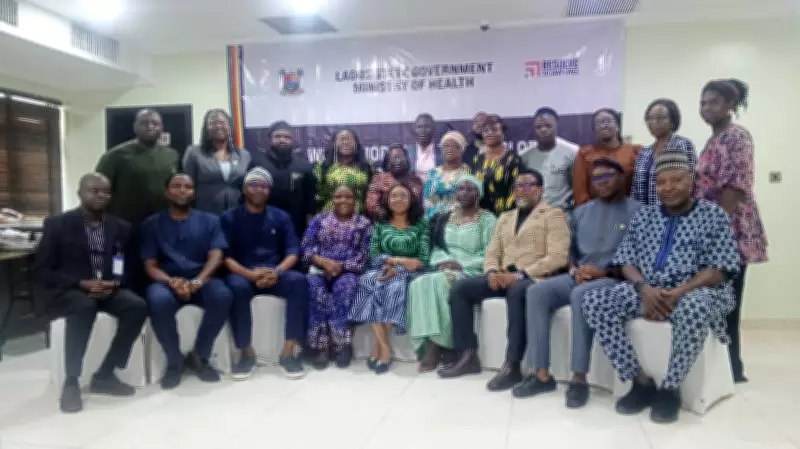
Resolve to Save Lives (RTSL), in collaboration with the Lagos State Government, has successfully concluded a three-day stakeholders' workshop aimed at formulating a comprehensive strategy to combat lead poisoning and minimize public exposure to hazardous substances across the state.
Workshop Objectives and Participation
The workshop was designed to enhance policies, improve surveillance systems, and raise public awareness regarding the risks of lead contamination in consumer products, water sources, and the environment. Participants included officials from the health, environment, consumer protection, and water management sectors.
Government Commitment
Dr. Dayo Lajide, Permanent Secretary of the Lagos State Ministry of Health, emphasized that the workshop reflects the state's dedication to safeguarding residents through evidence-based interventions and strengthened environmental health policies. She noted that lead poisoning remains a significant public health and environmental challenge in Nigeria, with exposure to contaminated consumer products and unsafe industrial activities posing serious risks.
Dr. Olajumoke Oyenuga, Director of Health Care Planning, Research and Statistics, explained that the workshop aimed to domesticate the national strategic plan on lead poisoning prevention in Lagos State. She stressed the need for stronger advocacy to educate residents about the dangers of contaminated creams, unsafe consumer products, and environmental exposure.
Consumer Protection and Enforcement
Afolabi Solebo, General Manager of the Lagos State Consumer Protection Agency, raised concerns about illegal battery recycling, electronic waste processing, and industrial emissions in areas such as Ikorodu, Alaba, and Ajegunle. He assured residents that the agency would intensify enforcement of safety standards, expand public sensitization campaigns, and ensure that only safe products are sold in Lagos markets.
RTSL's Role and Future Plans
Dr. Nanlop Ogbureke, Executive Director of RTSL, stated that the initiative supports Lagos State in creating an implementation roadmap to eliminate lead from cosmetics and other consumer products. She highlighted that lead poisoning severely impacts children, women of childbearing age, and adults, and that RTSL launched its lead poisoning prevention program in Nigeria in March 2025. Lagos is one of four pilot states, alongside Kano, Kwara, and Nasarawa.
Health Impacts and Prevention
Ogbureke warned that even low-level lead exposure can cause lifelong health complications, particularly in children, impairing brain development, reducing learning ability, and affecting future productivity. She noted that Nigeria has experienced multiple outbreaks and continuous exposure risks, necessitating stronger preventive measures and public enlightenment campaigns.
The workshop concluded with stakeholders pledging stronger collaboration to implement sustainable policies and preventive measures to protect residents from lead poisoning dangers.