Eid Al Adha 2026: Date and Key Facts
Eid-ul-Adha, also known as the Festival of Sacrifice, is one of the most significant celebrations in Islam. In 2026, it is anticipated to begin on Wednesday, May 27, subject to the sighting of the crescent moon. The festival commemorates the faith of Prophet Ibrahim and promotes values of sacrifice, compassion, and unity among Muslims worldwide.
Date of Eid Al Adha 2026
The festival occurs on the 10th day of Dhul Hijjah, the final month of the Islamic lunar calendar. Astronomical calculations suggest that Eid-ul-Adha 2026 will start on May 27, but the exact date may vary depending on local moon sightings. The celebration typically spans three to four days, including the days of Tashreeq.
Significance of Eid-ul-Adha
Eid-ul-Adha honors Prophet Ibrahim’s willingness to sacrifice his son in obedience to Allah. According to Islamic tradition, Allah replaced his son with a ram, symbolizing faith, sacrifice, and mercy. The festival reminds Muslims that true devotion lies in sincerity and piety rather than material offerings.
Connection Between Hajj and Eid-ul-Adha
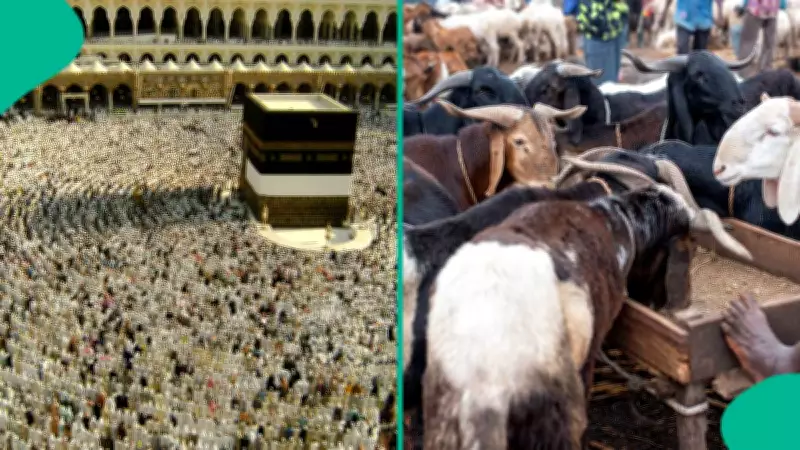
Eid-ul-Adha coincides with the annual Hajj pilgrimage to Makkah, one of the five pillars of Islam. Pilgrims perform rituals such as Ramy al-Jamarat (stoning of the devil) and animal sacrifice. For Muslims not performing Hajj, Eid-ul-Adha offers a spiritual opportunity to reflect on faith, humility, and gratitude.
Key Rituals of Eid-ul-Adha
The main rituals include the Eid prayer (Salat al-Eid), performed in mosques or open fields, followed by a sermon. Qurbani, the sacrifice of livestock such as sheep, goats, cows, or camels, commemorates Prophet Ibrahim’s devotion. The meat is divided into three parts: one for the family, one for relatives and friends, and one for the poor. Charity and sharing are central, encouraging support for the needy and strengthening community bonds.
Preparations for Eid-ul-Adha
Muslims prepare by cleaning and decorating their homes, purchasing animals for Qurbani, buying new clothes, preparing festive meals, and increasing prayers. The days of Dhul Hijjah are among the holiest in the Islamic year, inspiring greater devotion and reflection.
Global Celebrations of Eid-ul-Adha
In South Asia, families prepare dishes such as biryani, kebabs, and qorma using fresh Qurbani meat. In the Middle East, celebrations include large family feasts, charity events, and extended gatherings. In Western countries, Muslims gather in mosques, parks, or community centers for prayers and cultural festivals. Organizations like the Islamic Society of North America (ISNA) play a key role in organizing community prayers and charity events.
Spiritual Message of Eid-ul-Adha
The festival encourages Muslims to strengthen their faith, show generosity, support the needy, and embrace sacrifice and gratitude. It serves as a reminder that devotion to Allah and service to humanity are more important than material possessions. Muslims greet each other with “Eid Mubarak” (Blessed Eid), exchange gifts, visit relatives, and share meals. Children often receive Eidi, small gifts or money given by elders.
Why Eid-ul-Adha Matters Today
In today’s fast-paced world, Eid-ul-Adha reminds Muslims of faith, sacrifice, and unity. It inspires them to follow Prophet Ibrahim’s example, strengthen communities, and practice compassion. Organizations such as ISNA continue to promote these values through charity and education. Eid-ul-Adha 2026 will bring millions of Muslims together in prayer, sacrifice, and charity, emphasizing devotion to faith and service to humanity.