Bandits and Insurgents Establish Parallel Governments in Northern Nigeria
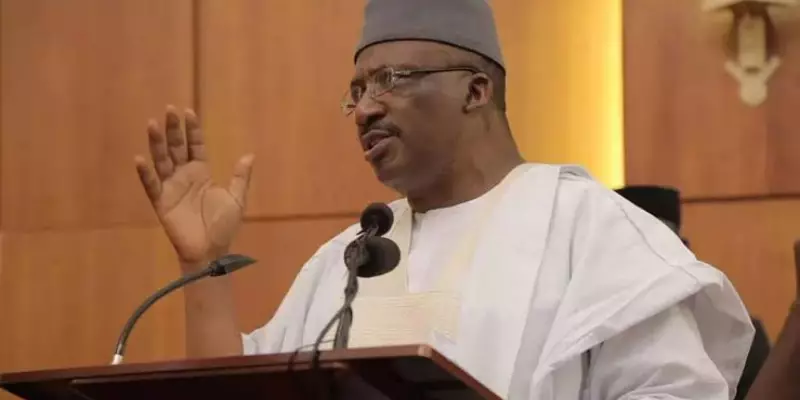
In a shocking revelation that highlights the deteriorating security situation in Northern Nigeria, former Chief of Army Staff Lieutenant General Abdulrahman Bello Dambazau has disclosed that bandits and insurgents have taken control of several communities where they now impose taxes and create their own laws.
The retired general, who also served as Minister of Interior, sounded this fresh alarm during his address at the First Media and Security Summit held in Birnin Kebbi, Kebbi State. The summit, which carried the theme "Existential Threats and National Security," provided a platform to examine how deeply insecurity has penetrated northern states over the past twenty years.
Northern Communities Under Criminal Control
General Dambazau painted a grim picture of the current reality, stating that bandits and insurgents have established full control over some communities in the region. "We have gotten to a situation where bandits and insurgents have taken some of our communities, taxing and making laws for them," he told attendees at the security summit.
The former army chief highlighted specific incidents that demonstrate the severity of the crisis, noting that people were killed in mosques across Katsina, Borno, Zamfara and Kano states. He emphasized that the North has endured multiple security challenges including herders/farmers clashes, terrorism, and widespread banditry.
Humanitarian Crisis and Government Inaction
The consequences of this security breakdown have been devastating for ordinary citizens. Dambazau revealed that thousands have been killed and millions displaced from their homes as a result of the violence. The situation has created a dramatic increase in the number of widows and orphans across the region.
Economic livelihoods have been equally devastated, with farmers losing their farms and herders having their cattle rustled. The retired general expressed frustration that these crimes occur "without action from state actors," suggesting government response has been inadequate.
Dambazau pointed to poverty as a major driver of the insecurity, noting that over 70 percent of those suffering from poverty caused by insecurity are from the Northern region. He identified religious extremism as a primary threat to security in northern Nigeria, which has enabled groups like Boko Haram, Lakurawa terrorists and various bandit factions to unleash violence on civilians.
Call for Concrete Solutions
The former army chief proposed several measures to address the root causes of the crisis. He urged northern governors to establish Ministries of Mineral Resources in their states to work with federal agencies in harnessing natural resources, expanding revenue streams, reducing poverty, and ultimately fighting the insecurity that thrives on deprivation.
Other recommendations included reviving the agricultural sector, restoring respect for traditional institutions, addressing the massive number of out-of-school children, and promoting social inclusion across the region.
The Sultan of Sokoto, Alhaji Muhammad Sa'ad Abubakar III, who also spoke at the event, reminded leaders that security requires collective responsibility. "We need to come together to talk with each other on how to solve this problem," the traditional ruler stated. "We were not like this before, Nigeria was not what it is today."
Nasarawa State Governor Abdullahi Sule echoed the need for unity, emphasizing that insecurity in the North West remains deeply troubling and must be confronted at its root causes, whether driven by climate change, poverty, or governance failures.
Kebbi State Governor Nasir Idris added that the summit provides a crucial avenue for northern leaders to openly discuss their shared challenges and chart a path toward lasting solutions to the security crisis threatening the region's stability and development.