The House of Representatives has sounded a major alarm concerning the perilous state of Nigeria's border security, revealing a shocking deficit in the nation's defence system.
A Disturbing Security Deficit
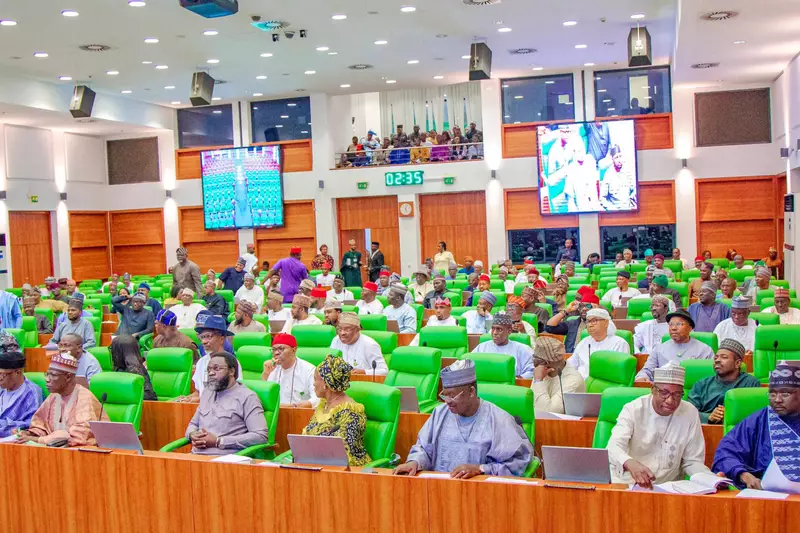
During the inauguration of the House Ad-Hoc Committee on Border Security in Abuja, its Chairman, Hon. Isa Anka, disclosed that a staggering 1,894 out of Nigeria's 1,978 official borders remain completely unmanned. He described this figure as disturbingly low, given the country's vast territory and current security challenges.
According to the detailed report, only 84 entry points have official security presence across Nigeria's extensive 36,450 kilometres of land and maritime borders. This situation, lawmakers argue, has left the nation dangerously exposed to a surge in criminal enterprises.
Consequences of Porous Borders
Hon. Anka issued a stern warning, stating that the country is increasingly vulnerable due to its porous borders. He highlighted a direct link to the rise in illegal arms proliferation, human trafficking, and drug smuggling.
He identified several core reasons for this critical weakness in border control:
- Inadequate funding for security agencies.
- The use of obsolete surveillance equipment.
- A severe shortage of security personnel.
- Difficult terrains including dense forests, rivers, deserts, and mountains.
Anka presented a troubling financial contrast, revealing that despite the Federal Government spending over N9 trillion on security in recent years, the expected significant improvement in national security has not materialized. He emphasized that securing the borders is fundamental to safeguarding Nigeria's sovereignty, territorial integrity, and the lives of its citizens.
A Call to National Duty
In his remarks, the Speaker of the House, Rt. Hon. Abbas Tajudeen, underscored the gravity of the committee's assignment. He described Nigeria's porous borders as both an economic and existential threat to the nation.
Speaker Abbas urged the committee to pursue a collaborative and transparent approach to strengthen the country's border security framework. He stressed the critical need for a unified operational strategy, enhanced intelligence sharing, and active community involvement in securing border areas.
He concluded by framing the task as a solemn call to national duty, urging the committee to work towards building stronger borders, enhancing national security, and securing the future of Nigeria.