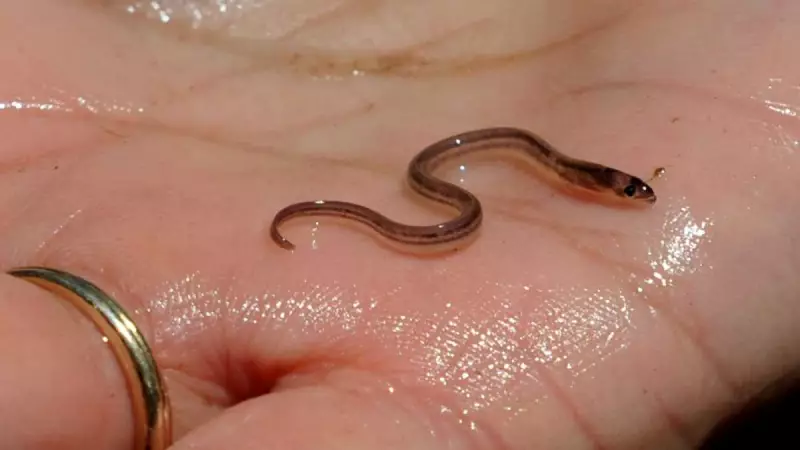
Criminal organizations terrorizing Haiti have discovered an unexpected source of revenue: the illegal trade of baby eels harvested from the country's rivers and estuaries. These translucent, worm-like creatures are fetching thousands of dollars in international markets, primarily supplying Asian demand for the delicacy.
The Lucrative Illegal Trade
Known locally as "Zangi," these American glass eels undertake an annual migration from the Sargasso Sea in the North Atlantic to coastal areas, including the island of Hispaniola shared by Haiti and the Dominican Republic. They enter rivers to mature before returning to sea to reproduce.
While European eel trade has been strictly controlled since 2009 under the CITES convention on endangered species, American eels remain less regulated despite being classified as endangered on the International Union for Conservation of Nature's Red List of Threatened Species.
Gangs Exploit Regulatory Gaps
Haiti has emerged as a key exporter of American eels in recent years, according to CITES data. The country is not a party to the CITES convention, creating regulatory gaps that criminal networks exploit. Ghada Waly, the outgoing head of the UN's drugs and crime office, revealed that "powerful political and economic figures in Haiti use the eel industry to launder drug profits."
UN experts monitoring sanctions have intensified scrutiny of fishermen, intermediaries, customs officers, and airlines involved in the trade. An October report criticized how the opaque and unregulated sector created "an ideal environment for criminals to launder money."
Environmental and Human Cost
The environmental impact is severe, with overfishing threatening the species' survival. Commercial fish farms cannot breed the species in captivity, making wild harvesting the only source.
Fishermen work in dangerous conditions, spending up to 12 hours barefoot in river mouths from 6 pm until sunrise without proper equipment. One fisherman from Bas-Limbe anonymously reported to UN investigators that he had seen hundreds of people hospitalized for various ailments including infections.
Despite the risks, the income remains attractive in Haiti's current crisis. Fishermen receive between 50 cents and $1.50 per kilogram, while exporters sell one gram (containing seven to ten eels) for $3.60 to $4.50 internationally.
The international community is taking action. The EU and Panama have proposed that CITES restrict trade of all eels during a meeting in Uzbekistan starting November 24. Haiti's Natural Resources Minister Vernet Joseph warned this could "penalize several stakeholders -- exporters in particular -- as well as poor and vulnerable small-scale fishermen" in Haiti.