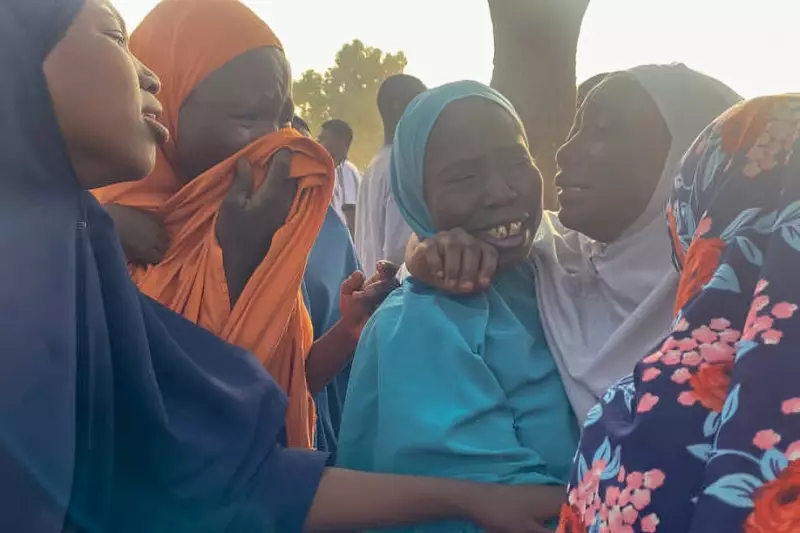
For more than eleven years, Nigerian students have attended classes carrying a burden no child should ever bear - the constant fear of being kidnapped from their schools. This national crisis began on the night of April 14, 2014, when 276 schoolgirls were violently taken from Government Girls Secondary School in Chibok, Borno State, marking the start of a devastating pattern of school abductions that has transformed education across northern Nigeria.
A Decade of Trauma and Missing Children
According to data from UNICEF and Save the Children, well over 1,600 schoolchildren have been kidnapped in Nigeria since the Chibok incident. The abductions have occurred in waves, with some carried out by terrorist groups driven by extremist ideologies, while others were executed by criminal bandits who view children as valuable bargaining chips for ransom payments.
The psychological impact has been devastating across multiple regions. Family members and friends live in perpetual anxiety for their loved ones' safety. Numerous schools across the North East, North West, and North Central regions have been forced to close indefinitely due to security concerns, while many remaining institutions operate under constant threat.
Comprehensive Timeline of Major School Abductions
The crisis has unfolded through numerous high-profile incidents that have shocked the nation and international community:
Chibok, Borno State - April 14, 2014: Boko Haram terrorists stormed Government Girls Secondary School, abducting 276 schoolgirls in an attack that sparked the global #BringBackOurGirls movement. More than a decade later, dozens of these girls remain missing, while those who returned came home profoundly changed, many with children born in captivity and all carrying deep psychological scars.
Dapchi, Yobe State - February 19, 2018: In an abduction strikingly similar to Chibok, 110 students were taken from their school. After negotiations, most girls were returned by the terrorists themselves, though tragically, five girls died from suffocation during transportation.
Kankara, Katsina State - December 11, 2020: Armed gunmen on motorcycles invaded Government Science Secondary School, abducting 344 students and marching them into the forest. They were released after several days of intense negotiations.
Jangebe, Zamfara State - February 26, 2021: Terrorists conducted one of the largest school kidnappings since Chibok, seizing more than 300 girls from Government Girls Secondary School. Survivors reported being forced to march through rough terrain, with those unable to continue being carried or threatened with execution.
Kuriga, Kaduna State - March 7, 2024: Gunmen riding motorcycles stormed LEA Primary and Secondary School during morning assembly, abducting over 200 children in a brazen daylight attack that highlighted the continuing vulnerability of educational institutions.
Kebbi State - November 17, 2025: In the most recent incident, gunmen attacked Government Girls Secondary School in Maga around 4 a.m., engaging police in a gunfight before scaling the perimeter fence and seizing twenty-five schoolgirls while killing a staff member.
Devastating Impact on Nigeria's Education System
The recurring mass abductions have created a national education emergency. Reports indicate significantly increased absenteeism rates, with statistics showing that one in three Nigerian children were out of school in 2022. Communities that once took pride in their educational institutions now grapple with the trauma of knowing that schools have become hunting grounds for kidnappers.
The crisis has forced state governments to take drastic measures. Niger State temporarily shut down all boarding schools following the Kagara abduction in February 2021, while many other northern states have implemented similar security measures that disrupt normal educational activities.
Urgent Need for Systemic Change
Nigeria cannot continue normalizing school abductions as inevitable occurrences. The solution requires more than government reactions to individual incidents - it demands comprehensive systemic reform.
School security, particularly in vulnerable northern communities, must be fundamentally strengthened through intelligence gathering, community watch programs, and deployment of trained security personnel. Educational institutions need proper fencing, surveillance systems, and reliable communication infrastructure.
Beyond physical security, the government must treat education protection as a national emergency. The current pattern of negotiation and ransom payments only emboldens perpetrators, creating a vicious cycle that must be broken through appropriate consequences for kidnappers.
Without decisive action, Nigeria risks creating generations of children deprived of education altogether. The country stands at a critical crossroads, facing the choice between breaking this devastating cycle or allowing the normalization of educational trauma to continue unchallenged.