A fascinating observation about the body language of the naval officer who confronted Federal Capital Territory Minister Nyesom Wike has captured national attention, revealing deeper insights into military discipline and protocol.
The Viral Confrontation That Sparked Analysis
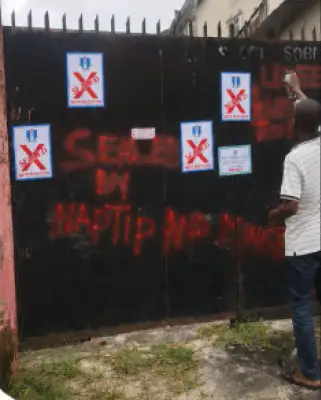
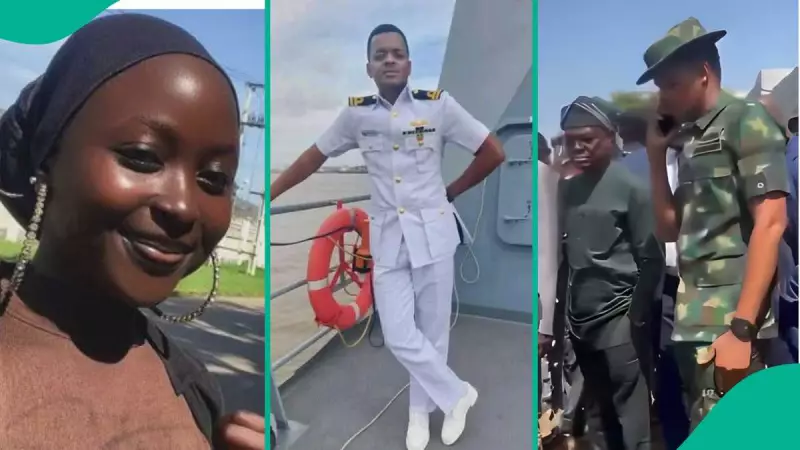
The incident occurred on Tuesday, November 11, 2025, when Minister Nyesom Wike visited a disputed parcel of land in Abuja. During the enforcement visit, a confrontation ensued between the minister and naval officer A.M. Yerima, who refused to flinch despite pressure from the powerful politician.
The video of the altercation quickly went viral across Nigerian social media platforms, with citizens analyzing every aspect of the exchange. Among the most insightful observations came from an X user identified as @itz_taser, who noticed crucial details in the officer's posture and body language that spoke volumes about military training and discipline.

Posture Analysis Reveals Military Protocol
According to the analysis shared on social media platform X, Officer Yerima demonstrated remarkable professionalism through his changing posture during different phases of the confrontation.
The observer noted: "When he was talking to Wike, his hands were in the pocket but immediately he collected the phone to talk to the CDS, he removed the hand and his posture changed even without seeing the CDS. That's how loyal and disciplined the military is."
This subtle shift in body language highlighted the officer's understanding of military hierarchy and protocol. While engaging with the minister, he maintained a confident stance, but when addressing the Chief of Defence Staff (CDS), he immediately adopted a more formal and respectful posture, demonstrating his training and respect for the chain of command.
Social Media Reactions and Broader Implications
The observation sparked widespread discussion across Nigerian social media, with users expressing diverse opinions about the incident and its implications.
User @_ErBuKaH_ commented on the consistency of the analysis, while @iam_phavourite questioned the motivations behind some social media commentary. The discussion even veered into gender dynamics, with @tolu225 noting: "Yes, that's true, much of the disrespect women show is a reflection of how men have treated them."
Some commentators, like @MeetAlison, saw broader political implications: "Nigerians seem to miss the message in that Wike/Officer altercation today: many in the inner circle of the govt don't like Nyesom Wike. That officer's body language spoke volumes."
Military Experts Weigh In
The incident drew commentary from military leadership as well. Former Army Chief Tukur Buratai commented on the confrontation through a Facebook post, suggesting that Minister Wike might have "gotten it wrong" in his approach to the uniformed officer.
Buratai emphasized that "public disparagement of a uniformed officer of the Nigerian Armed Forces" by the minister represented more than ordinary misconduct. He characterized it as a potential threat to the integrity of military institutions and national security.
The former army boss's intervention highlighted the seriousness with which the military establishment views such public confrontations with its personnel, particularly when they involve political figures.
Broader Context and Public Sentiment
The viral incident occurs against a backdrop of ongoing discussions about civil-military relations in Nigeria. The detailed analysis of Officer Yerima's posture reflects public interest in understanding military culture and protocol.
Additional context emerged from a former schoolmate of Officer Yerima, who shared insights about the naval officer's character and what he was known for during his earlier years, though specific details weren't elaborated in the original report.
The public's meticulous examination of the officer's body language demonstrates how Nigerians are increasingly attentive to non-verbal communication in political and military interactions, seeking to understand power dynamics beyond spoken words.

As the conversation continues to evolve, the incident serves as a case study in military discipline, political authority, and public perception in contemporary Nigerian society.