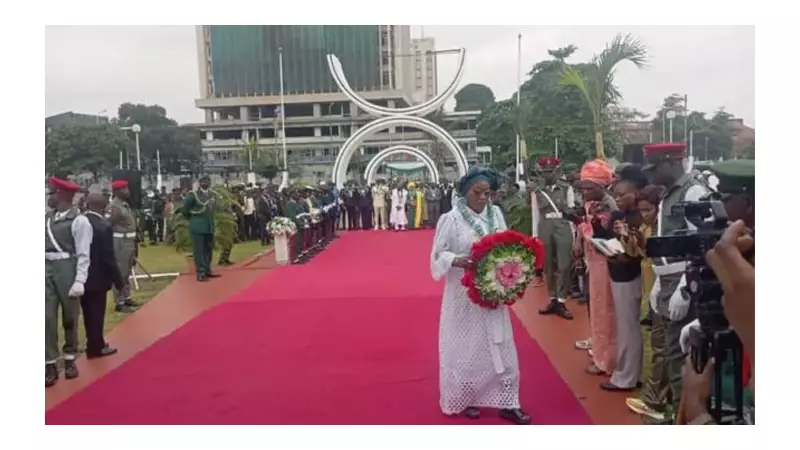
During the solemn wreath-laying ceremony for the Armed Forces Remembrance Day, the poignant cries of military widows overshadowed the tributes, as they voiced deep feelings of abandonment by the authorities. The event, held at Tafawa Balewa Square on Victoria Island, Lagos, on January 15, 2026, became a platform for these women to highlight their prolonged suffering amid Nigeria's economic challenges.
A Decade of Unpaid Entitlements and Struggle
Mrs. Helen Amodu, the Coordinator of the Military Widows Association in Navy Town and wife of the late Captain F.E. Amodu, shared her distressing story. She revealed that her husband's group life insurance benefit has remained unpaid for over ten years since his death. Amodu described the dual hardship of navigating civilian life after being required to leave the barracks and the relentless financial strain of raising children alone.
"Being the widow of a military personnel is not easy," Amodu stated. "Facing civilian life outside the barracks is not easy; that is why we decided to come together to form an association in order to help ourselves." She lamented that even the occasional government palliatives are often delayed, forcing the widows to "beg and cry out" before receiving any response.
Pleas to Authorities Fall on Deaf Ears
Amodu detailed her futile efforts to secure what is rightfully hers, having written numerous letters to the appropriate authorities, including the office of the Chief of Naval Staff. "At the very least, his insurance is an entitlement and should be paid to his family," she argued. "This would go a long way in alleviating the suffering and pain we feel after losing our provider." She joined other widows in a public plea for the resolution of this systemic issue of non-payment of deceased soldiers' insurance policies.
Another widow, Mrs. Yemi Enoch, who lost her husband seven years ago, echoed the sentiment. While appreciating the remembrance ceremony, she stressed that more concrete support is needed for the families left behind. "Some of us have children who are still in school or who have just left school, and mouths to feed; so whatever help we can get will be appreciated," Enoch said.
Legion's Palliative Efforts and Future Plans
In response to the widows' plight, Mr. Akeem Wolimoh, Chairman of the Nigerian Legion in Lagos State, outlined the support provided by the veterans' body. He confirmed that the Legion distributes palliatives annually with consistent support from the Lagos State Government. For this year, Governor Babajide Sanwo-Olu donated 500 bags of 25kg rice and other food items, scheduled for distribution in February.
"Since I came into office four years ago, I have distributed rice, live chickens and other food items every year to widows and veterans in need," Wolimoh stated. He noted that there are currently 387 registered widows under their care. Furthermore, he mentioned ongoing plans to empower the children of these widows through educational trust funds, indicating a long-term approach to supporting the families of fallen heroes.
The stark contrast between the official ceremonies honouring the dead and the ongoing neglect of their living families cast a long shadow over the 2026 Armed Forces Remembrance Day, highlighting a critical gap in the nation's duty of care to its military heroes.