The 2026 Armed Forces Remembrance Day ceremony in Abuja, a solemn event to honor Nigeria's fallen military heroes, became a focal point for questions about leadership and accountability due to the notable absence of key political figures.
Ceremony Overshadowed by Absences
President Bola Tinubu and the Minister of the Federal Capital Territory, Nyesom Wike, were both missing from the national wreath-laying event held at the cenotaph of the Unknown Soldier in Eagle Square on January 15, 2026. No official explanation was provided for their non-attendance at the high-profile ceremony, which traditionally features the nation's top leadership.
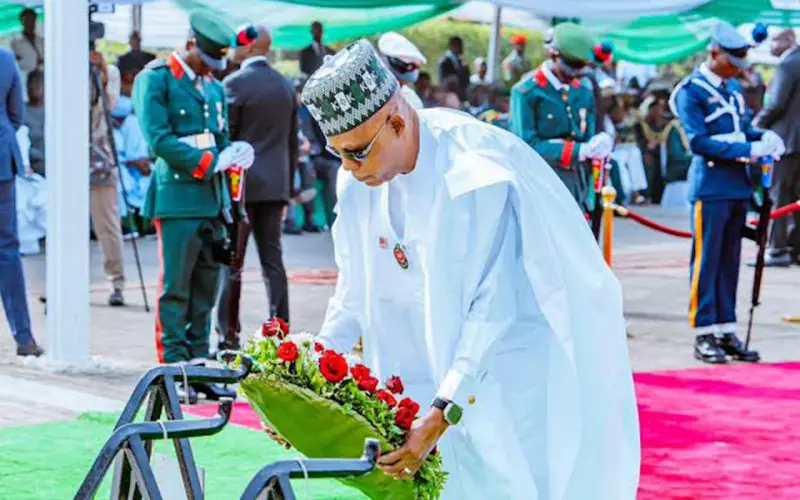
Vice President Kashim Shettima led the proceedings, laying a wreath on behalf of the federal government. Other high-ranking officials present included the President of the Senate, Godswill Akpabio; the Speaker of the House of Representatives, Tajudeen Abbas, represented by his deputy, Benjamin Kalu; and the Chief Justice of Nigeria, Kudirat Kekere-Ekun.
The Minister of State for the FCT, Mariya Mahmoud Bunkure, arrived late and was initially denied access to the saluting dais by protocol officials. She later joined other dignitaries in laying a wreath. Speculation surrounded Wike's absence, with sources suggesting it may be linked to a publicized confrontation with a naval officer over a land dispute in Abuja's Gaduwa District in November 2025.
Political Reactions and Criticism
The African Democratic Congress (ADC) strongly criticized President Tinubu's absence. In a statement by its spokesman, Bolaji Abdullahi, the party described the President's unavailability as "disturbing" and argued it sends the wrong signal to troops deployed against insurgency and banditry across Nigeria.
"The physical and moral presence of the Commander-in-Chief is a powerful symbol of solidarity with troops and military families," the ADC stated. The party insisted that leadership in times of crisis should not be delegated, especially on a day meant for reflection and national unity.
The Peoples Democratic Party (PDP), in a statement by its National Chairman, Kabiru Tanimu Turaki, used the occasion to commiserate with families of fallen soldiers and call for improved welfare and adequate funding for the nation's security agencies. The party emphasized that enhanced welfare packages are imperative to boost morale within the armed forces.
Military Leadership Reaffirms Resolve
Amid the political discussions, the Chief of Defence Staff (CDS), General Christopher Musa, reaffirmed the military's commitment. Speaking at the Armed Forces Celebration and Remembrance Day regimental dinner, Musa stated that the Armed Forces of Nigeria remain resolute in the fight against terrorism and all forms of criminality threatening the nation's peace.
He emphasized a "whole-of-society approach" to security, stressing the need to build strong relationships with local communities and foster collaboration with sister security agencies. The CDS honored the bravery of servicemen and women, noting that the nation's freedom is built on their sacrifices.
The Minister of Defence, Mohammed Badaru, described the day as more than a ceremonial event, calling it the heartbeat of Nigeria's military heritage. He praised troops for confronting complex asymmetric threats with courage and professionalism under demanding conditions.
State-Level Commemorations and Commitments
In Ogun State, Governor Dapo Abiodun reiterated his administration's commitment to improving the welfare of families of deceased soldiers. Represented by his deputy, Mrs Noimot Salako-Oyedele, at a ceremony in Abeokuta, the governor pledged continued support for veterans and honored the patriotism of fallen heroes.
The national ceremony in Abuja included traditional elements: artillery gun salutes, the firing of volleys, a minute of silence, and the symbolic release of pigeons to signify peace and national unity. The event underscored the ongoing sacrifices of the military amid Nigeria's persistent security challenges, even as the absence of its top political leaders sparked a national conversation about the symbolism of leadership.