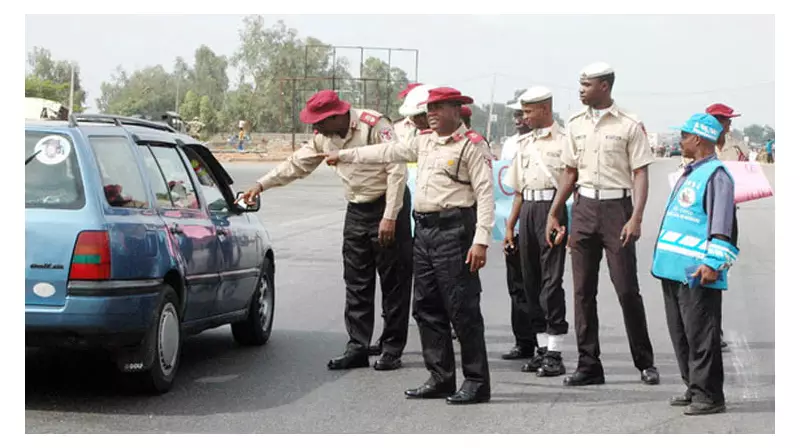
The Federal Road Safety Corps (FRSC) has renewed its pledge to drastically lower the number of road traffic crashes and deaths across Nigeria. The agency is calling for a stronger alliance between government policy makers, automobile manufacturers, and the public to create safer highways for everyone.
Shared Responsibility for Safer Roads
Speaking at an industry gathering in Lagos on 16 January 2026, the Sector Commander of the FRSC Lagos State Command, Kehinde Hamzat, emphasized that road safety is a collective duty. Representing the Corps Marshal, Shehu Mohammed, Hamzat stated that this goal requires solid policies, modern technology, and educated road use.
He praised industry stakeholders, particularly the media, for their essential part in shaping public attitudes and raising safety awareness. "Your writing influences consumers, manufacturers and policymakers alike," Hamzat noted, highlighting the critical timing as the number of vehicles on Nigerian roads keeps growing.
The Five UN Pillars to Zero Fatalities
Commander Hamzat detailed the five core pillars of the United Nations Decade of Action for Road Safety, which he described as the blueprint for eliminating deaths on Nigerian roads.
The first pillar is Road Safety Management, which centres on implementing effective laws and policies to prevent crashes.
The second is Safer Roads and Mobility. This involves designing forgiving road infrastructure that can minimize serious injury even when a collision happens.
Hamzat also took a moment to correct terminology, stressing that most so-called "accidents" are actually preventable "crashes" caused by human error.
Intelligent Vehicles and Educated Users
The third pillar focuses on Safer Vehicles. Hamzat strongly advocated for the production and adoption of intelligent vehicles with advanced safety systems like automatic emergency braking, sensors, and reverse alerts. "Human life cannot be quantified. Vehicles must be built to forgive human errors," he asserted.
The fourth pillar is Safer Road Users. No matter how advanced cars and roads become, ultimate safety rests on the knowledge, discipline, and responsibility of every driver, rider, and pedestrian.
The fifth and final pillar is Post-Crash Response. This ensures the availability and quick access to emergency healthcare during the critical "golden hour" after a crash to save lives.
Hamzat concluded that the effective implementation of these five strategies would reduce traffic crashes and fatalities to the barest minimum. He reaffirmed the FRSC's commitment to partnering with all stakeholders to enhance traffic safety and promote a culture of responsible driving nationwide.