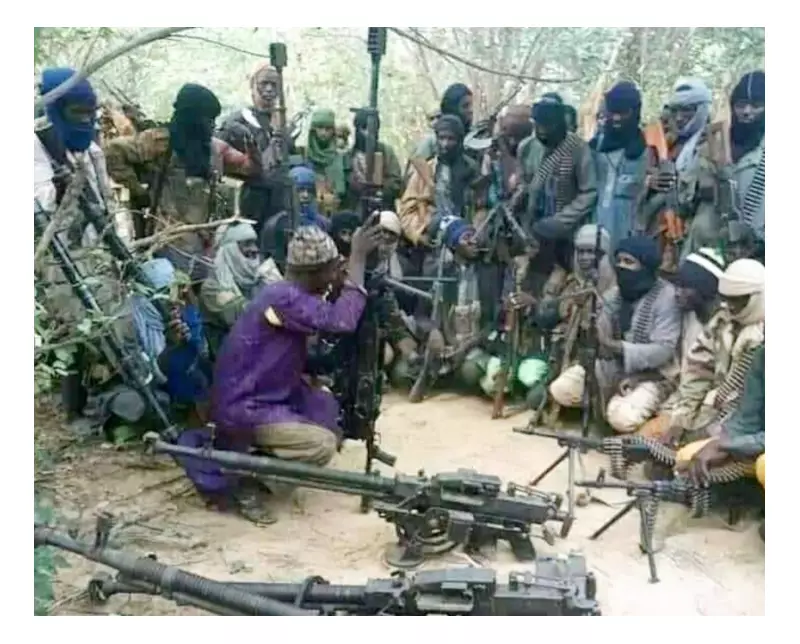
The Civilian Joint Task Force (CJTF) has made a bold declaration that it possesses the capability to completely eliminate banditry and widespread insecurity across Nigeria within just one year, provided the federal government supplies necessary advanced technology and operational support.
Intelligence Knowledge Without Equipment
Kailani Muhammad, the national chairman of the CJTF, revealed during the weekend in Abuja that the civilian security force already has comprehensive intelligence about the exact locations and hideouts of criminal groups operating throughout the country.
The crucial limitation preventing effective action remains the lack of sophisticated equipment needed to confront these armed elements directly. Muhammad emphasized that CJTF operatives know precisely where bandits are hiding in various affected states but cannot act decisively without proper government backing.
Direct Appeal to President Tinubu
Muhammad issued a strong challenge to the administration, urging President Bola Tinubu to establish a clear one-year deadline for all service chiefs to collaborate with the CJTF in eradicating nationwide insecurity.
"If actually we mean business, we know, even in the states where all these things are happening, we know their locations, we know where they are," Muhammad stated confidently during his address.
He proposed that security chiefs should sign a formal undertaking committing to work with the CJTF to wipe out insecurity within the specified timeframe, with resignation as the consequence for failure to deliver results.
Specific Technological Requirements
The CJTF leader outlined concrete equipment needs that would enable the force to effectively combat criminal elements. These include advanced surveillance systems, comprehensive CCTV coverage, and artificial intelligence tools similar to those used in Mexico and the United States.
Muhammad specifically suggested positioning surveillance technology approximately 100 kilometers from border areas to monitor the movement of armed groups. He highlighted Nigeria's extensive border vulnerability, noting approximately 2,000 informal entry and exit routes used by criminals.
"We have AI now," Muhammad remarked, emphasizing the importance of leveraging modern technology in security operations.
International Support and Collaboration Calls
The statements came during an event where the CJTF received a certificate of partnership as chairman of the West African Joint Task Force from Charles Omini, a special envoy and ambassador to West Africa for the International Human Rights Protection Service/Forum.
Omini echoed the need for enhanced cooperation among security agencies and greater reliance on technological solutions to address Nigeria's complex security challenges. He stressed that no single agency can successfully combat insecurity alone.
"I call on the security heads at all levels to come up with very strong strategic collaborations and partnerships with the relevant agencies and organizations," Omini stated. "We're in a global and digital world. I appeal to security agencies to engage more of advanced technology to combat these challenges."
The international representative also made a direct appeal to armed groups, demanding an immediate end to violence and kidnappings across the country. "For how long are they going to do this?" he questioned. "We are appealing to them, these killings and kidnapping must stop. Enough is enough."
The CJTF's strong position comes amid persistent security challenges nationwide, with banditry, kidnapping, and other criminal activities continuing to affect numerous communities despite various government security initiatives.