
The Central Bank of Nigeria and leading economic experts have sounded an alarm about the critical need for better coordination between the country's monetary and fiscal policies, identifying policy contradictions as a primary driver of macroeconomic instability.
Policy Misalignment Fuels Economic Challenges
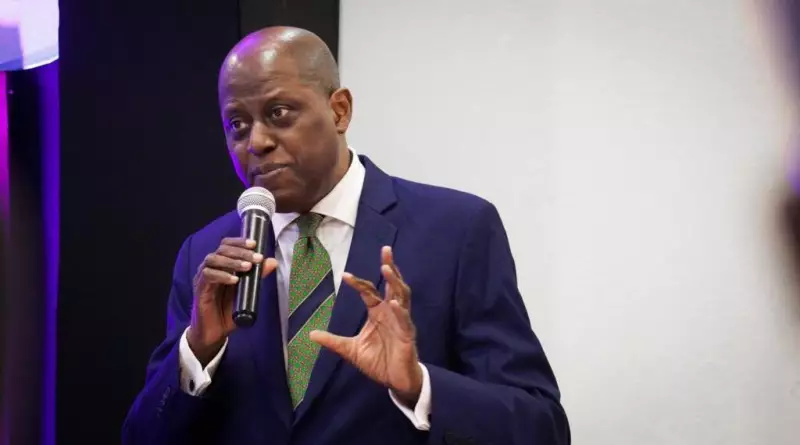
Speaking at the Finance Correspondents Association of Nigeria seminar in Lagos, Dr Afangideh Johnson, Assistant Director in the CBN's Monetary Policy department, delivered a powerful presentation on aligning monetary and fiscal policies for a robust financial system.
Dr Johnson emphasized that both policy arms collectively determine Nigeria's macroeconomic conditions, directly influencing inflation rates, exchange rate stability, interest rates, and overall financial system health.
He warned that when monetary and fiscal authorities work at cross-purposes, the economy inevitably suffers from rising prices, volatile exchange rates, and increased investor uncertainty that undermines growth prospects.
New Framework for Economic Reset
Professor Ken Ife, Chief Economic Strategist at the ECOWAS Commission, acknowledged that Nigeria's economic authorities are now moving to reset the country's economic direction through a comprehensive new framework.
The ambitious plan aims to restore price stability, reduce inflation, strengthen the financial system, and improve debt management practices that have plagued the economy in recent years.
Professor Ife highlighted that Nigeria previously faced severe economic pressures stemming from fiscal dominance, deficit monetization, and inconsistent policy implementation. These forces significantly undermined the Central Bank's ability to control inflation and stabilize the naira.
CBN Independence and Data-Driven Approach
At the core of the new economic push is a renewed insistence that the CBN must return firmly to its core mandate of maintaining price stability and ensuring a sound, resilient financial system.
A key feature of this approach is ensuring the CBN's unfettered independence, where monetary policy decisions, including adjustments to the Monetary Policy Rate, must be strictly guided by data rather than political pressure.
Professor Ife pointed to the US Federal Reserve's resistance to political influence during the 2020 election cycle as an example of the global best practices Nigeria should emulate.
Positive Developments in External Sector
The economic strategist also recognized recent improvements in Nigeria's external position, including the significant move to reroute NNPC Limited's revenues through the Central Bank.
Additional positive developments include rising crude oil output and increased refined-product exports from the Dangote Refinery, which are expected to contribute significantly to exchange rate market stability.
Professor Ife highlighted that the newly introduced Forex Code is designed to enhance transparency in the foreign exchange market, deepen the effectiveness of the managed float system, and attract greater inflows from foreign portfolio investors, diaspora remittances, and exporters.
The consensus among experts at the seminar was clear: without proper alignment between Nigeria's monetary and fiscal policies, achieving sustainable economic stability will remain an elusive goal. The current push for coordination represents a crucial step toward addressing the fundamental structural issues that have hindered Nigeria's economic progress.




