Tinubu Reforms: Macro Stability Amid Economic Survival Strain
Three years after President Tinubu's economic reforms, macroeconomic indicators show recovery, but Nigerians face rising costs and weak purchasing power.

Three years after President Tinubu's economic reforms, macroeconomic indicators show recovery, but Nigerians face rising costs and weak purchasing power.
An in-depth look at how fiscal opacity, hidden budgets, and data manipulation threaten Nigeria's economic stability and democratic trust.
Enugu and Abia states push multimodal transport integration, but residents cite livelihood losses, inadequate compensation, and neglect of other sectors.

Discover the income thresholds for being considered rich in Nigeria. Earning ₦2 million monthly places you among the top earners. Learn more.

NELFUND refutes fake reports of student upkeep suspension, warns against AI-generated misinformation, and confirms continued disbursement.

Nigeria loses ₦15 billion daily due to electricity infrastructure vandalism. This crisis of poverty, crime, and policy failure demands urgent action.
CPPE praises Nigeria's 3.89% Q1 2026 GDP growth but warns reliance on commerce is unsustainable, calling for deeper industrialisation and value addition.

ECOWAS forecasts Nigeria could become the world's fifth richest country within 50 years, driven by regional trade expansion and economic reforms.
)
SBM Intelligence ranks Kano as the best state to raise a family in Nigeria, surpassing Lagos and Abuja. Cross River comes last in the eight-state assessment.
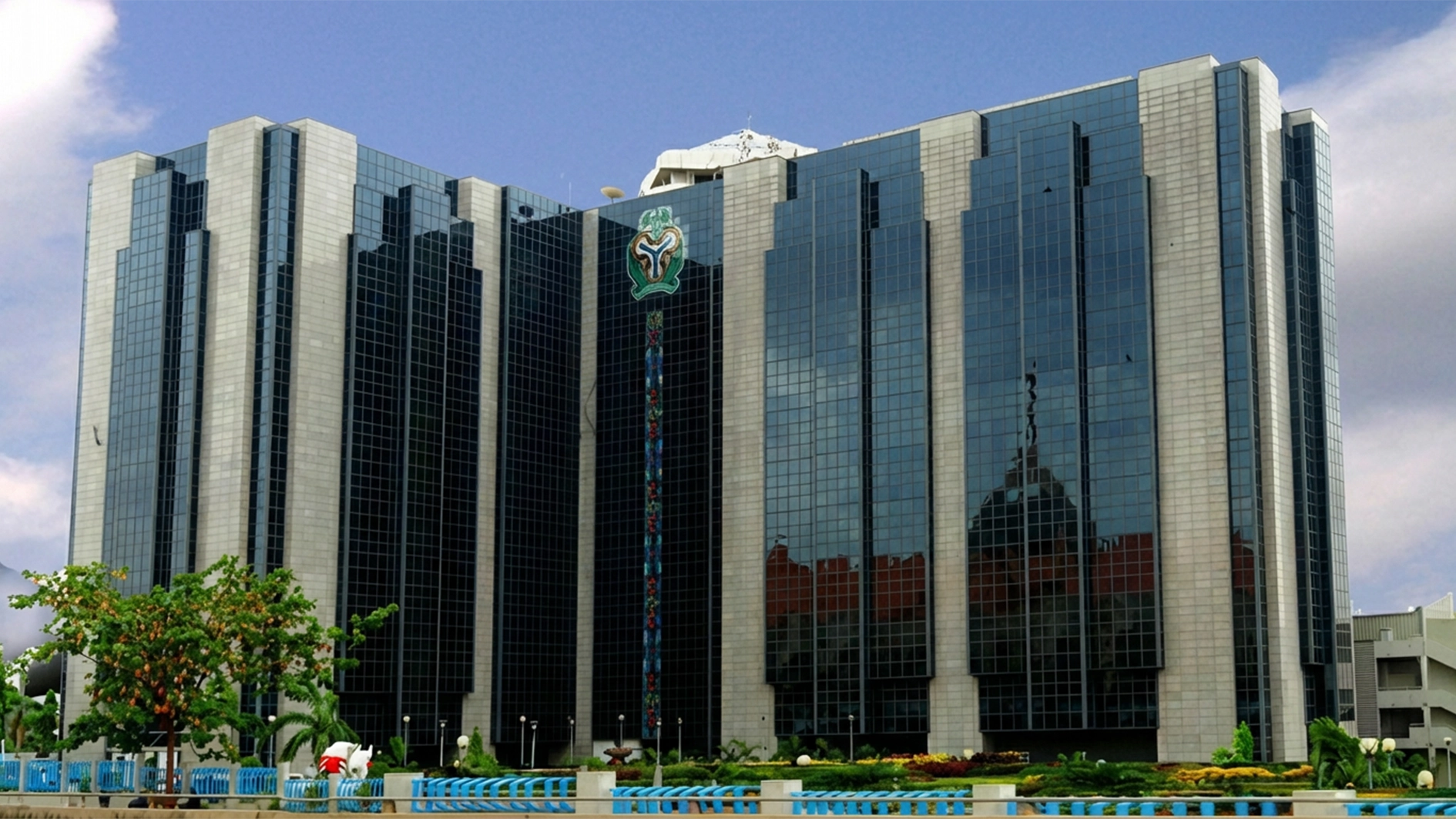
The Central Bank of Nigeria has paused interest rate cuts due to global disinflation risks and economic uncertainties, signaling caution in monetary policy.
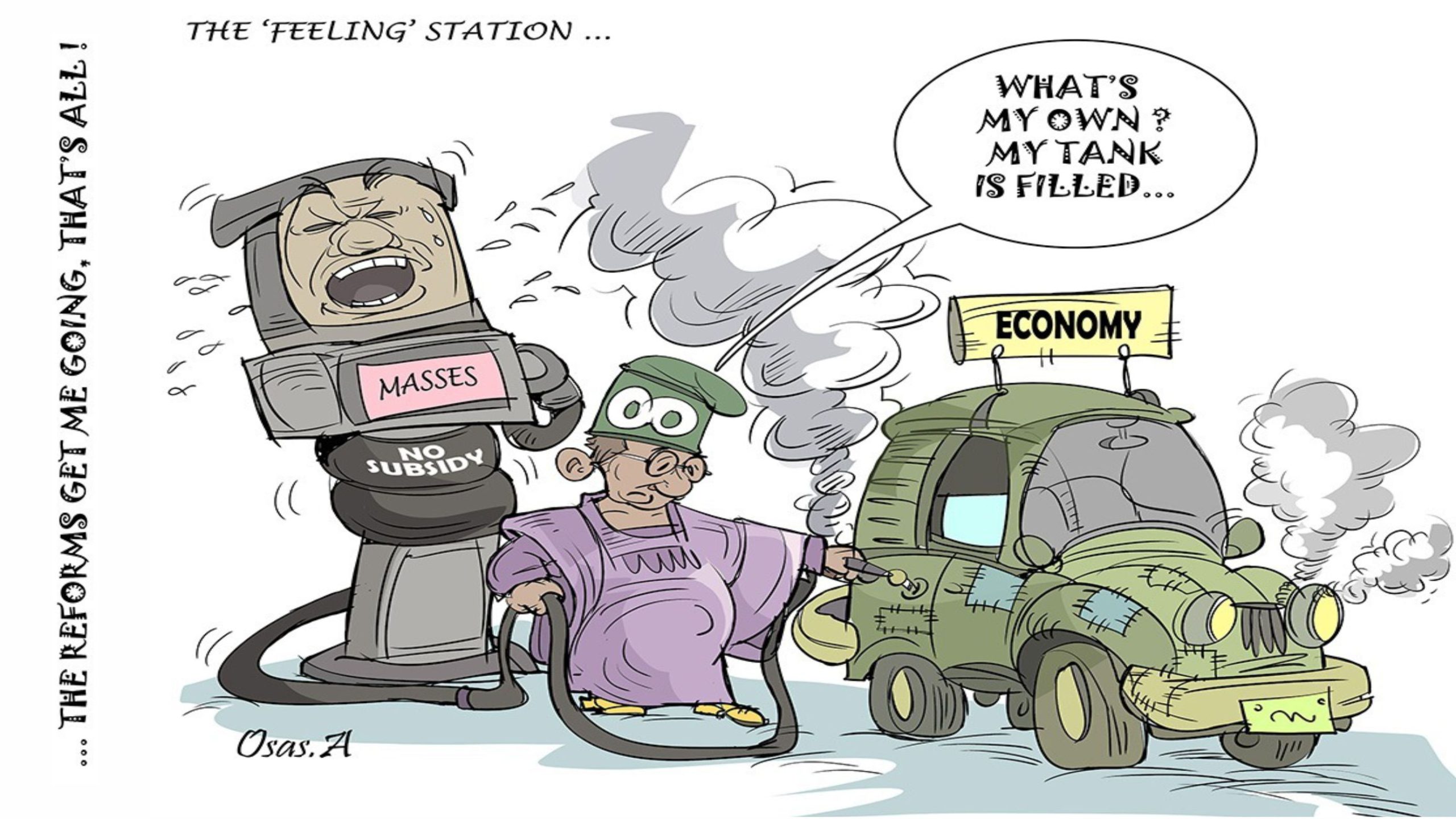
A Guardian cartoon satirizes Nigeria's economic challenges, highlighting inflation, unemployment, and currency devaluation with sharp wit.
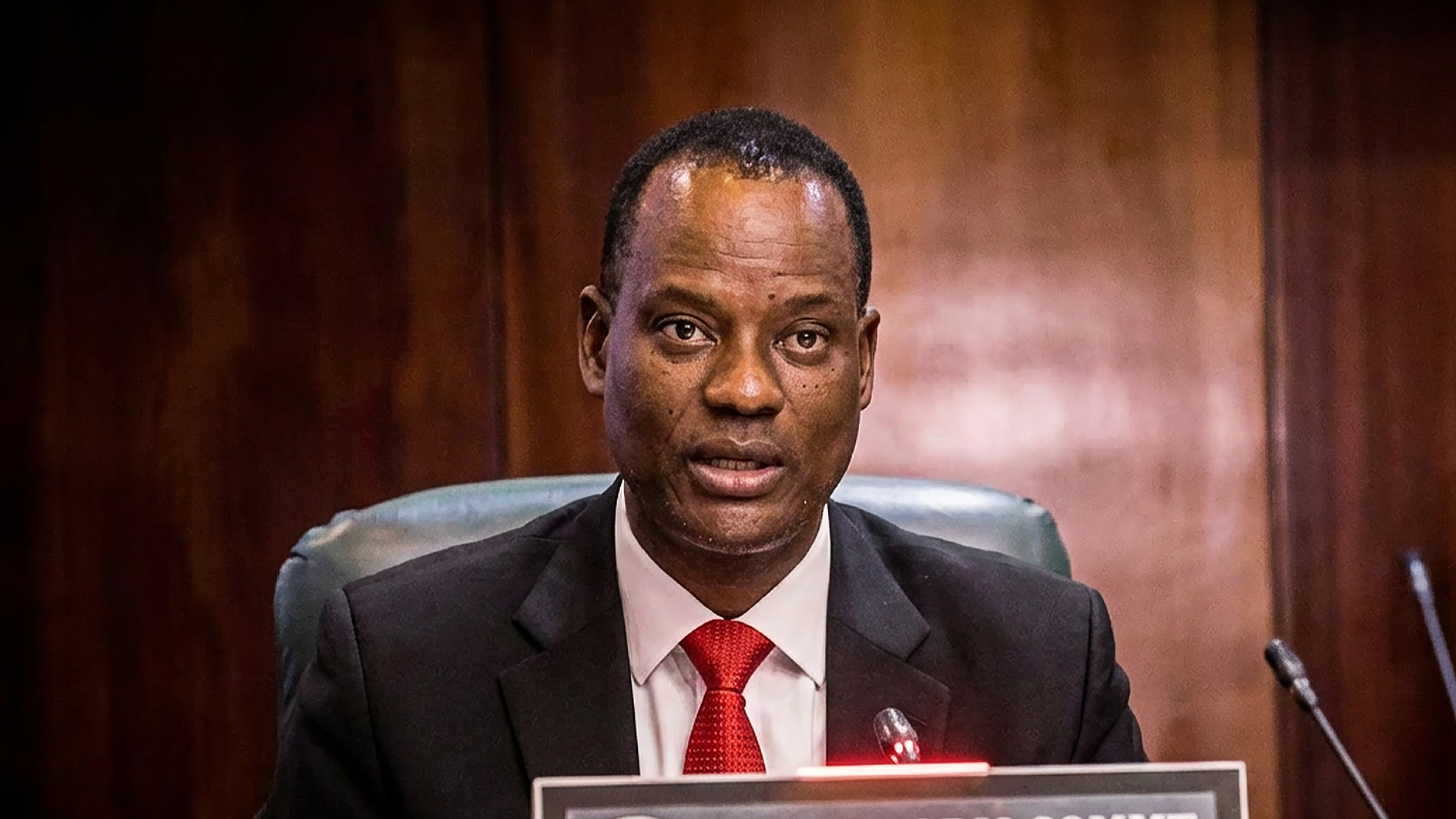
Nigeria's economic governance is threatened by the NBS failure to publish labor data and Budget Office non-disclosure of reports, undermining transparency and trust.
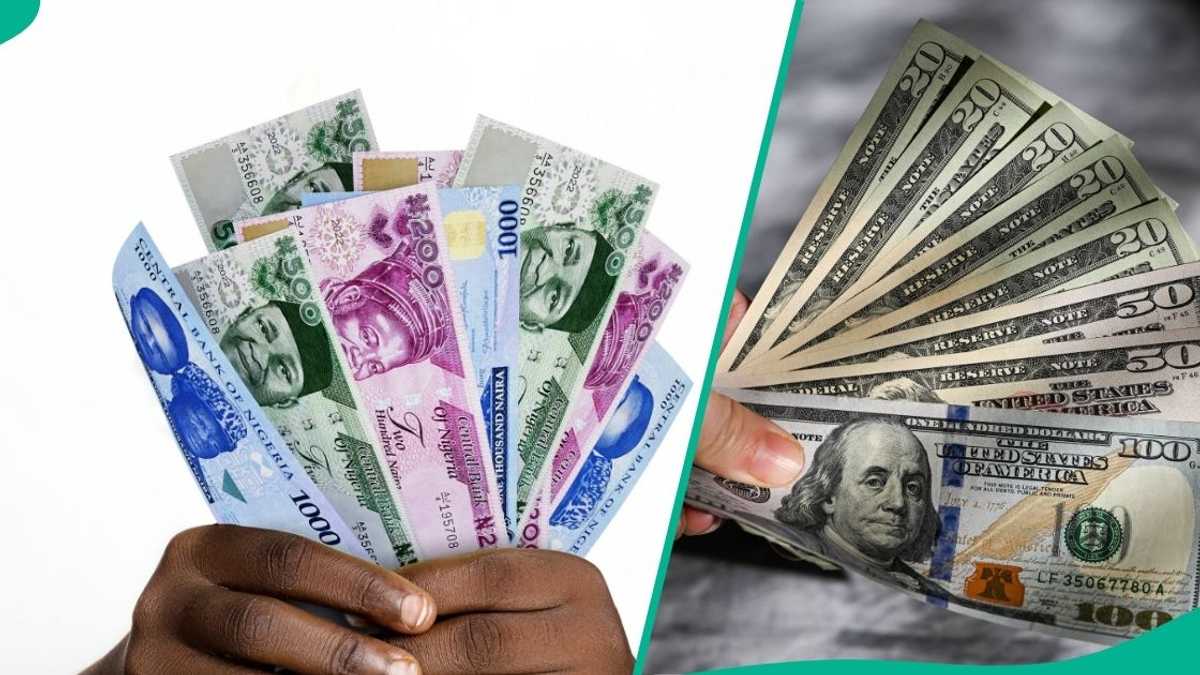
The naira appreciated 1.42% in April, closing at N1,361.51/$ as CBN injected N9.71 trillion via OMO bills to stabilize the currency and curb volatility.

Dangote Refinery has reversed its diesel price cut, raising the ex-depot cost from N1,600 to N1,700 per litre effective May 27, 2026, to protect coastal traders amid rising global crude oil prices.
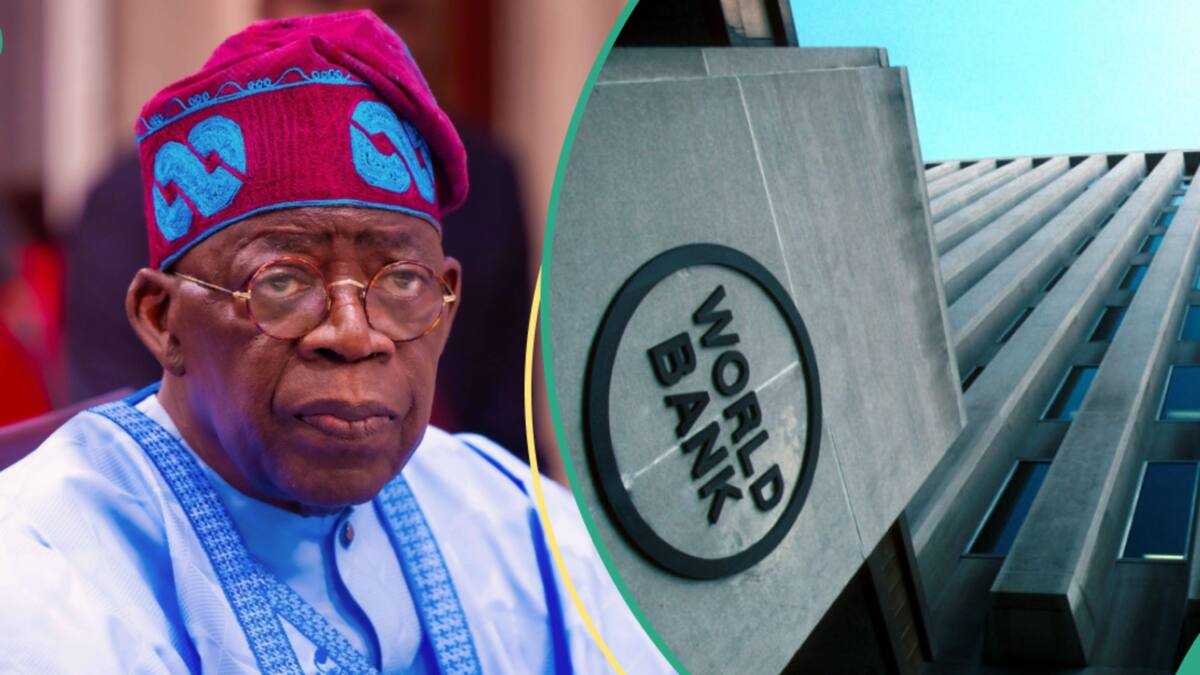
Nigeria and World Bank cancel $717.7 million power sector loan amid crisis. Experts blame poor policy coordination and implementation failures.
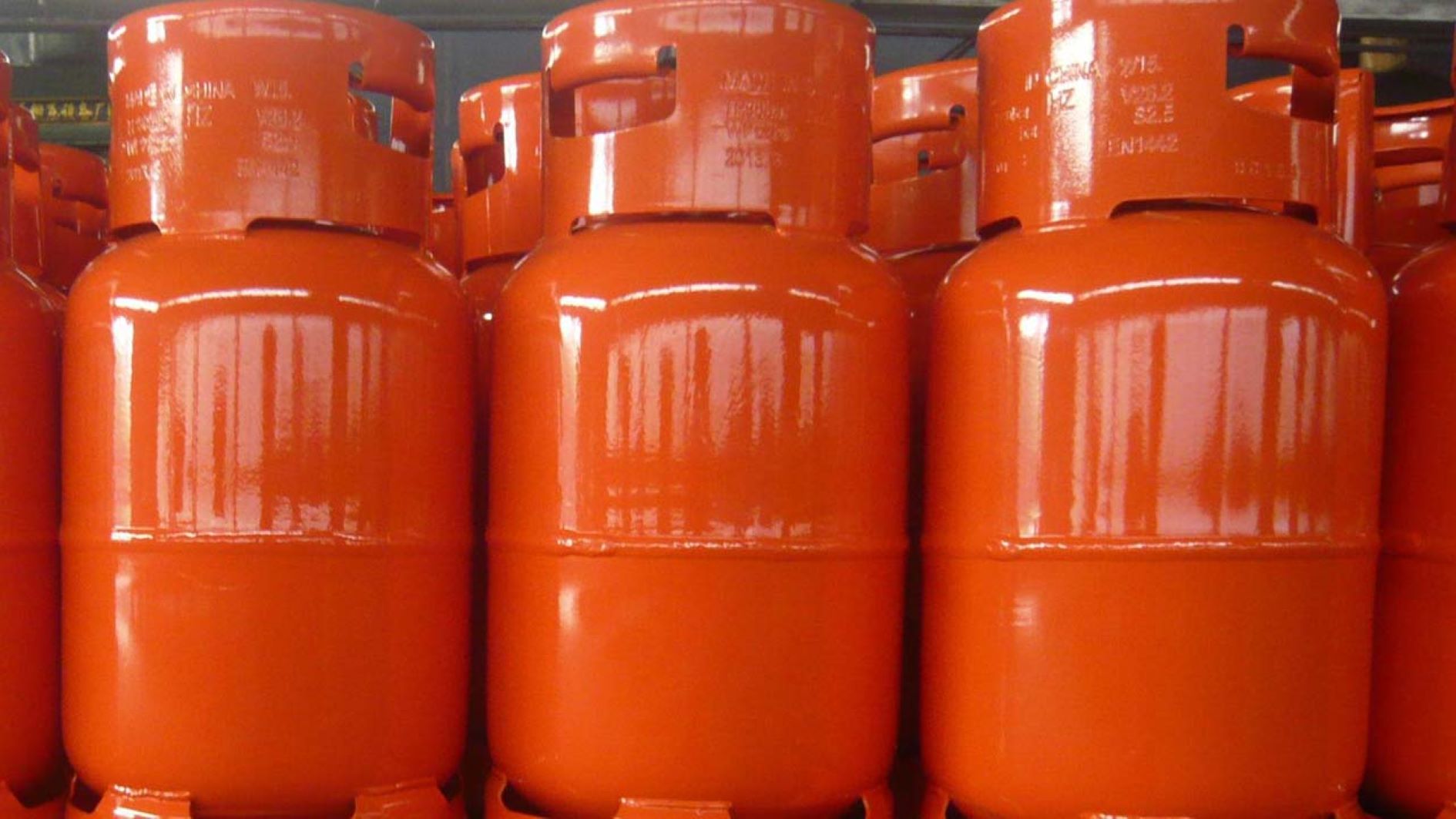
Cooking gas prices soar to N2,000 per kg in Nigeria, forcing families to ration usage and adjust meal plans amid rising costs.
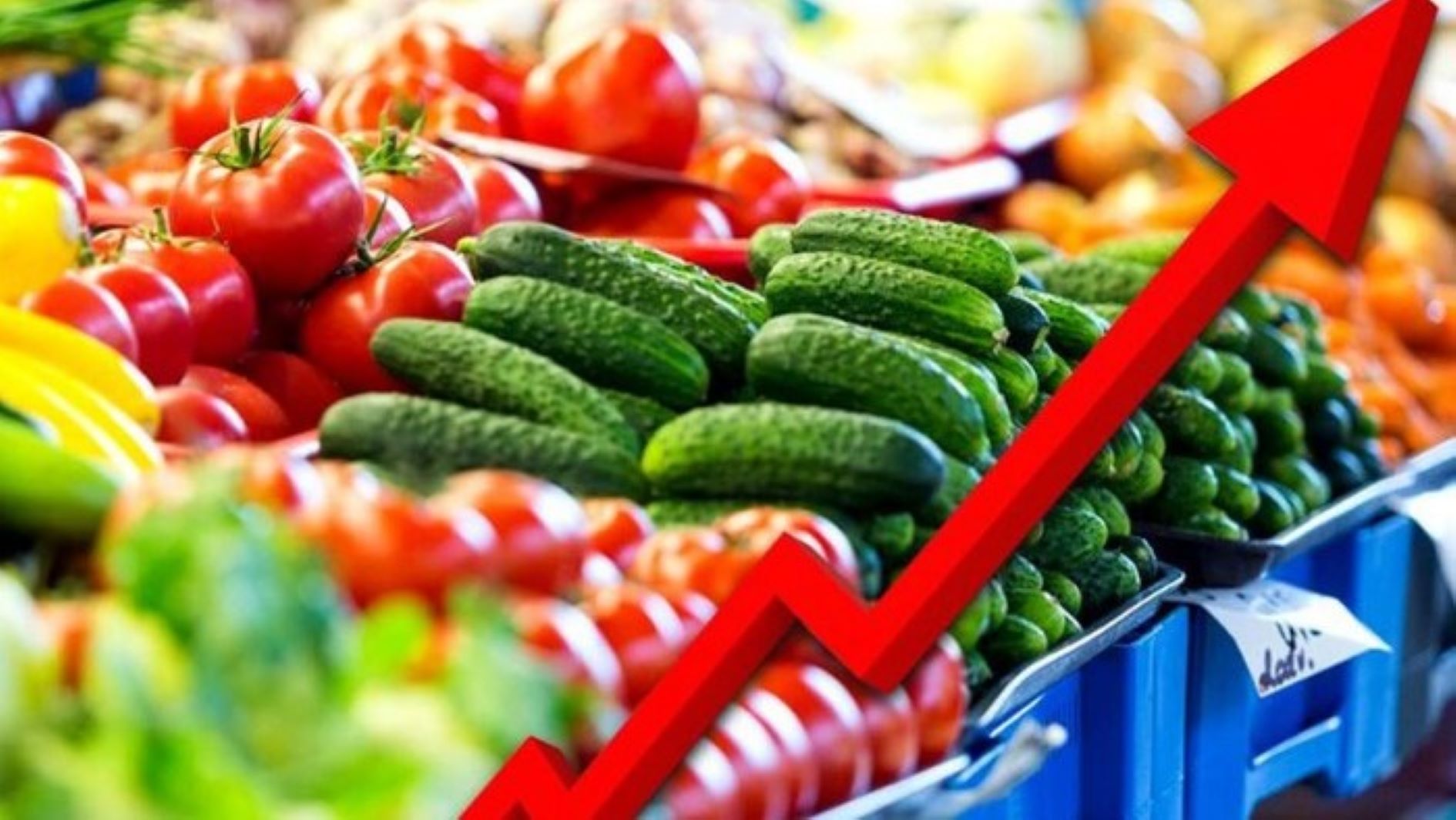
The cost of a healthy diet in Nigeria has risen by 119% since fuel subsidy removal in 2023, now at N1,541 daily per adult, driven by animal source foods and inflation.
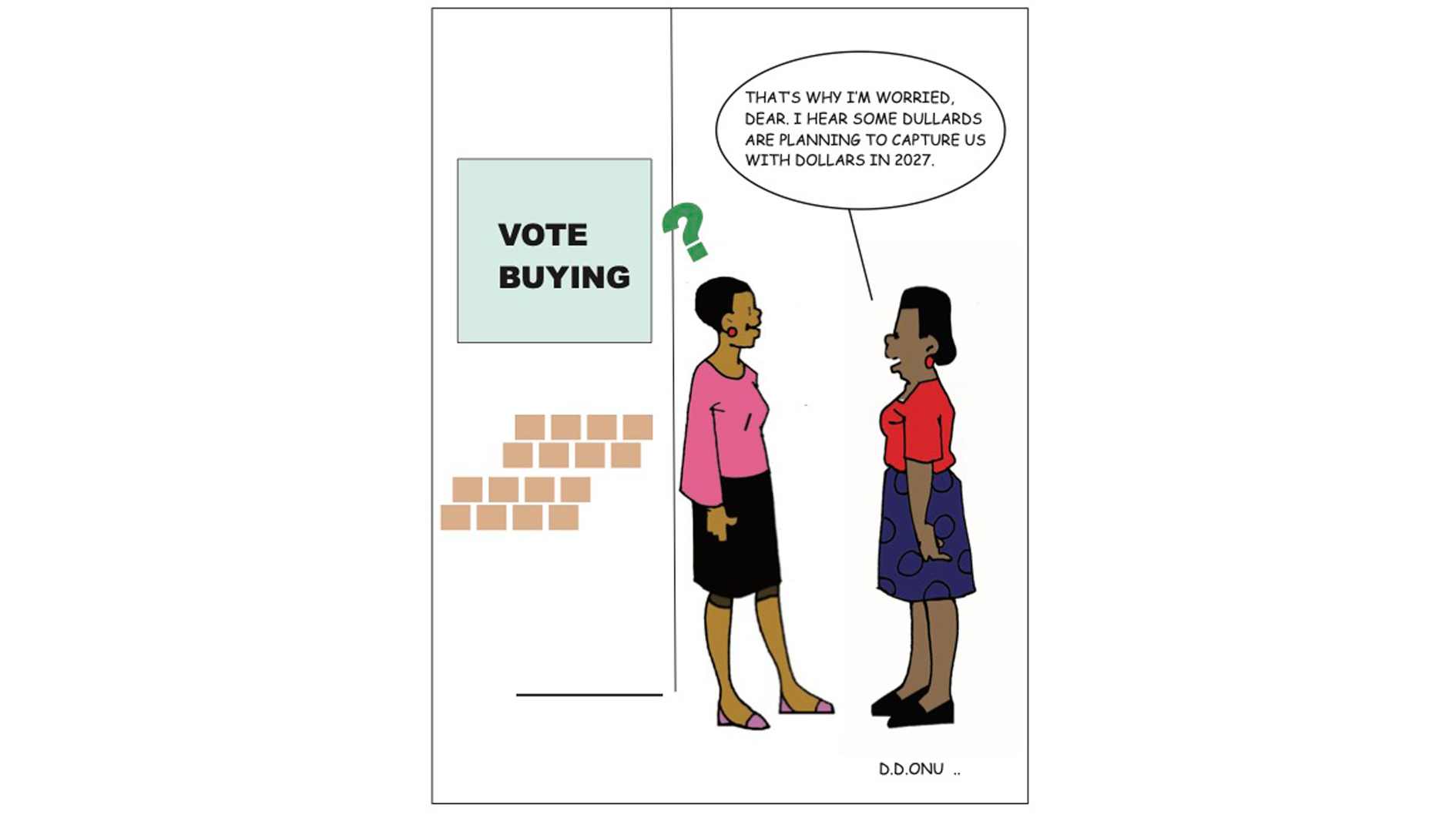
Nigeria faces economic hurdles including inflation and unemployment, but recovery is possible through policy reforms and diversification.
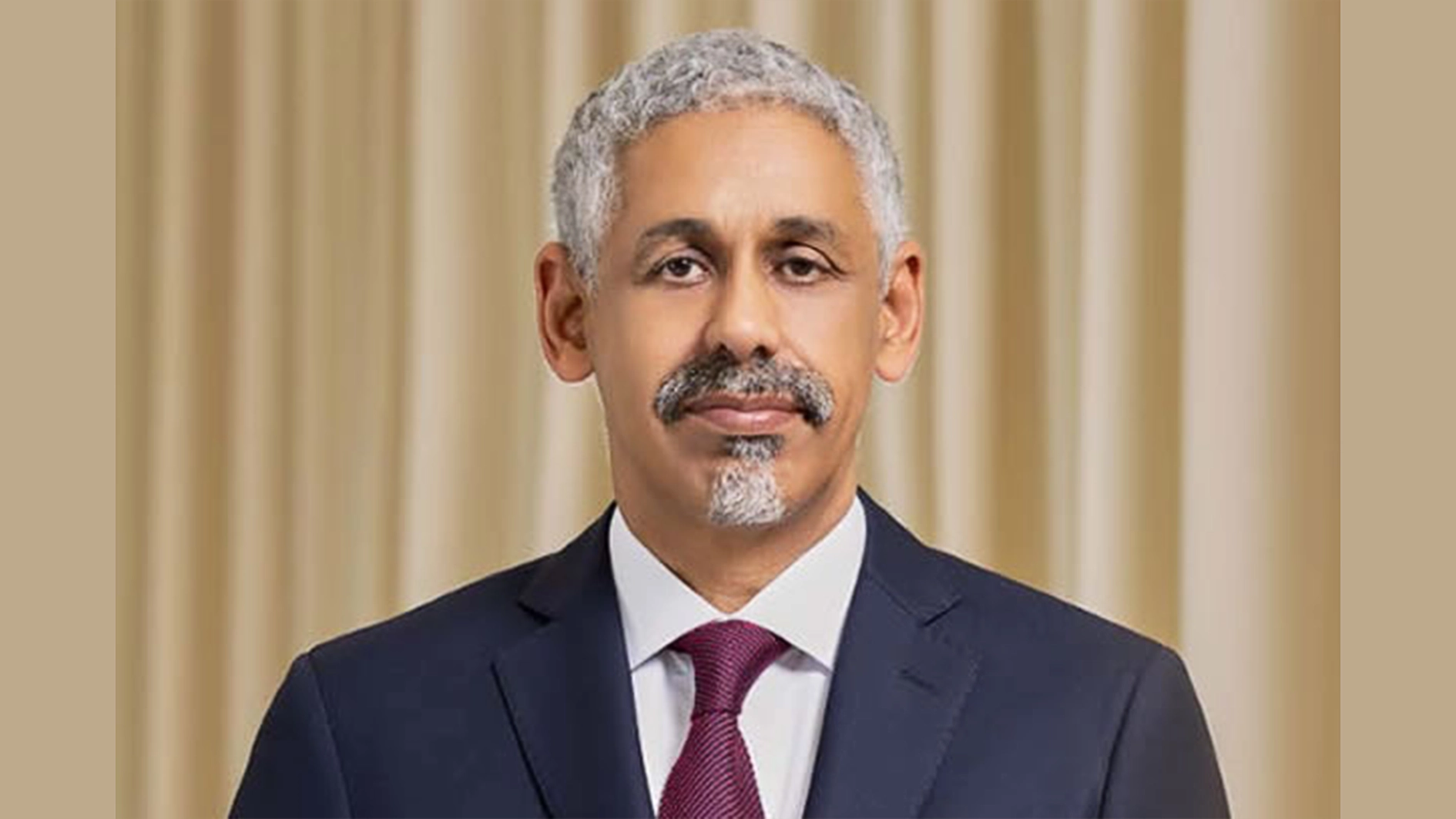
The African Development Bank says 12 of the 20 fastest-growing economies globally are in Africa, with GDP growth projected at 4.5% in 2026 despite global challenges.
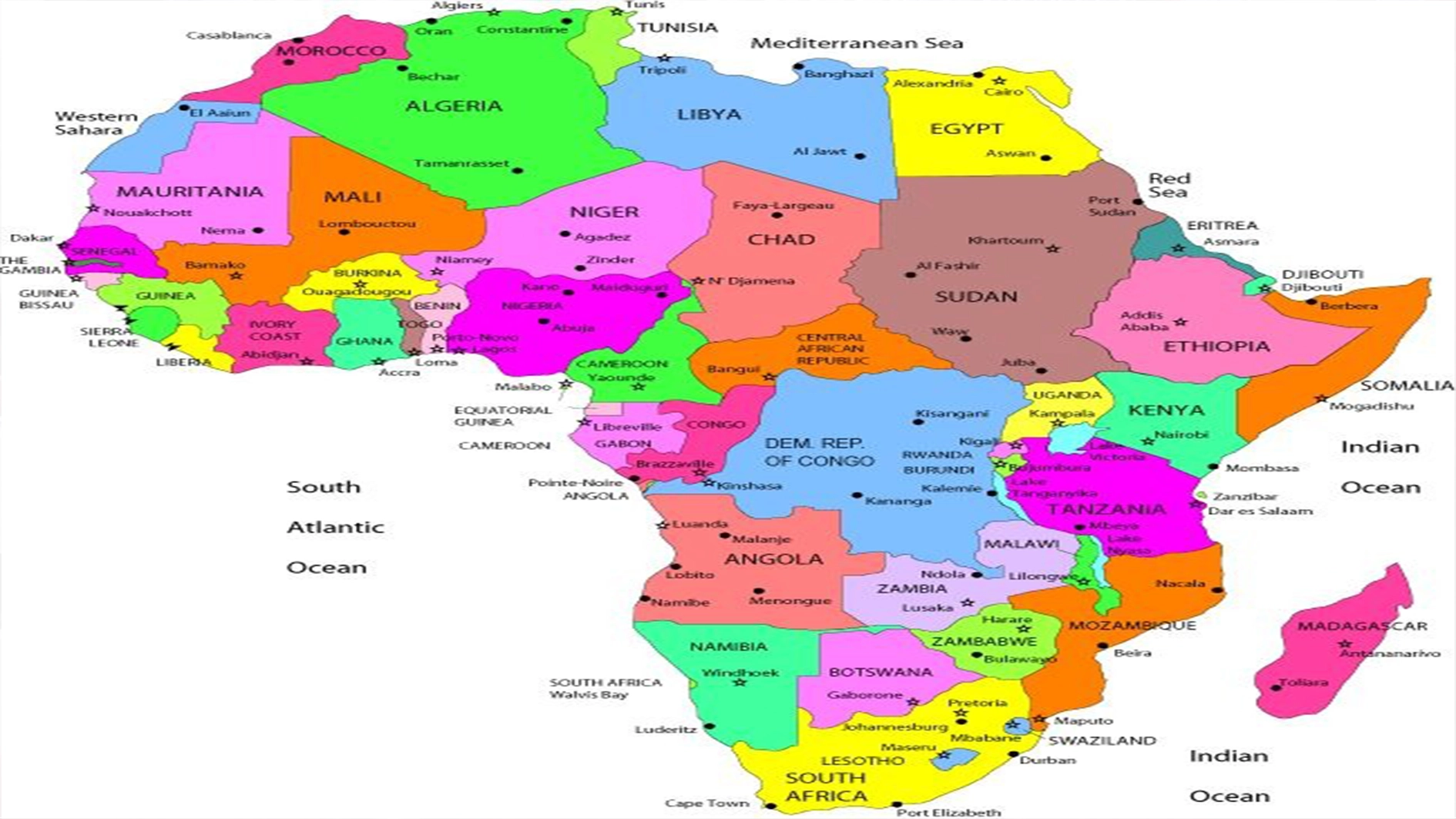
African Development Bank President Sidi Ould Tah announced that 12 of the world's 20 fastest-growing economies are in Africa, with GDP growth stabilizing at 4.3% in 2026.
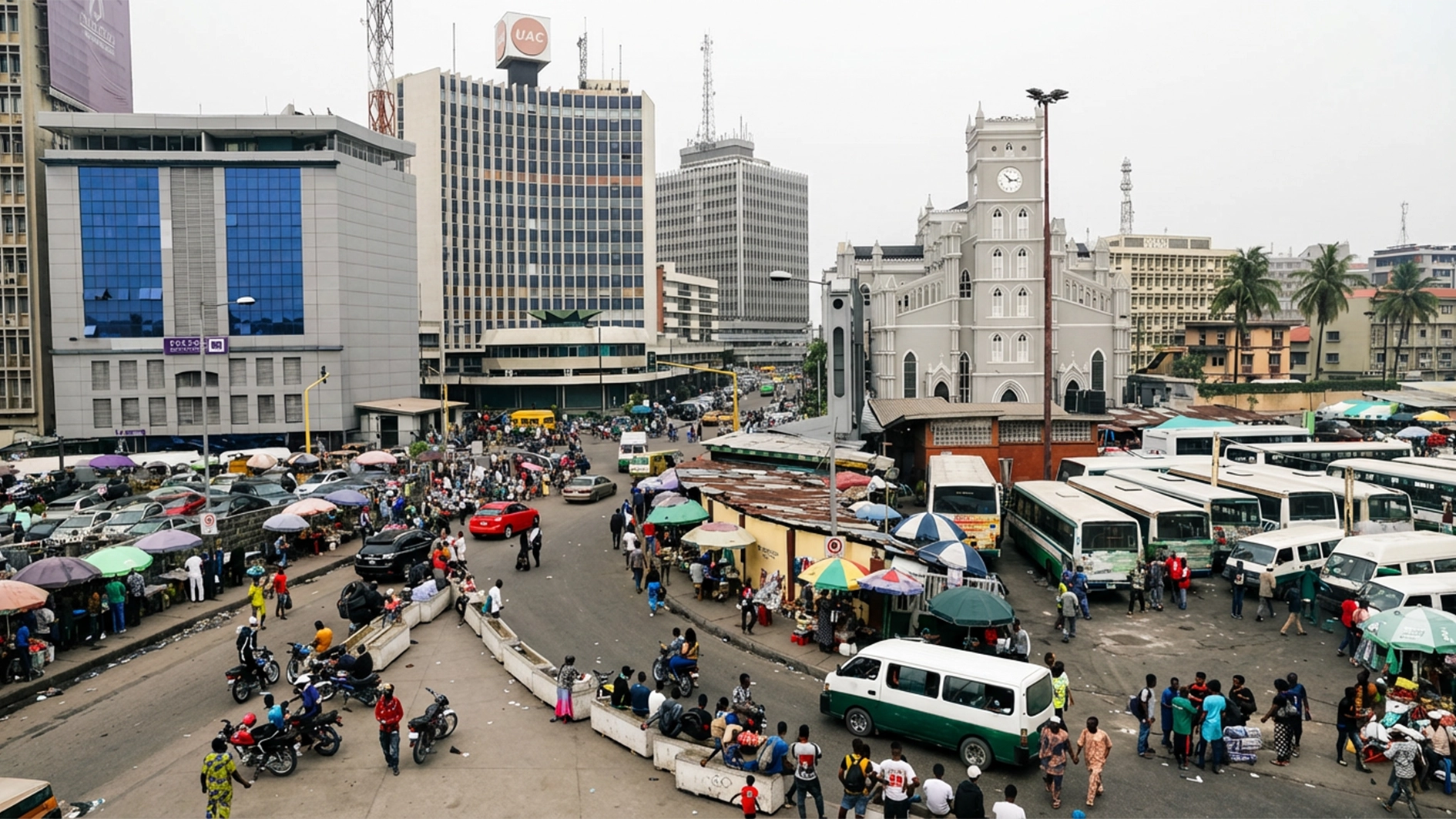
Private sector credit in Nigeria fell by 14.8% (N14 trillion) from February to April 2026, despite a surge in banking liquidity, raising concerns over investment and job creation.
Nigeria's naira gains across official and black markets as FX reserves hit $48.98 billion and GDP grows 3.89%. The naira traded at ₦1,374.92/$1 officially and ₦1,390/$1 on the black market.
Nigeria and the World Bank have agreed to cancel $717.7 million in undisbursed funds under the Power Sector Recovery Operation due to tariff shortfalls and delays.
Intellectual property experts from across Africa will meet in Nairobi to strategize on leveraging IP for trade, industrialization, and creative economy growth under the AfCFTA.

LOTUS Bank launches subsidised ram sales ahead of Eid-el-Kabir, with residents buying rams for N20,000 amid rising food inflation in Nigeria.
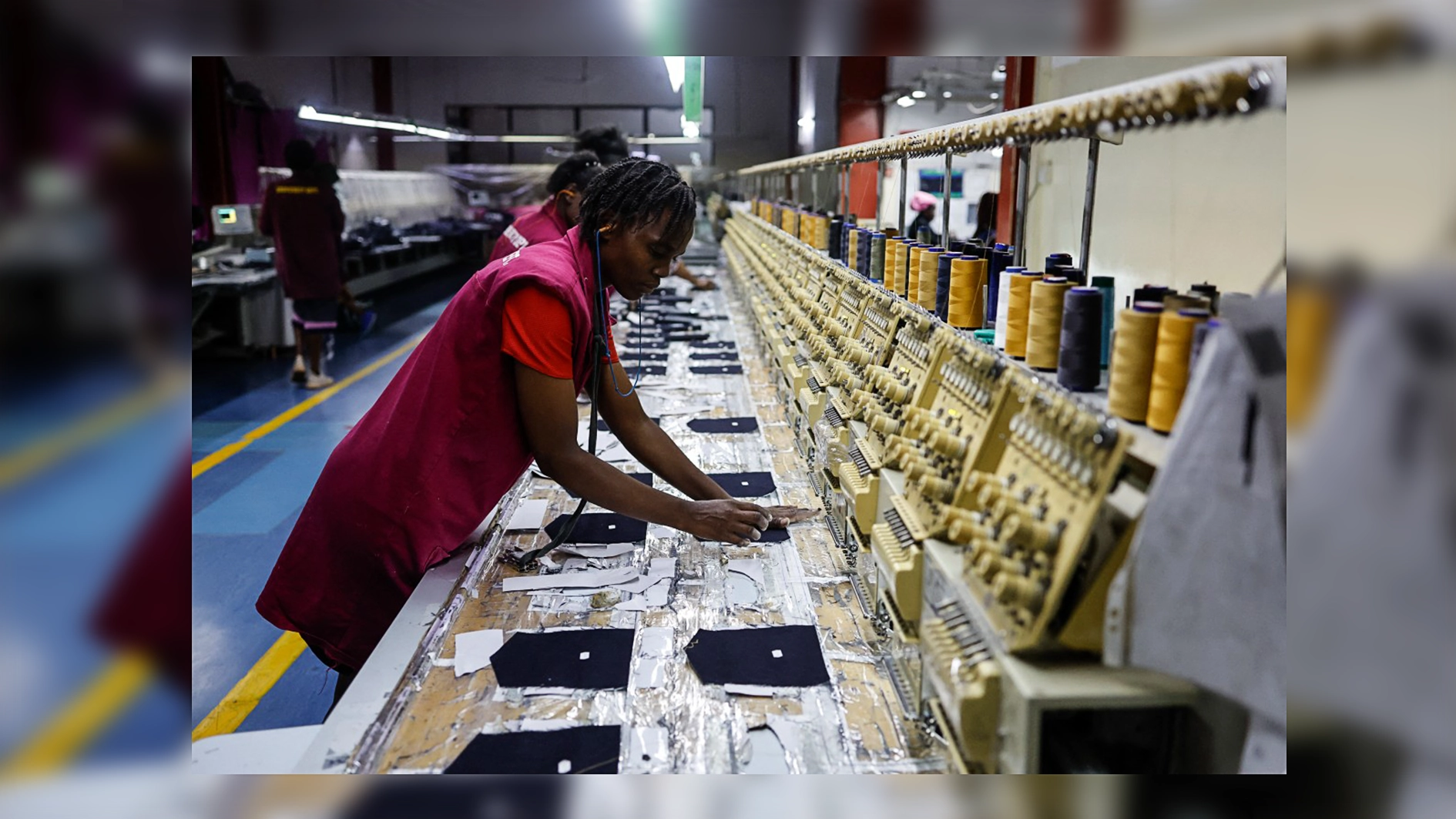
Nigeria's economy grew 3.89% in Q1 2026, driven by telecoms, finance, trade and agriculture, while electricity sector shrank 15.3% and oil production declined.

NISER projects Nigeria's GDP growth to reach 5.02% by 2028, with inflation falling to single digits, driven by fiscal reforms and non-oil sector growth.
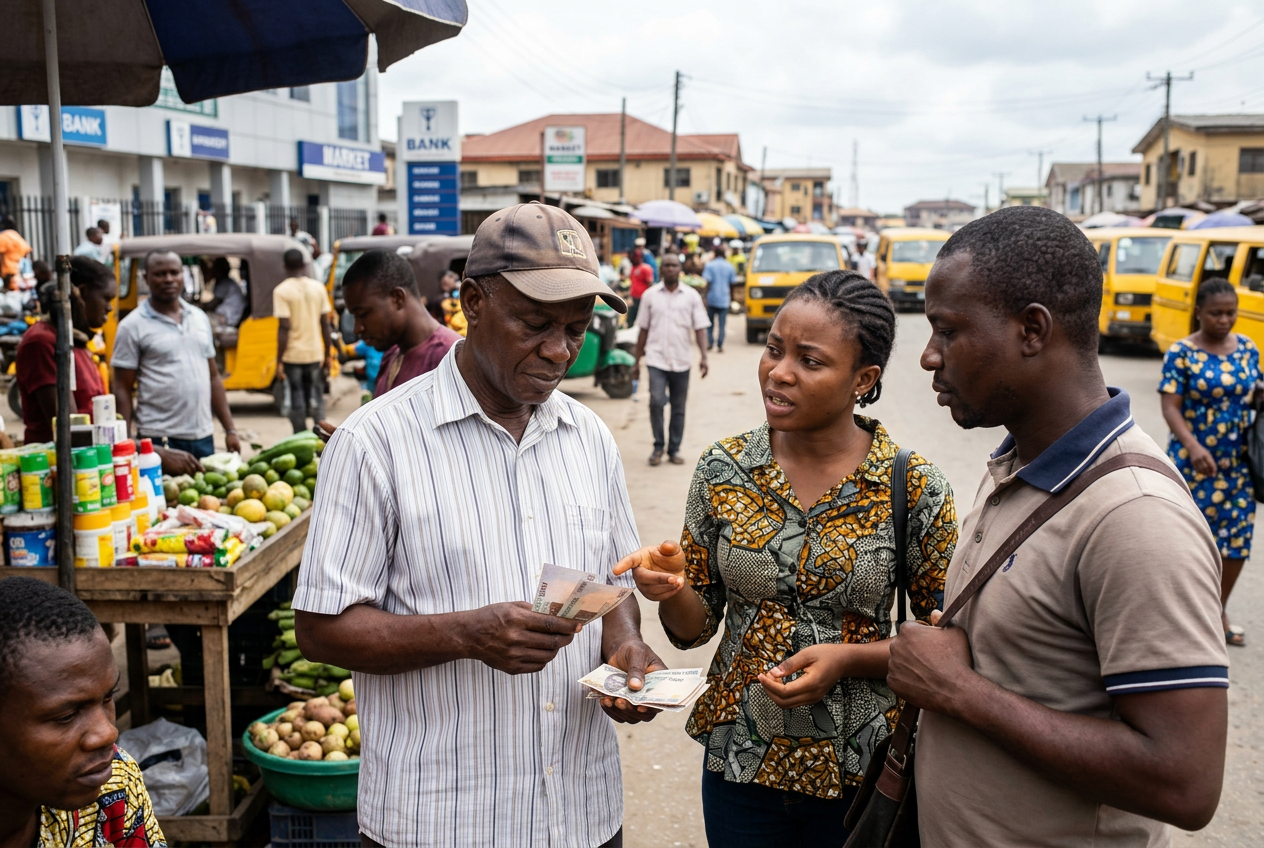
Discover the real average salary in Nigeria for 2025. Explore formal sector wages, livable income, and industry comparisons across the country.
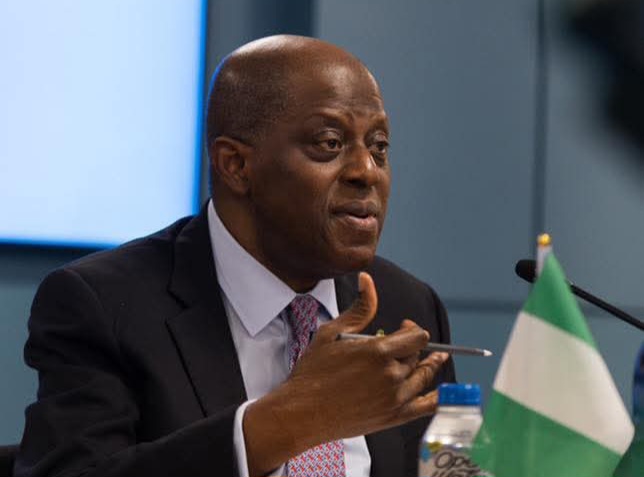
CBN Governor Olayemi Cardoso warns against pressure to resume intervention programs, citing distortion of financial position and weakened monetary policy effectiveness.

NISER forecasts Nigeria's GDP growth to hit 5.02% by 2028, with inflation dropping to single digits, driven by fiscal reforms and non-oil sector expansion.