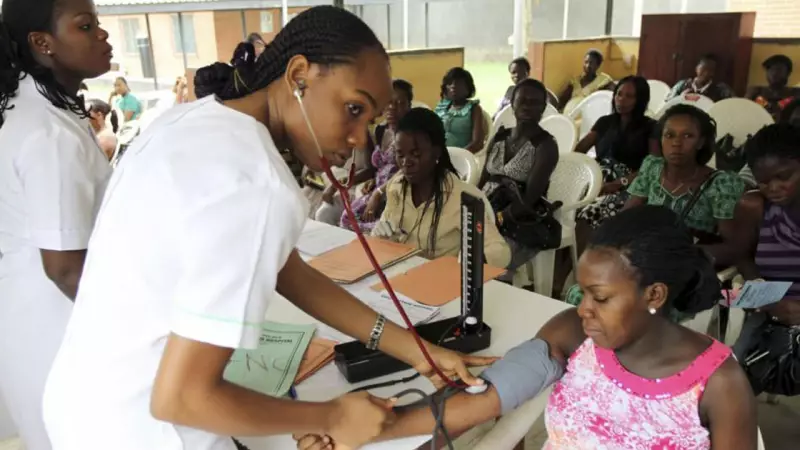
In a decisive move to fortify its justice system and healthcare response, the Lagos State Ministry of Health has concluded a specialized two-day training for health workers. The program focused on enhancing forensic evidence collection and ensuring timely clinical management for survivors of Sexual and Gender-Based Violence (SGBV).
Strengthening the Frontline Response
The training, held in Ikeja, assembled personnel from both public and private medical facilities. This initiative is a core component of the state's multi-sectoral strategy aimed at improving prosecution outcomes for SGBV cases and expanding care that is centred on the survivor's needs.
Dr Folasade Oludara, the Director of Family Health and Nutrition, stated that the rising incidents of rape and defilement within Lagos communities highlight an urgent need to upskill frontline health responders. These professionals are often the first point of contact for survivors, playing a critical dual role. They are tasked with providing immediate medical care while also generating legally admissible documentation that is vital for successful prosecutions.
"Their competence is critical to both the clinical and justice dimensions of sexual assault response," Dr Oludara emphasised.
Tools, Training, and Legal Corroboration
Elaborating on the state's preparedness, Dr Oluwatosin Onasanya, Deputy Director of Child Health, revealed that designated healthcare facilities across Lagos have been equipped with forensic tools and specialised specimen kits. The training was specifically designed to enhance the proper identification, documentation, and clinical management of SGBV cases.
According to Dr Juradat Aofiyebi, the Programme Manager for SGBV, this initiative is a strategic step toward securing more convictions. A specialised module was delivered to twenty-five senior doctors from the state's general hospitals. She stressed that accurate documentation, proper sample collection, and comprehensive care are essential not only for justice but also for helping to reduce repeat offences by holding perpetrators accountable.
"The state will continue to invest in trainings that ensure survivors receive non-judgmental, quality care," Dr Aofiyebi added.
The crucial link between medical evidence and the courtroom was underscored by Mrs Adebanke Ogunde, Deputy Director at the Directorate of Public Prosecutions (DPP). She pointed out that convictions in sexual assault cases frequently depend on the strength of medical reports and forensic evidence. She reminded participants that health workers are mandatory reporters and must adhere strictly to proper evidence handling protocols.
Ogunde highlighted that Section 291(3) of the Evidence Act formally recognises medical reports as crucial corroborative evidence, which is particularly important in cases involving children.
Integrated Care and Provider Wellbeing
Dr Oluwajimi Sodipo, a Consultant Family Physician at LASUTH, brought attention to the medical imperative for timely intervention. He noted that survivors who present for medical attention within 72 hours have a significantly better chance of preventing infections and enabling the collection of viable forensic samples. He commended the inter-agency collaboration but called for stronger DNA and forensic capacity, improved insurance coverage, and better remuneration for health workers.
Integration of SGBV response into social protection schemes was explained by Mrs Anyebe Margret, a Claims Officer at the Lagos State Health Management Agency (LASHMA). She detailed how survivors are covered for treatment, investigations, and follow-up care under the ILERA EKO Health Insurance Scheme's Equity Fund, which is dedicated to vulnerable groups. LASHMA also vets hospital claims, coordinates emergencies, escalates cases to the Domestic and Sexual Violence Agency (DSVA), and ensures survivors receive both medical and financial protection.
Finally, addressing the often-overlooked aspect of caregiver health, Mrs Ololade Babarere, Assistant Director of Health Education, spoke on the importance of self-care. She warned that repeated exposure to the trauma of SGBV cases can lead to burnout and compassion fatigue among health workers. She urged participants to adopt coping strategies such as mindfulness, regular exercise, adequate rest, and peer support.
"Caring for survivors begins with caring for oneself," she concluded.