
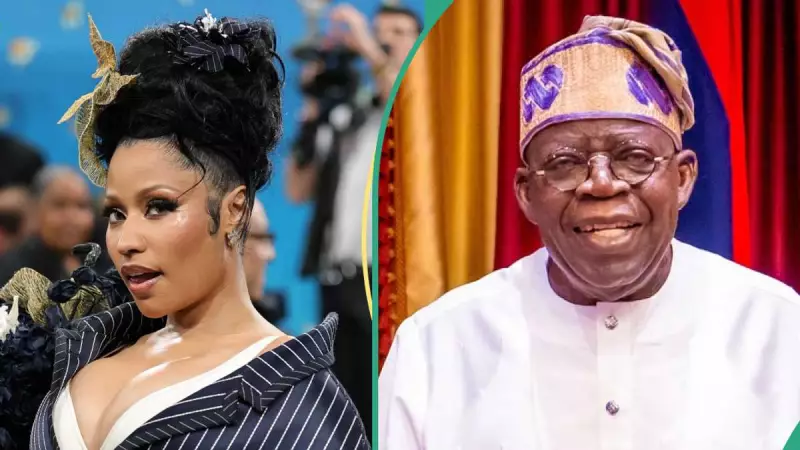
The Nigerian government has launched a formal protest against the United Nations for excluding the country from a high-profile discussion on alleged religious violence that featured American rapper Nicki Minaj.
Diplomatic Outcry Over Exclusion
The event, held at UN headquarters in New York in partnership with the United States Mission to the UN, examined claims of Christian persecution in Nigeria. This comes weeks after the US designated Nigeria as "a Country of Particular Concern" regarding religious freedom.
Syndoph Endoni, the Chargé d'Affaires of Nigeria's Permanent Mission to the UN, strongly condemned the decision to exclude Nigerian representatives from the meeting. He described the move as completely unacceptable, using the Nigerian proverb about "shaving someone's head in their absence" to emphasize the unfairness of the situation.
Nigeria Denied Right to Present Facts
Endoni argued that excluding Nigeria from a conversation that directly involves the country undermines principles of fairness and transparency. "It is important to ensure the country concerned in the ongoing allegations of genocide against Christians is present, aware and has a voice in the matter," he stated.
The Nigerian envoy revealed that by refusing Nigeria's participation, US authorities had denied Nigeria the right and opportunity to present its side of the story regarding efforts to confront extremist groups and address security challenges.
Controversy Over Event Organization
According to Endoni, a senior US official, Ambassador Patricia Mahoney, visited Nigeria House in New York the day before the event to inform him about the discussions. He was told that three UN member states and a pastor from Nigeria were invited, but no Nigerian government representative was included because organizers described the event as private.
Reports later emerged that organizers cited concerns from participants who feared retribution if Nigerian officials were present. Endoni maintained that Nigeria would continue to discuss security concerns with US authorities and pressed for collaborative approaches to protect lives and property.
The diplomat emphasized that Nigeria has not ignored threats posed by violent groups, noting that the government continues to confront criminal networks across several states. He insisted that violence in Nigeria affects citizens of all faiths and that the government takes all reports of violence seriously.
Endoni concluded that both countries could work together effectively to resolve insecurity challenges if engagements are conducted openly and inclusively, rather than through exclusionary practices that prevent Nigeria from presenting its perspective.




