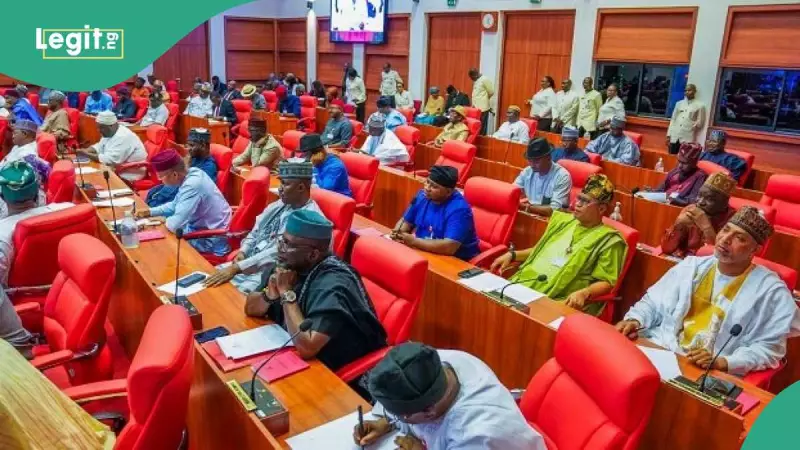
The Advokc Foundation has delivered a harsh assessment of Nigeria's 10th Senate, cautioning that the legislative body is heading toward being remembered for all the wrong reasons unless immediate changes occur.
In a statement released on Wednesday, November 19, foundation representative Mr. Habib Seidu criticized the Senate's inadequate leadership system and structure, emphasizing a significant disconnect between its commitments and actual achievements two years into its term.
Ethical Failures and Legislative Stagnation
The foundation highlighted the case involving Senator Natasha Akpoti-Uduaghan and her accusations against Senate President Godswill Akpabio as a prime example of the Senate's ethical contradictions. Rather than initiating an independent ethics review concerning claims of sexual harassment and power abuse, the Senate imposed a six-month suspension on the senator for misconduct.
The statement questioned the Senate's approach to harassment claims, noting that when women report abuse and face silencing instead of being heard, it sends a troubling message to Nigerian voters. This decision sparked the We Are All Natasha protests across the country.
Critical Reforms in Legislative Limbo
Beyond ethical controversies, the Advokc Foundation identified multiple crucial reforms that have stalled completely:
Health Financing: Despite committing to allocate 15% of the national budget to healthcare following the Abuja Declaration, actual funding remains between 4% and 6%. This failure continues while Nigeria represents 13% of global maternal deaths and healthcare expenses drive millions into poverty.
Gender Inclusion: The Special Seats Bill for Women remains unresolved, treating female representation as rhetorical rather than requiring genuine resolution, despite successful implementation in nations like Rwanda and Senegal.
Electoral Reform: Promises to revise the appointment procedure for the Independent National Electoral Commission and ensure election petitions are resolved before swearing-in ceremonies have seen no progress, with substantial reforms failing to materialize.
Environmental Responsibility: The Gas Flaring Prohibition and Punishment Bill remains stuck in legislative gridlock, costing Nigeria approximately $2.5 billion yearly in lost revenue while exposing Niger Delta residents to toxic air pollution.
Financial Mismanagement and Audit Failure
A central criticism focuses on the Senate's inability to pass the Audit Bill. This failure has resulted in over ₦103.8 billion and $950,912.05 in misappropriated funds across just 31 ministries, departments, and agencies, according to 2019 and 2020 auditor-general reports.
The foundation contends that comprehensive audit reform could generate ₦720 billion in economic benefits over five years through recovered revenues and enhanced tax compliance, while simultaneously improving Nigeria's international reputation.
Using data from their Promise Tracker NG platform, the foundation's Legislative Agenda Meter indicates the Senate is performing without meaningful progress. Of 28 monitored commitments, only one—live streaming and online access to proceedings—has been fulfilled.
Eighty-two percent of tracked promises have not been tabled or discussed in any legislative session.
Mr. Seidu concluded that when a legislature becomes richer in scandals than reform initiatives, it transforms into what Nigerians currently witness: a reform-proof institution.
The Advokc Foundation maintains that opportunity remains for corrective action. They urged the Senate to establish concrete deadlines, pass the Special Seats Bill and Audit Bill, increase health budget allocation, and enhance citizen access to proceedings through digital participation methods.
The foundation's final warning emphasized that without these changes, the 10th Senate's story will be written not in legislation passed but in controversies remembered, creating a legacy of promised reforms that delivered only political theater.