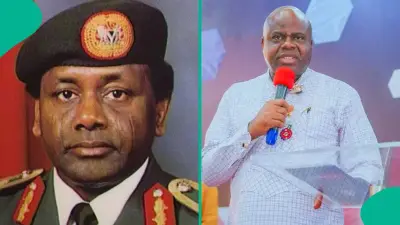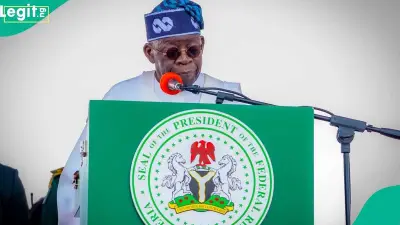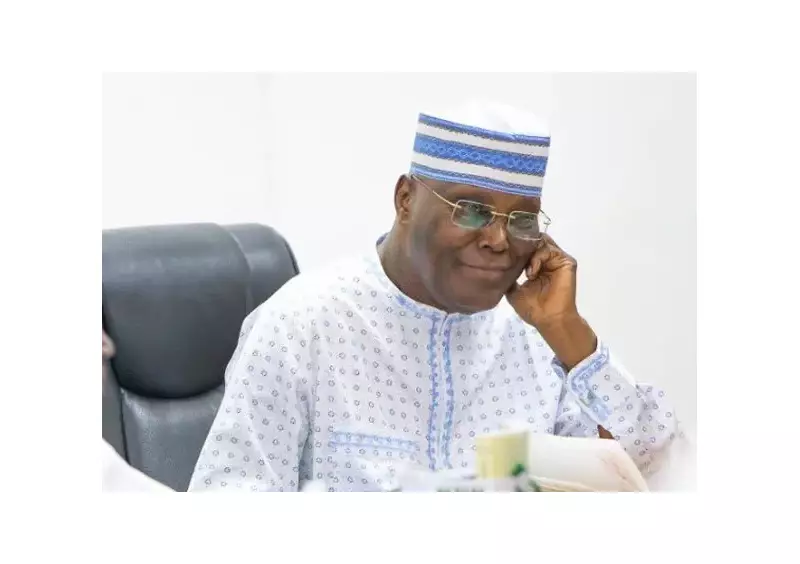
Former Vice President Atiku Abubakar and Africa's richest man, Aliko Dangote, have issued a strong warning to Northern Nigeria's leadership. They cautioned that adversaries are using sophisticated methods to sabotage the region's progress by exploiting its ethnic and religious differences.
Call for Unity Against Subversion
The prominent leaders spoke during the second day of the Arewa Consultative Forum's 25th anniversary event held in Kaduna over the weekend. Addressing an audience that included traditional rulers, politicians, and elder statesmen, Atiku described the current threats as a form of sophisticated subversion.
He explained that modern technology is being weaponized to inflame divisions and create conflict between communities. They set tribe against tribe, Christian against Muslim, people against their Chief, Atiku stated, echoing a warning first made by Sir Ahmadu Bello in 1960 about internal saboteurs seeking personal gain.
Development Challenges and Comparisons
Atiku emphasized that the major challenge facing Northern Nigeria is the failure to effectively manage its diversity. United we stand, divided we fall, he declared, pointing to countries like China and India that have successfully developed despite having far more ethnic groups.
He urged Northern leaders to learn from the disastrous situation in the Democratic Republic of Congo, where natural wealth became a curse rather than a blessing. Their target is our God-given wealth, Atiku warned, stressing the need for vigilance.
The former presidential candidate also highlighted critical areas requiring immediate attention, particularly in light of Nigeria's projected population growth. By 2050, Nigeria will be the third most populated country in the world, he noted. How do we feed, educate, and provide jobs for this population if we do not act now?
Dangote's Economic Analysis
Aliko Dangote provided a blunt assessment of the economic challenges holding the North back. He identified decades of policy inconsistency, chronic power shortages, and failed historical efforts to industrialize the region as primary reasons for slow economic growth and worsening insecurity.
The business magnate warned that unless Northern leaders urgently reset the region's development path, it risks descending into deeper crises. Both leaders appealed to current Northern elites to reconsider their priorities and emulate the sacrificial legacy of Sir Ahmadu Bello rather than exploiting opportunities for personal gain.
The event marked a significant moment of reflection for Northern leadership, coming exactly twenty-five years after the Arewa Consultative Forum's establishment to address the region's developmental challenges.