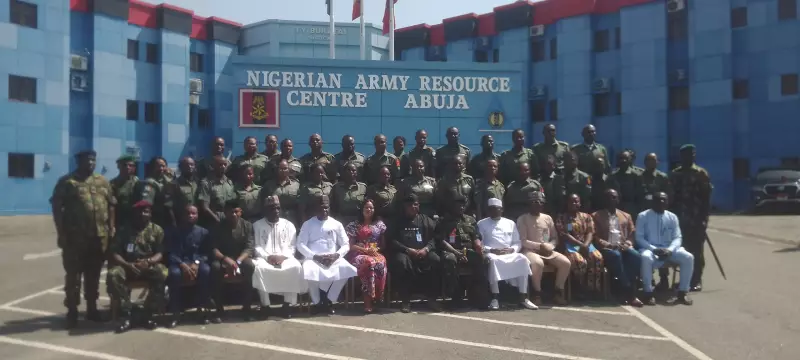
In a significant move to enhance national security operations, the Nigerian Army Resource Centre (NARC) has successfully graduated 152 soldiers from its Indigenous Languages Course. The graduation ceremony, held on Friday, marked the completion of an intensive two-month program designed to equip personnel with proficiency in Nigeria's three major languages: Hausa, Igbo, and Yoruba.
Boosting Operational Effectiveness Through Language
The Chief of Army Staff (COAS), Lt.-Gen. Waidi Shaibu, emphasized the critical role of language skills in military operations during the ceremony. Speaking through the Chief of Administration (Army), Maj.-Gen. Isa Abdullahi, Shaibu stated that proficiency in local languages enables army personnel to communicate effectively and gather vital intelligence, directly improving their ability to counter security threats.
Shaibu explained that Nigerian Army operations are largely intelligence-driven, with the extraction of credible information being of utmost importance. He noted that collecting intelligence from human sources primarily depends on interpersonal contact, which requires effective communication with local communities.
Strategic Importance of Language Proficiency
The Army Chief urged the graduating soldiers to continue improving their language abilities by practicing oral skills at every opportunity. He reminded them about the annual online language recertification test that will determine their current proficiency status and eligibility for continued pecuniary benefits from the program.
Shaibu highlighted that the Nigerian Army remains at the forefront of the fight against terrorism and insurgency, demonstrating unwavering commitment to defending the nation's peace, security, and strategic interests. He charged the soldiers to uphold the culture of discipline, accountability, and professionalism in their various units and formations.
Foundation of the Language Program
Earlier at the event, the Director-General of NARC, Maj.-Gen. James Myam, explained that the Indigenous Languages Programme was specifically introduced to strengthen the capacity of Nigerian Army personnel to communicate effectively in at least two of the three major Nigerian languages.
According to Myam, this initiative aligns with the Nigerian Army Language Policy, which mandates personnel to acquire proficiency in indigenous languages to enhance operational effectiveness, build trust with host communities, and support information gathering for intelligence purposes. He confirmed that the program has become a central feature of the Centre's annual calendar and urged the graduating participants to continue practicing the languages they learned during the course.
The 152 graduating soldiers represented various formations and units across the country, demonstrating the Army's commitment to creating a more adaptive and cohesive force capable of responding to Nigeria's complex security challenges through improved community engagement and intelligence capabilities.