
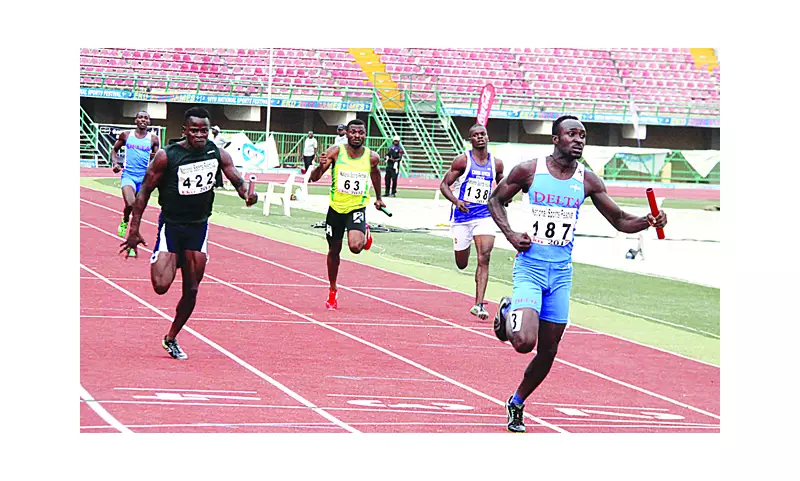
The National Council on Sports has unveiled comprehensive reforms aimed at cleaning up Nigeria's sporting system, with particularly harsh measures targeting the persistent problem of age cheating that has plagued competitions.
Strict Penalties for Age Manipulation
During the 2025 National Council on Sports meeting held in Calabar, Cross River State, officials approved severe consequences for athletes, coaches, and states involved in age manipulation. Athletes found guilty will face immediate disqualification, withdrawal of medals and rankings, and suspensions ranging from one to two years. Repeat offenders risk permanent ineligibility from national competitions.
The council described age cheating as a significant threat to the integrity of Nigerian sports and extended penalties to officials involved in the practice. Coaches and officials implicated in age manipulation will face disciplinary measures including licence suspension, removal from duty, and potential permanent disqualification.
States whose teams engage in organized age fraud will be fined N10 million, with all results annulled and officials potentially facing criminal charges. This represents the toughest stance yet against the widespread practice that has undermined youth sports development.
New Competition Tier and Safety Measures
In a major structural change, the Council approved the establishment of the National Intermediate Games (NIG) for athletes aged 17–20. This new competition is designed to bridge the developmental gap between the National Youth Games (NYG) and the National Sports Festival (NSF), creating a more structured pathway for emerging talents. Lagos State will host the inaugural edition in 2026.
To enhance athlete safety, the Council directed that all contingents participating in NSC-organised competitions must have centralised and verifiable insurance coverage before participation. This measure applies to the NYG, NIG, and NSF and is intended to address emerging risks and ensure proper protection during national competitions.
Broader Sports Development Initiatives
The meeting also adopted the development of the Nigeria Anti-Doping Policy, with confirmation that the World Anti-Doping Agency (WADA) has certified Nigeria as fully compliant with global anti-doping rules. This certification allows Nigerian athletes to compete internationally without sanctions. The Nigeria Anti-Doping Centre has been approved as the coordinating agency for doping control in the country.
As part of efforts to grow the sports economy under the Renewed Hope Agenda, the Council approved an expanded membership structure that brings key public and private-sector institutions into the National Council on Sports. These include the CBN, FIRS, BOI, NNPC Limited, NBS, NDIC, and the Nigerian Investment Promotion Commission.
The Council announced that Bayelsa State will host the 2028 National Sports Festival, while Kaduna State will stage the 2030 edition. Enugu State received commendation for its ongoing preparations for the 2026 Festival, and Lagos State was acknowledged for accepting to host the next meeting of the Council.