Northern Nigeria Faces Worst Hunger Crisis in a Decade
The United Nations World Food Programme (WFP) has issued a grave warning that escalating violence and instability across Northern Nigeria could force nearly 35 million people into severe food insecurity during the 2026 lean season. This alarming figure represents the highest level of food insecurity ever recorded in Nigeria's history.
Conflict Zones Bear the Brunt of Hunger Crisis
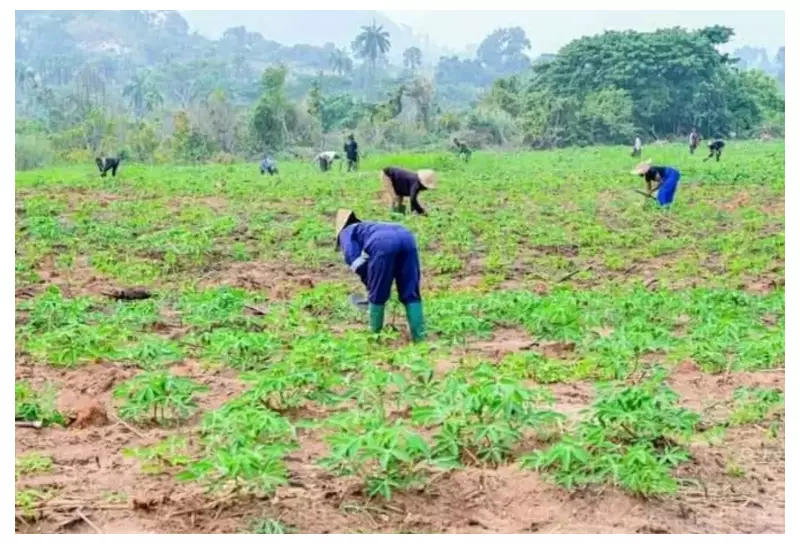
According to David Stevenson, WFP Country Director and Representative in Nigeria, the northern regions are experiencing their most severe hunger crisis in ten years. Rural farming communities have been hit hardest by the deteriorating security situation.
The latest Cadre Harmonisé analysis, which measures food security across the region, projects that nearly six million people in conflict-affected areas will face crisis levels of hunger or worse during the 2026 lean season from June to August. The most affected states include Borno, Adamawa, and Yobe.
Stevenson revealed that approximately 15,000 people in Borno State are expected to confront catastrophic, famine-like conditions classified as Phase 5 hunger. Children in Borno, Sokoto, Yobe, and Zamfara states face the greatest risk due to the highest malnutrition rates in these regions.
Funding Shortfalls Worsen Humanitarian Catastrophe
The dire situation has been exacerbated by critical funding shortages that have severely limited WFP's capacity to provide life-saving assistance. In the North-East region, where nearly one million people depend on WFP's food and nutrition programs, the organization was forced to scale down nutrition initiatives in July, affecting more than 300,000 children.
Stevenson emphasized that WFP will exhaust all resources for emergency food and nutrition assistance by December 2025. Without immediate funding, millions of vulnerable Nigerians will be left without crucial support in 2026, potentially triggering increased instability across the region.
The UN highlighted that attacks by insurgent groups, including Jama'at Nusrat al-Islam wal-Muslimin (JNIM), an al-Qaeda affiliate, and Islamic State in West Africa Province (ISWAP), have intensified throughout 2025. These groups have expanded their operations across the Sahel region, further threatening food security.
"Communities are deteriorating under severe pressure from repeated attacks and economic stress," Stevenson stated. "If we cannot keep families fed and control food insecurity, growing desperation could fuel increased instability with insurgent groups exploiting hunger to expand their influence."
This creates a security threat that extends beyond Nigeria's borders, potentially affecting the entire West African region and beyond. The world cannot afford to ignore this deepening crisis that threatens both humanitarian and security stability.