
Meta Shares Plunge 10% as Google Surges on AI Earnings Divergence
Meta shares fell nearly 10% after earnings, while Google soared over 6%. Investors distinguish between Big Tech AI spending strategies.

Meta shares fell nearly 10% after earnings, while Google soared over 6%. Investors distinguish between Big Tech AI spending strategies.
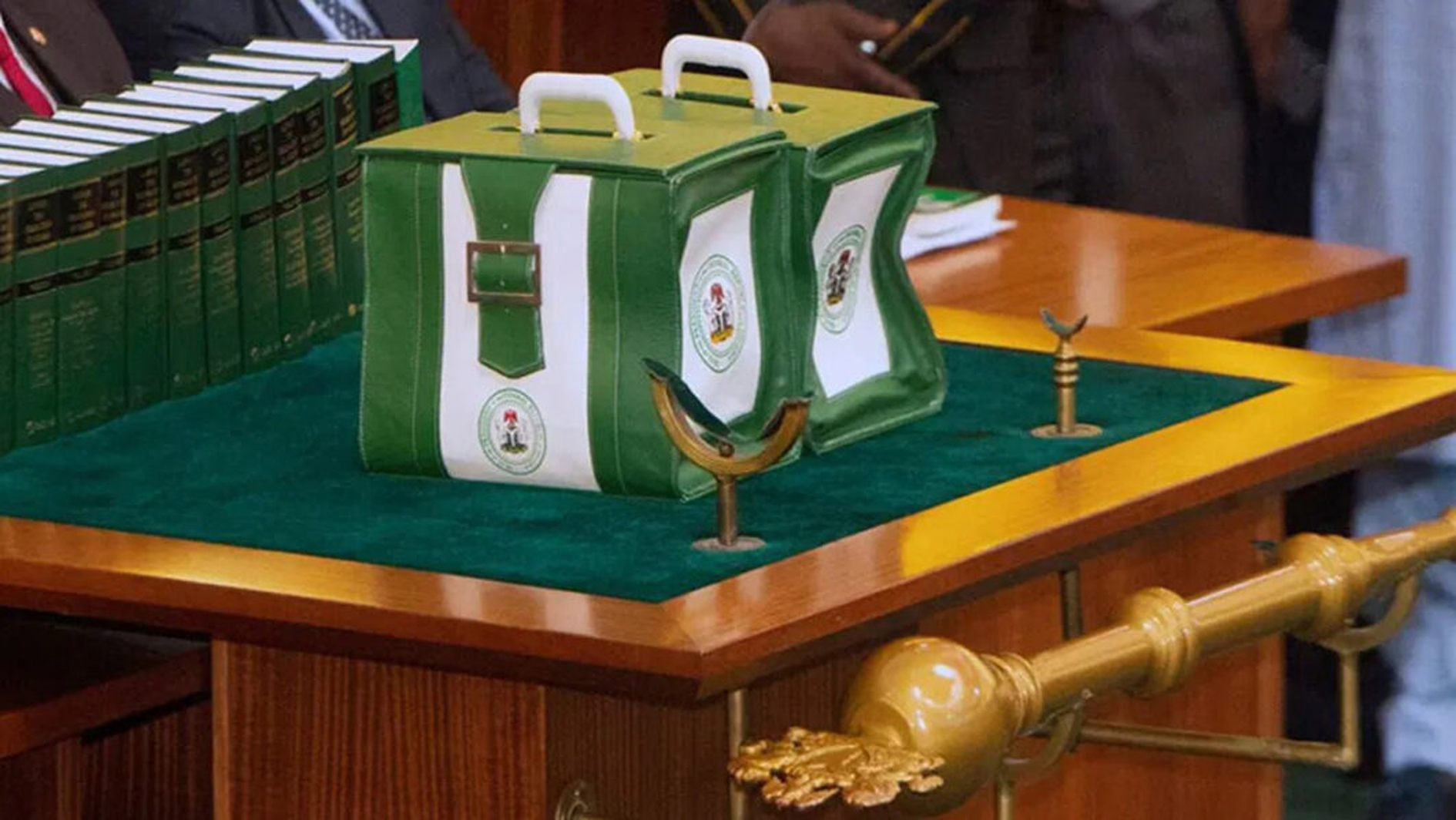
Nigeria allocates ₦15.81 trillion for debt servicing in 2026, a major portion of the ₦68.32 trillion budget, raising concerns over fiscal sustainability.
)
University administrative and non-teaching staff in Nigeria will begin an indefinite strike on Friday after failed negotiations with the federal government over unpaid salaries and welfare issues.

A Nigerian businesswoman installed a 2kVA solar inverter with 4 panels costing 1.4 million naira, powers two freezers, and advises others to invest amid blackouts.

France's economy stalled in Q1 2026 with zero growth due to weak domestic demand and declining exports, surprising analysts who expected modest expansion.
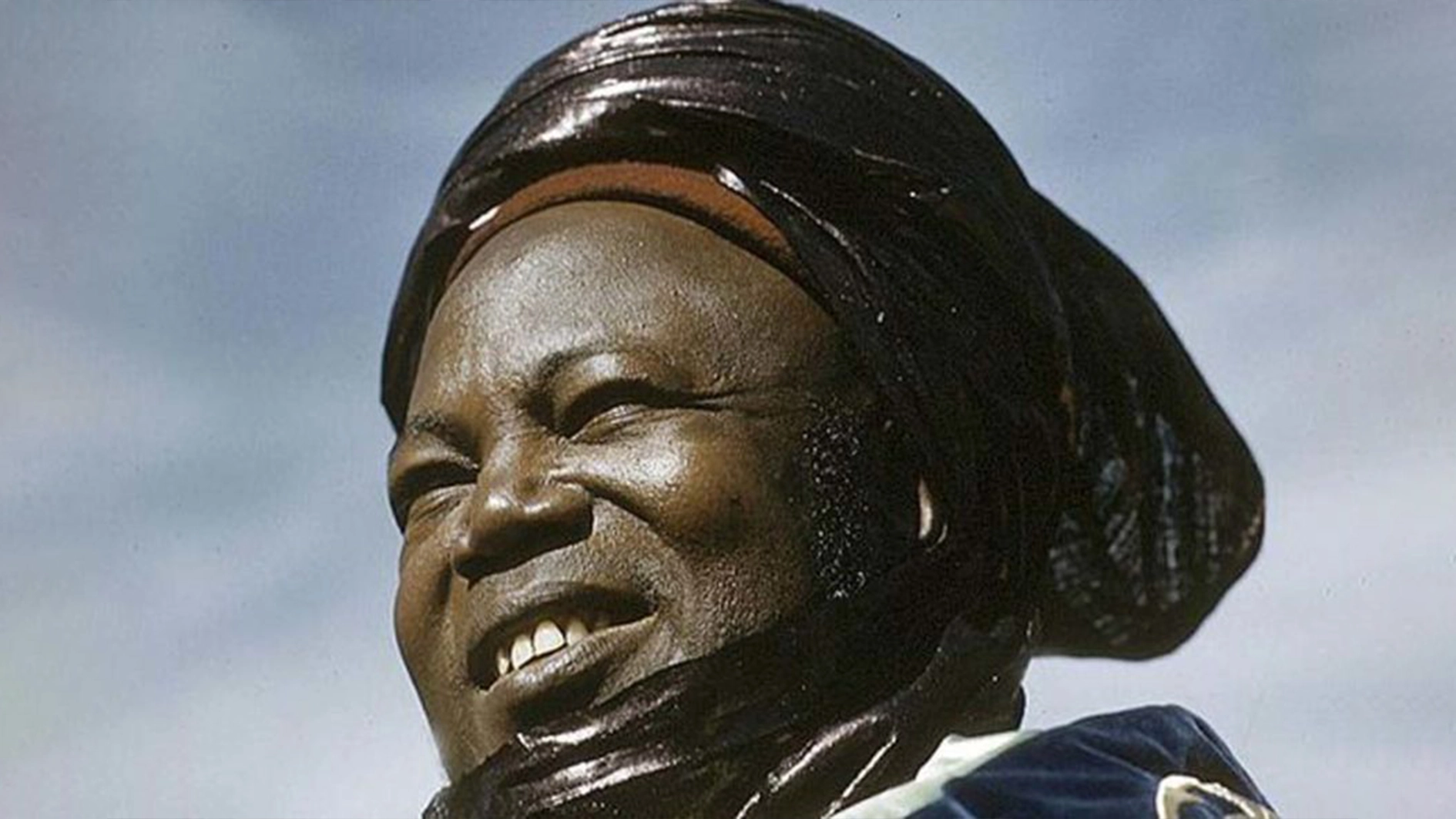
The Sir Ahmadu Bello Memorial Foundation calls for urgent action to rebuild Northern Nigeria's economy, focusing on education, youth, women, and governance through an 8-point agenda.

Learn essential risk management strategies for Forex trading in Africa, including position sizing, stop-loss, and risk-reward ratios.
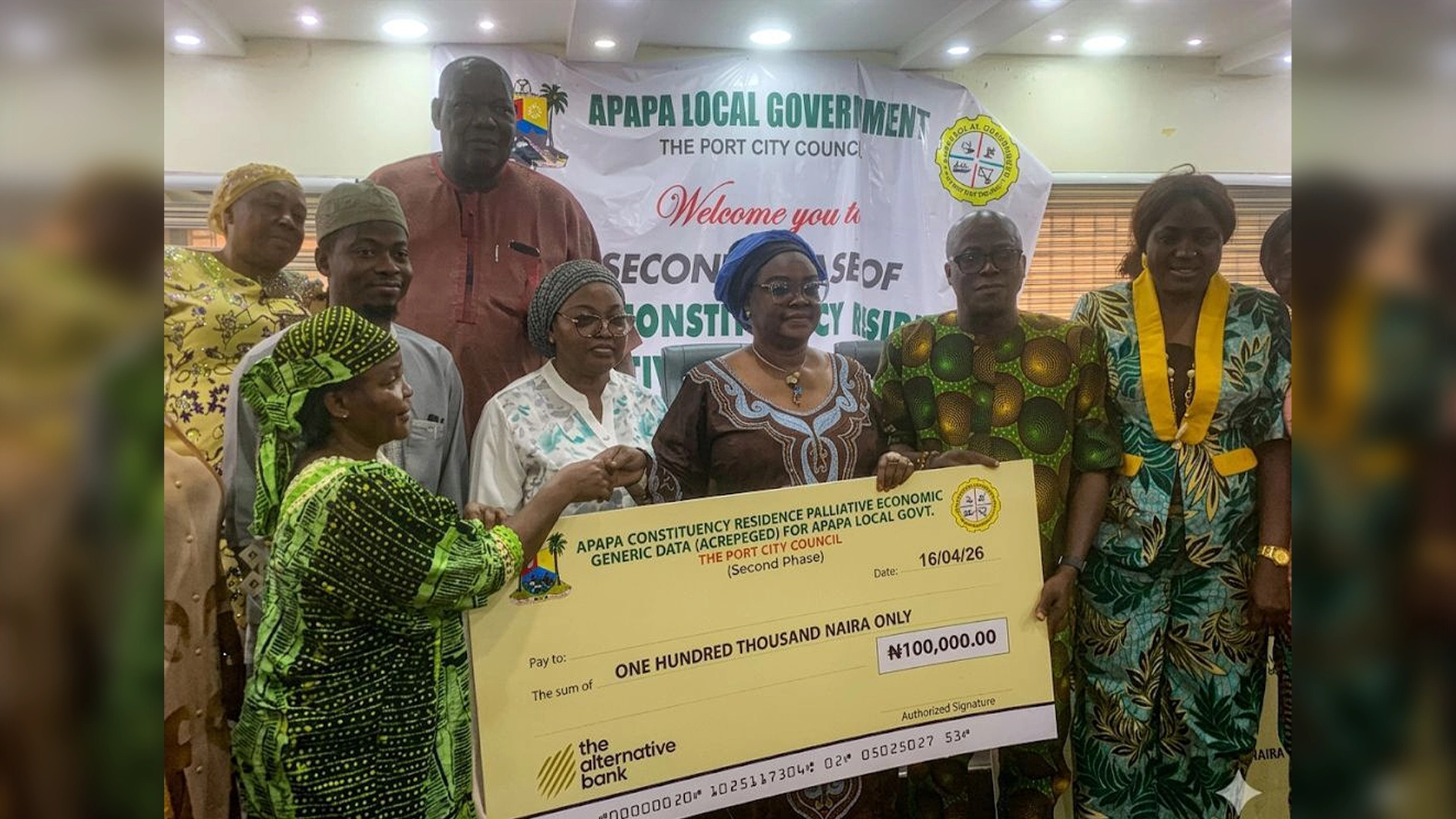
Apapa LG Chairman Idowu Adejumoke Senbanjo disburses ₦30 million to 300 residents in phase two of ACREPEGED, reaching 600 beneficiaries so far with plans for 4,000.
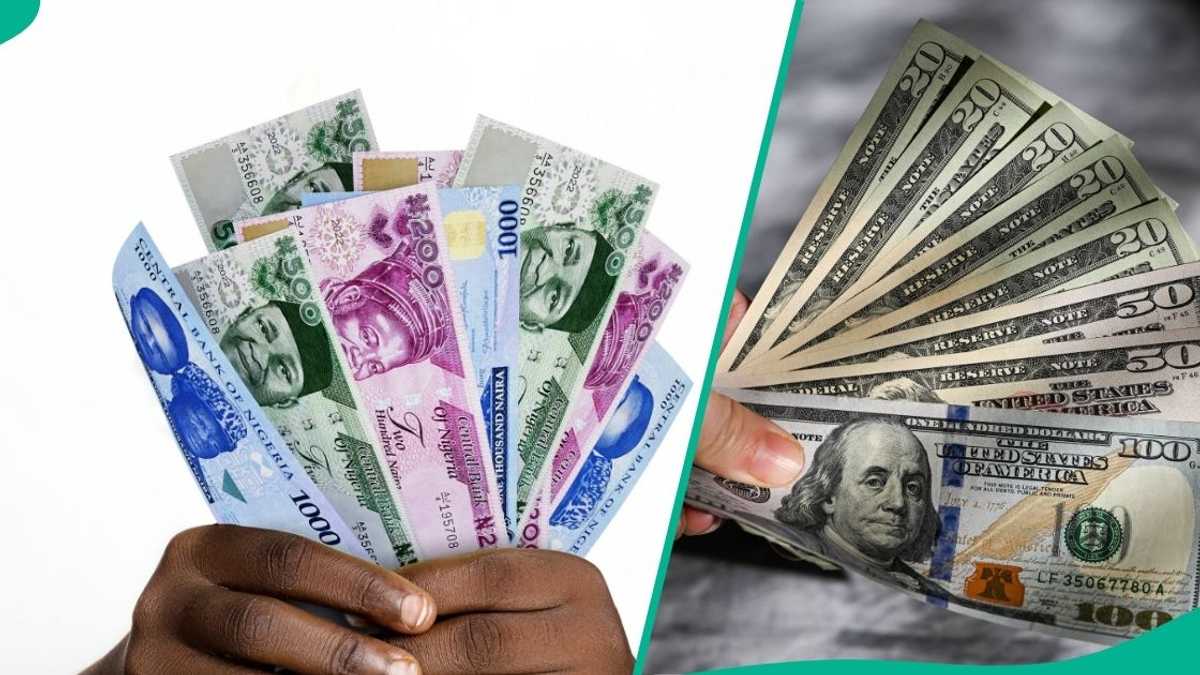
The Nigerian naira recovers modestly against the US dollar as CBN data shows improved liquidity, with interbank turnover hitting $249.9 million and oil prices rising.

The Central Bank of Nigeria urges secondary school students to prioritize financial literacy, treating money as an investment tool for long-term wealth.
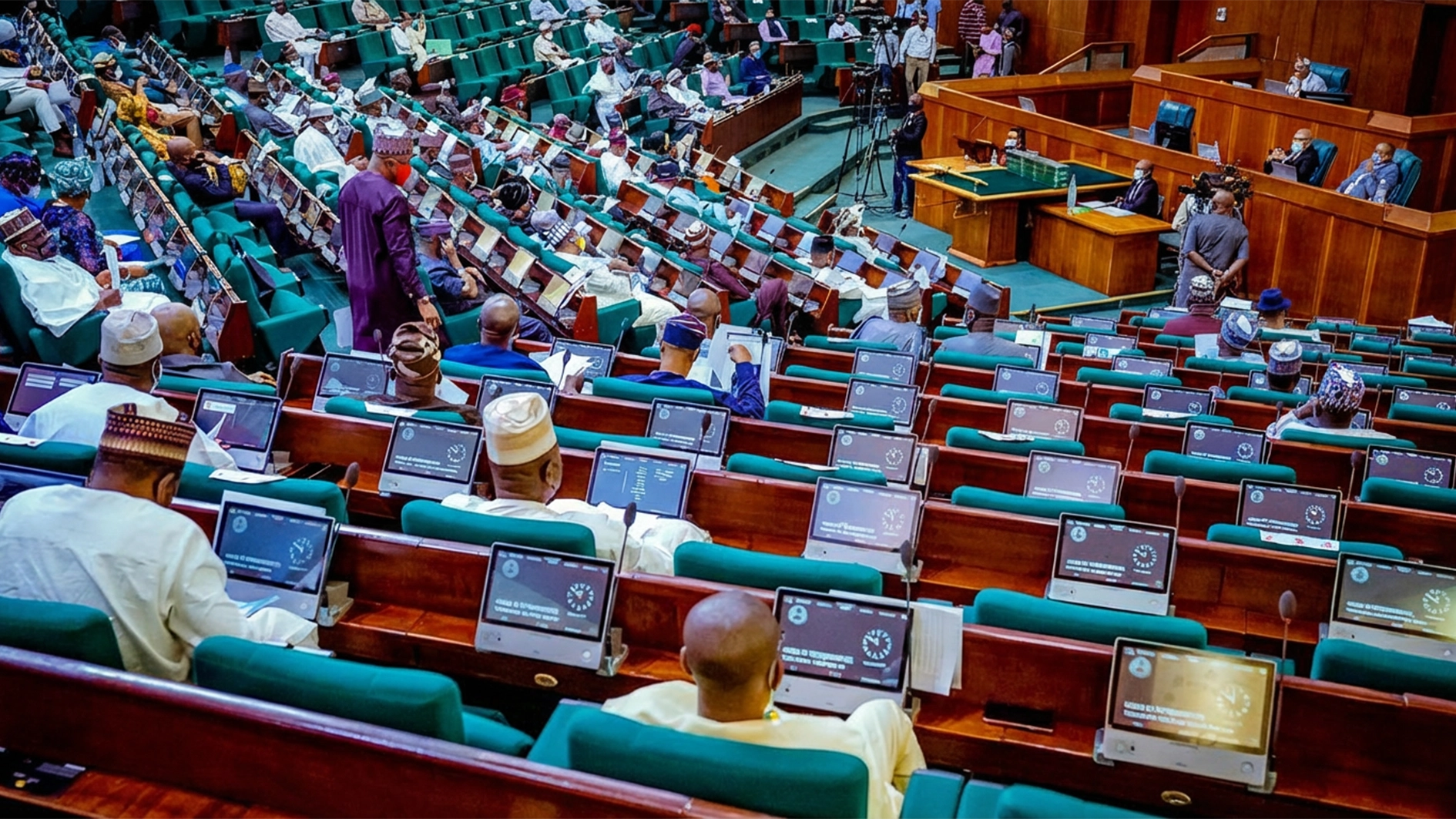
Nigeria's House of Representatives introduces a bill for a 50-year National Economic Plan (2026-2076) to enforce policy continuity and boost investor confidence.
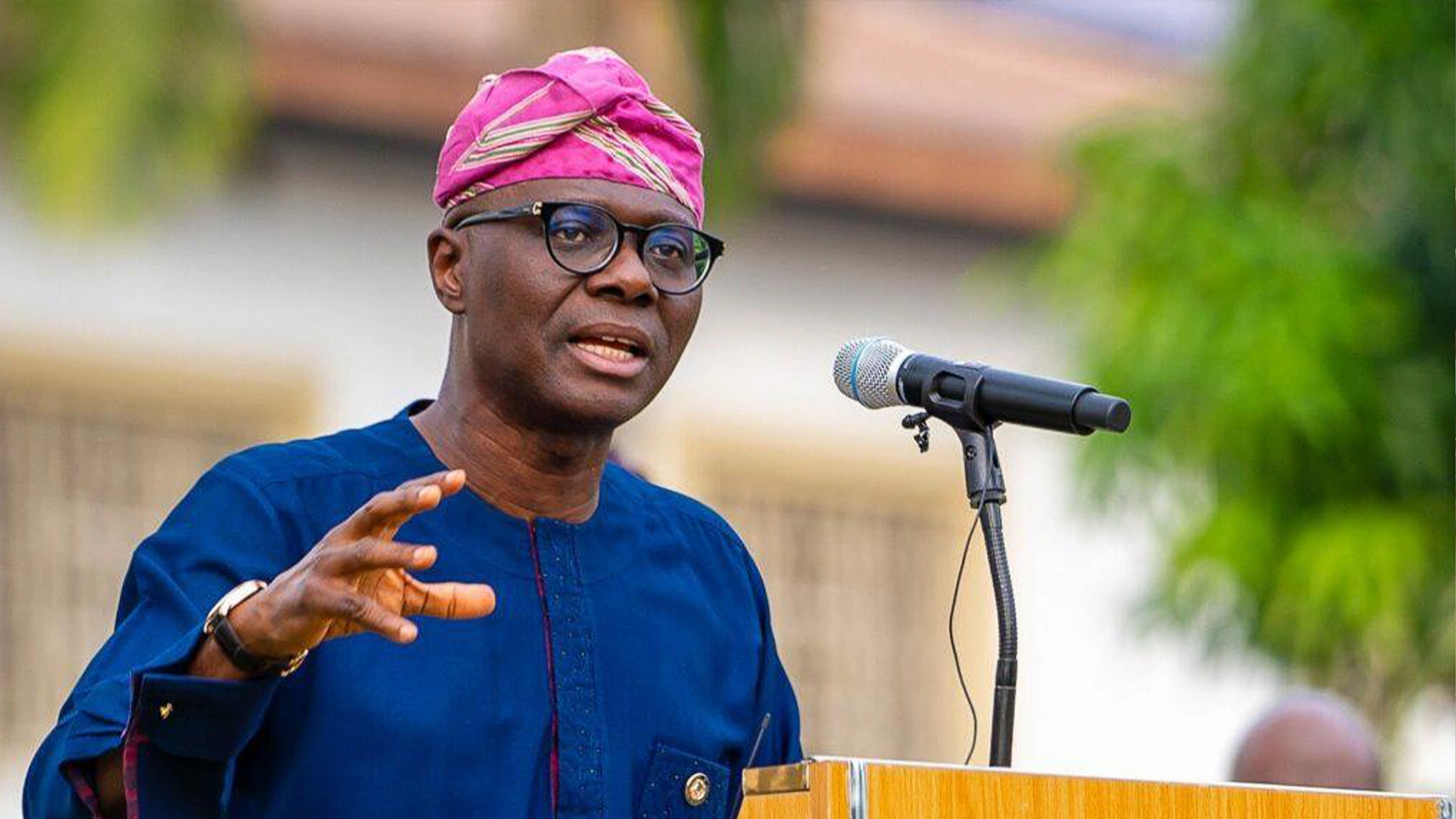
Lagos State signs power purchase agreements with three IPPs, aiming to boost economic growth through decentralised electricity generation and efficient PPP delivery.
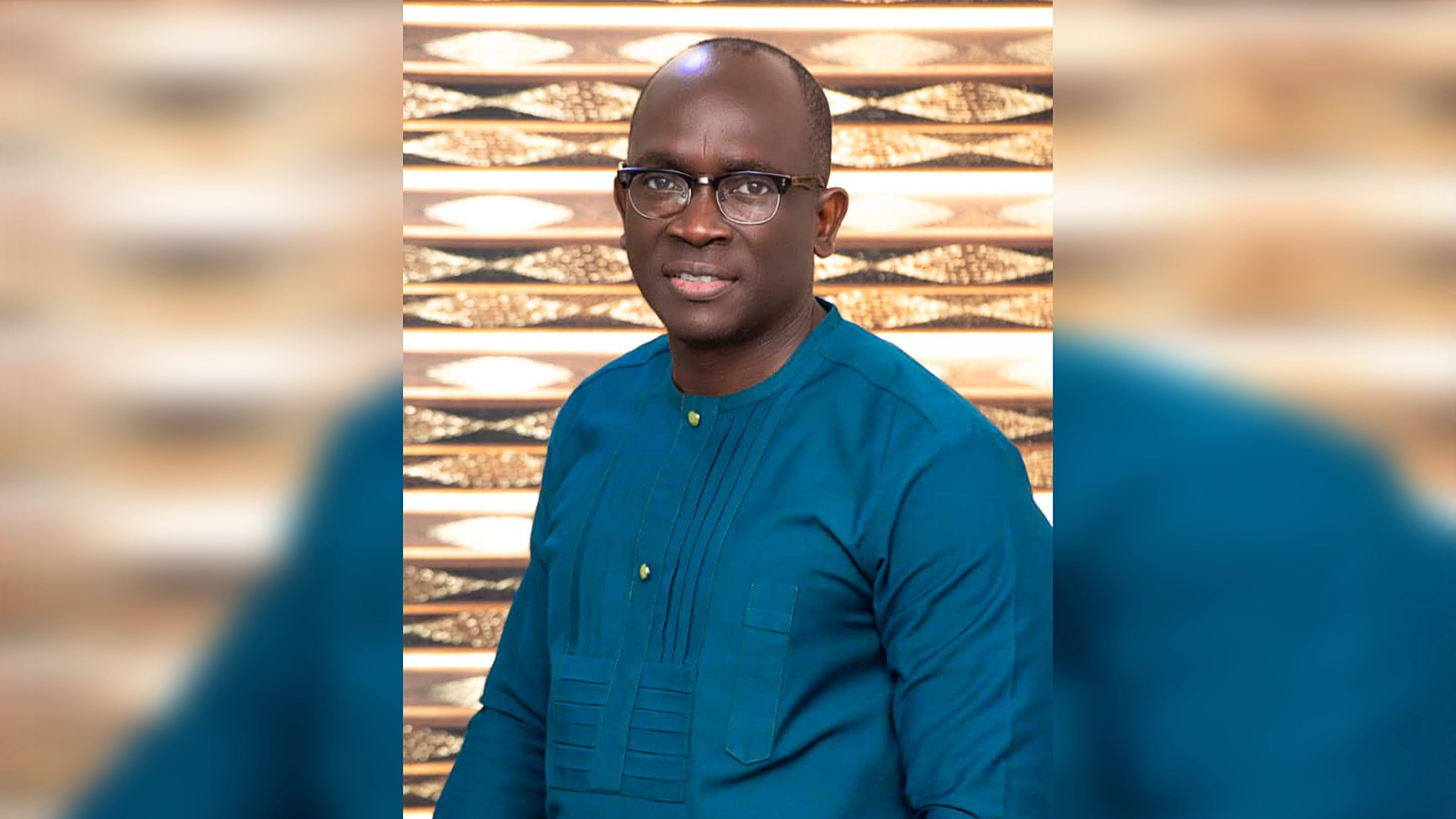
NECA's Director-General, Adewale-Smatt Oyerinde, advocates pre-engagement sessions with labour to prevent industrial crisis ahead of 2027 minimum wage negotiations.
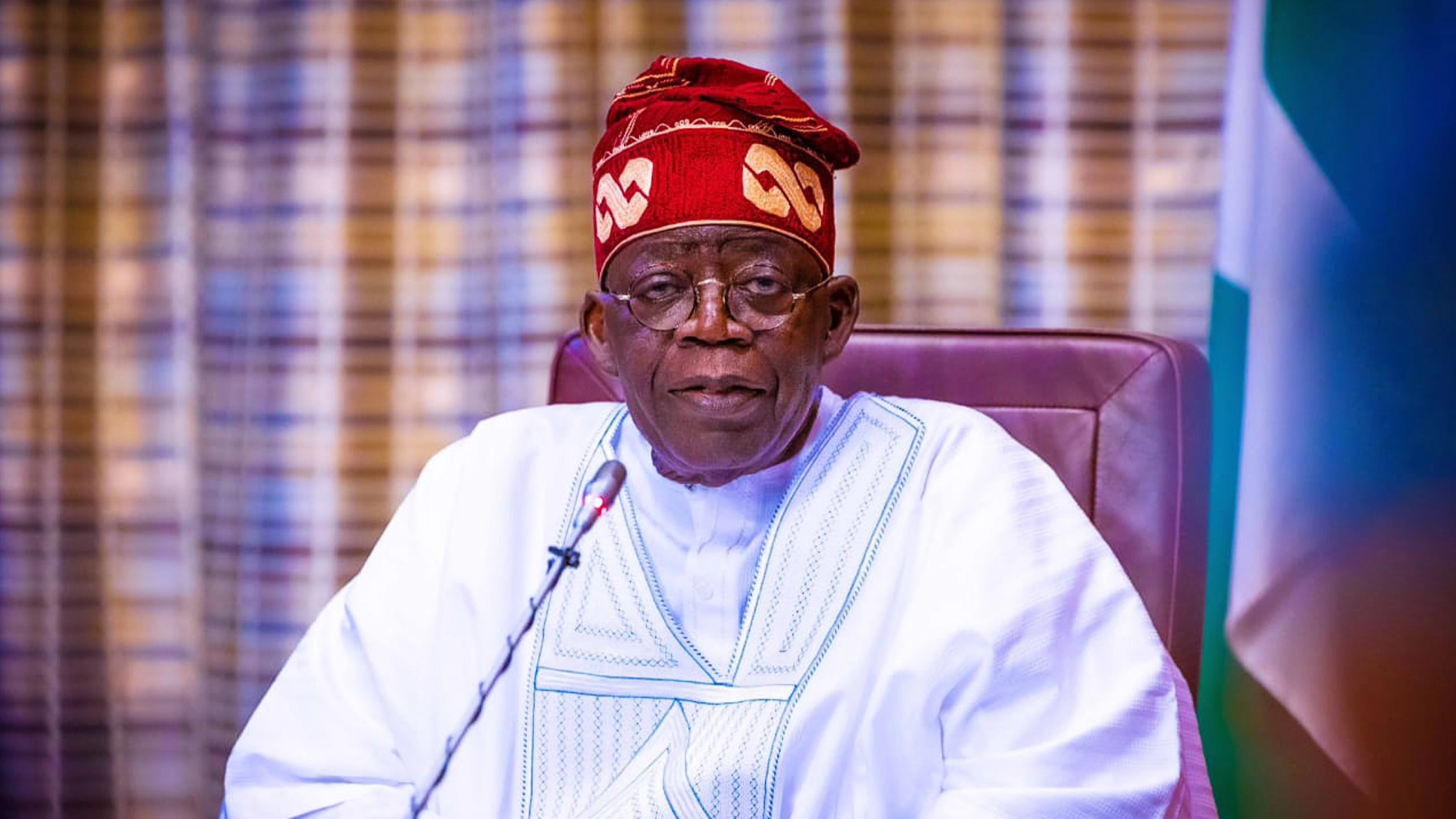
Nigeria's 2026 green tax on vehicles sparks debate: is it climate action or a revenue grab? Experts question its effectiveness amid weak infrastructure and inequality.
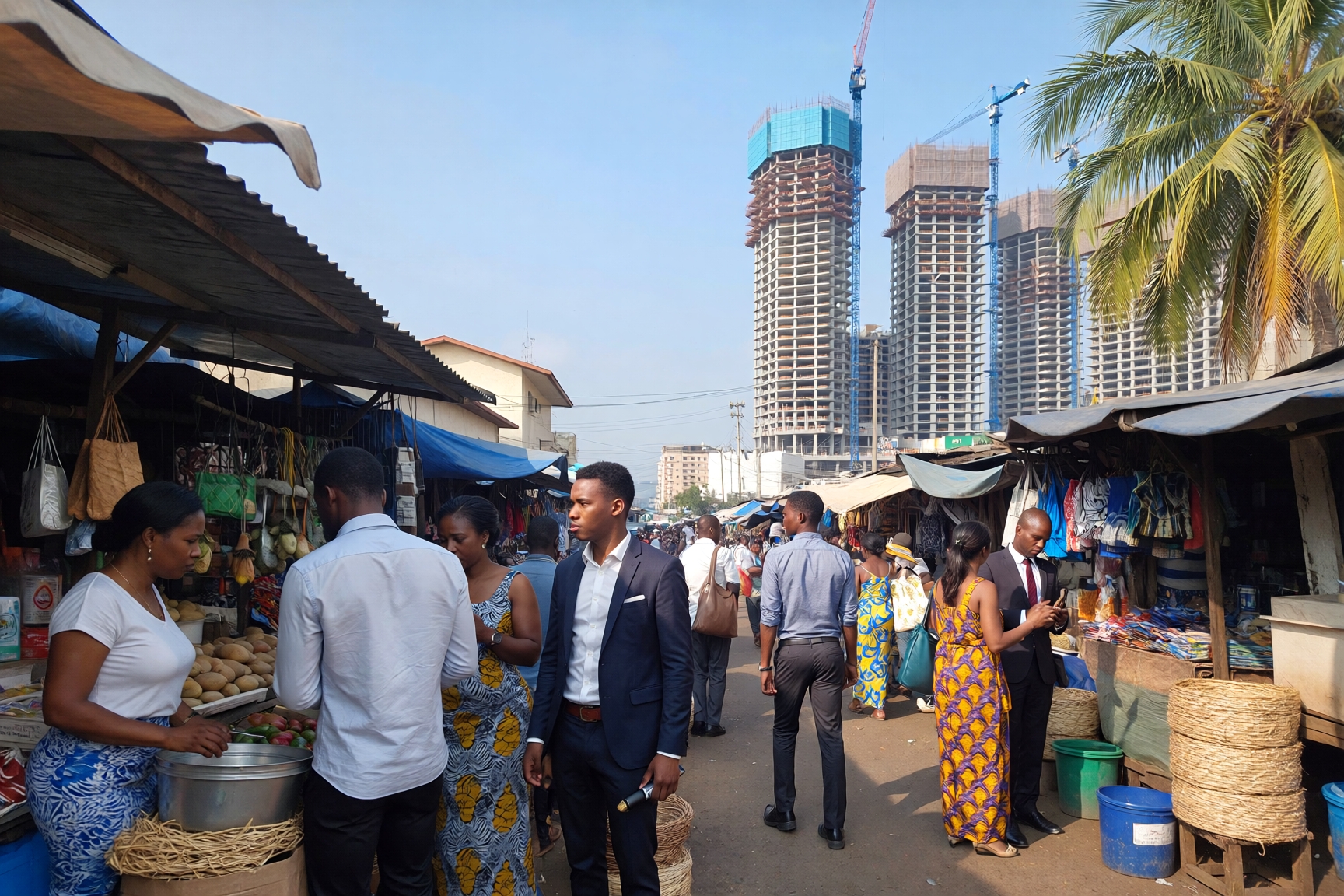
Nigeria is a lower-middle-income country with a GDP per capita of $824, yet 63% of its population experiences multidimensional poverty, creating a wealth paradox.
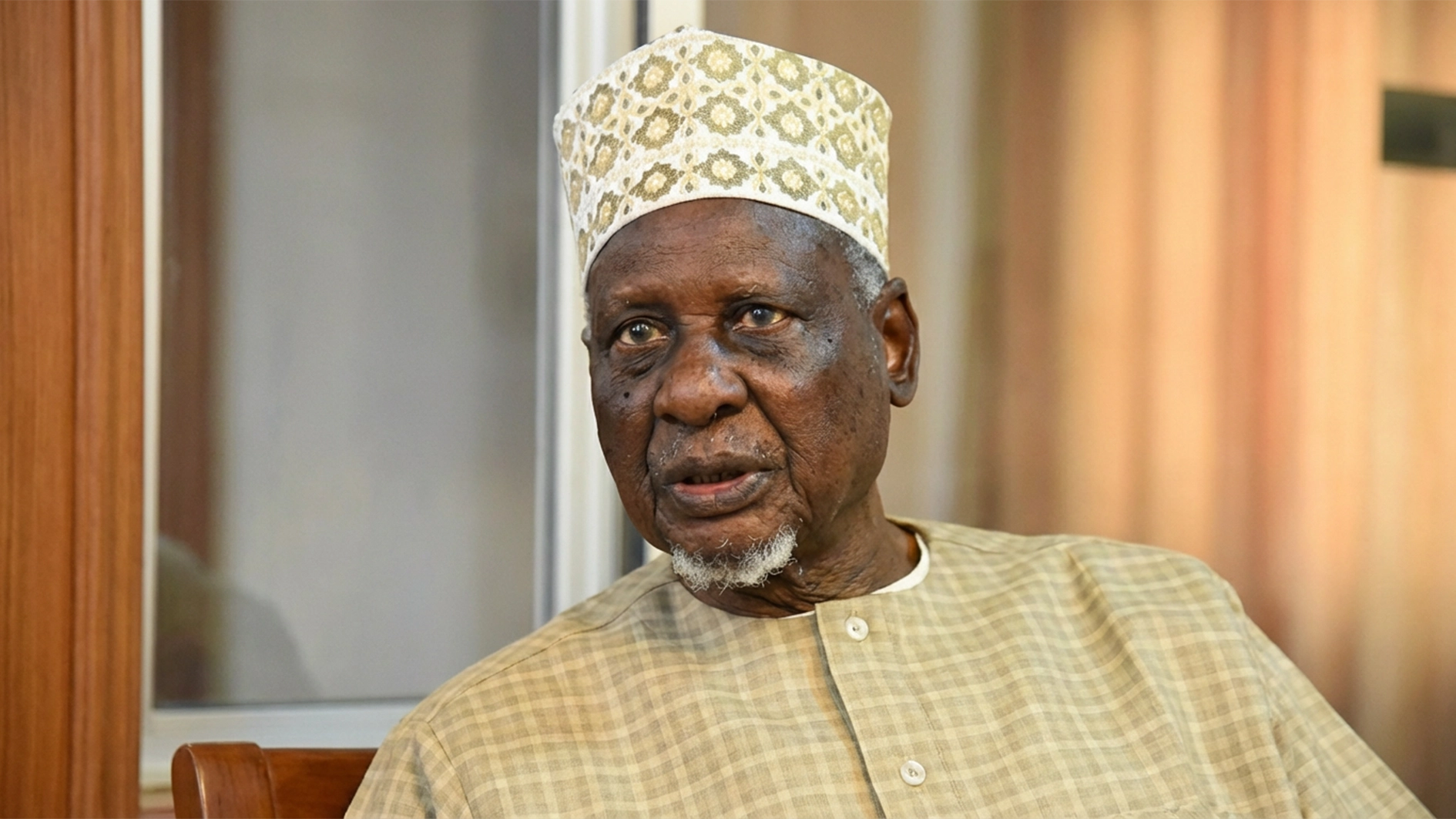
The North-West Climate Summit 2026 aims to reposition the region from climate vulnerability to a hub for investment, resilience, and green economic growth.
Nigerian naira weakens against dollar amid surging demand and liquidity challenges. Banks adjust rates as FX pressure mounts.
)
Nigerians face higher cooking gas costs as LPG prices jump to ₦7,655 for 5kg in March 2026, driven by forex pressures and global energy trends, NBS reports.
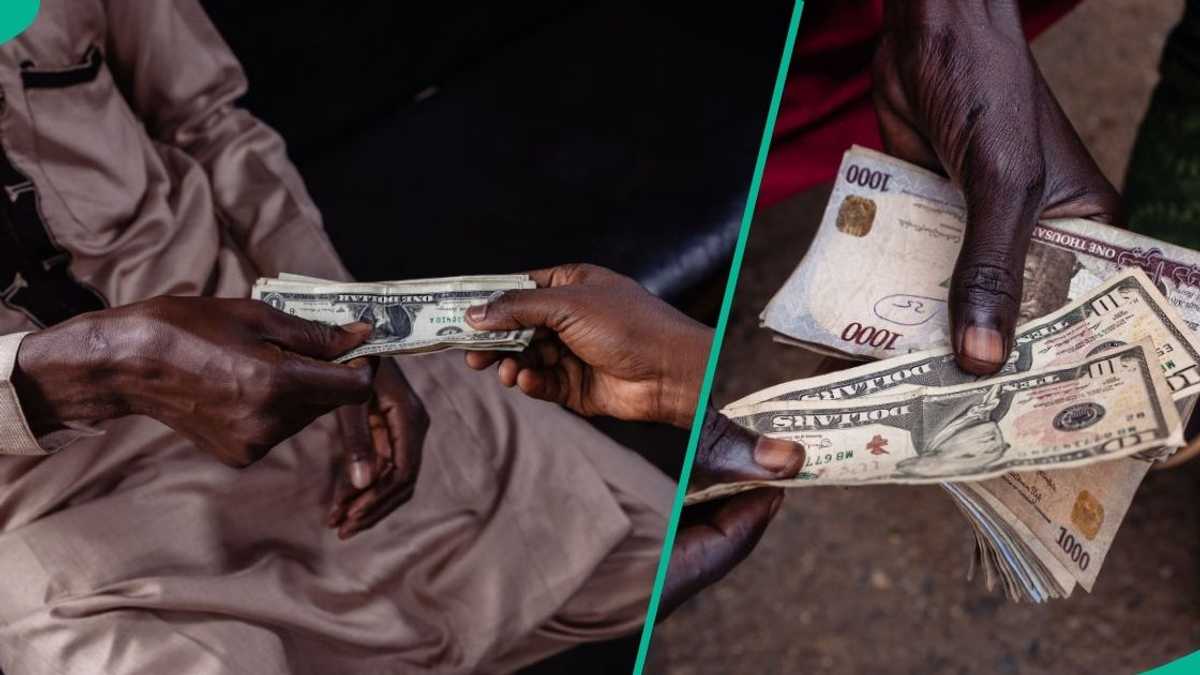
The naira strengthened to N1,390 per dollar in the parallel market but depreciated by N14 to N1,383 at the official NFEM window, narrowing the gap to N7.
The World Bank forecasts a 16% rise in commodity prices in 2026, driven by Middle East conflict and energy disruptions, impacting global inflation and growth.
The House of Representatives approved a $516.3 million loan for the Sokoto-Badagry Superhighway. The National Assembly will adjourn for party primaries ahead of 2027 elections.
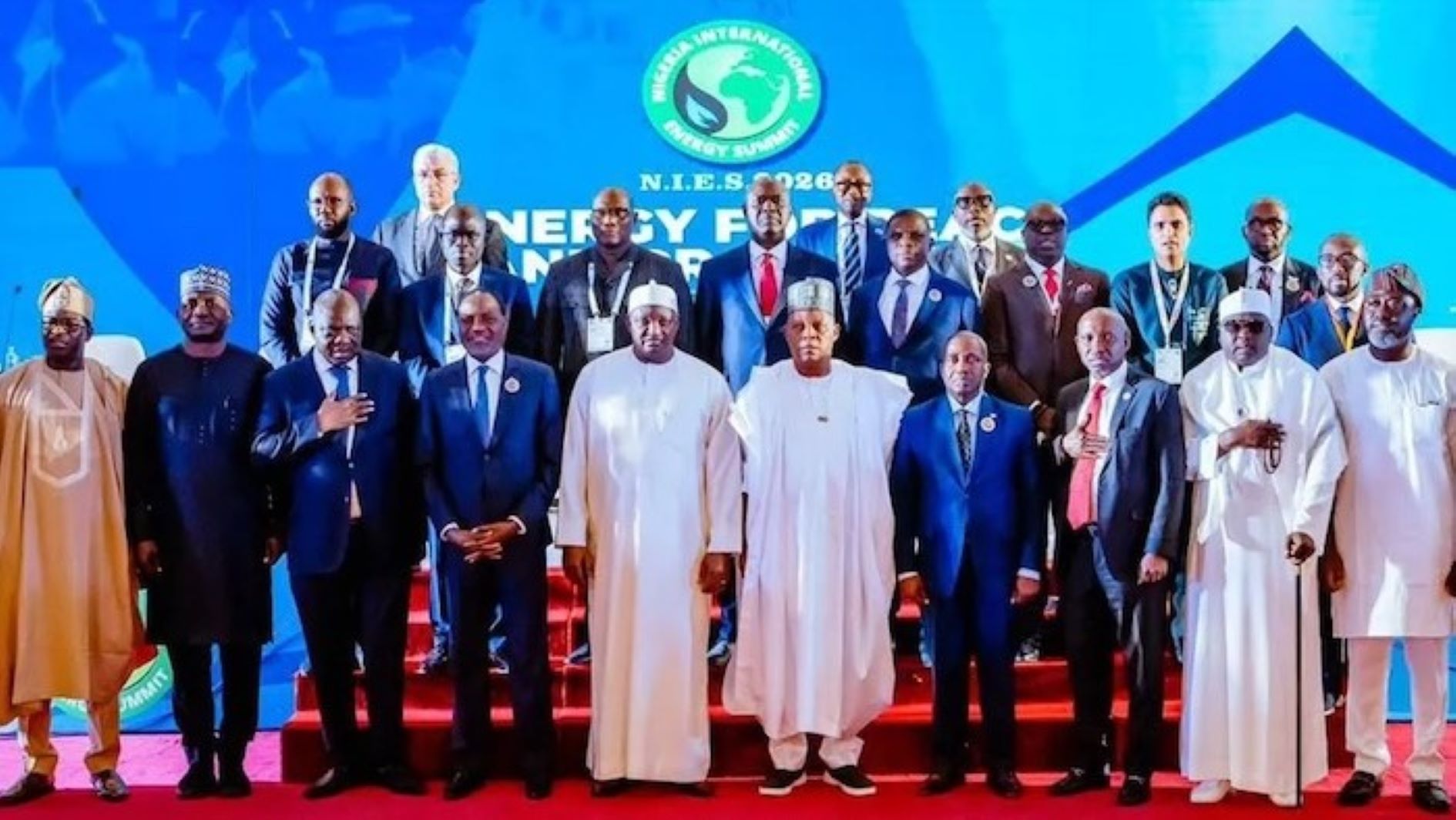
Nigeria scouts for global investors at the inaugural Nigeria Climate Investment Summit in London, focusing on energy transition and carbon markets.
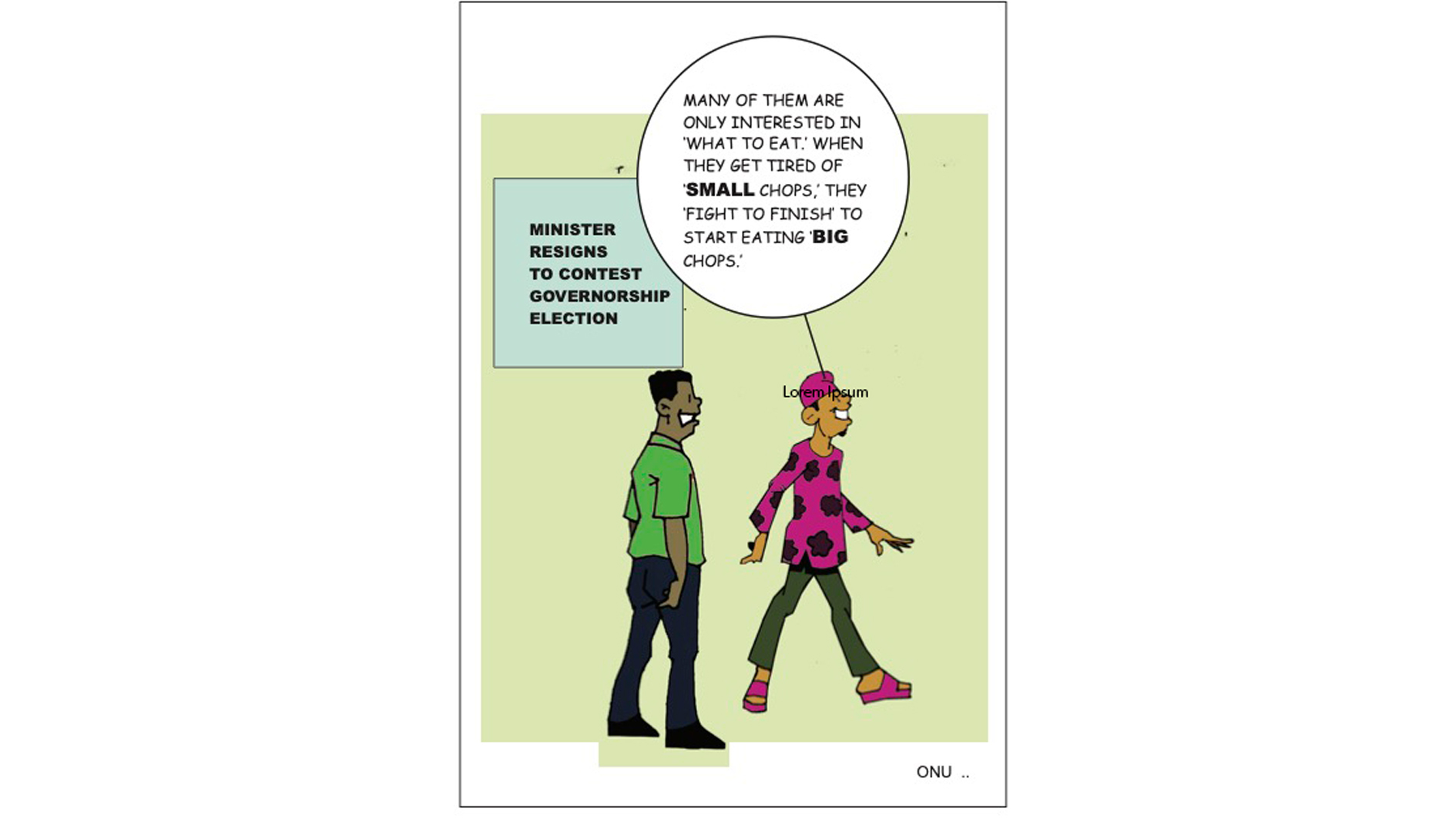
A cartoon commentary on Nigeria's economic struggles in 2024, highlighting inflation, unemployment, and policy impacts on citizens.
China Shock 2.0 brings high-tech exports, lower prices, and green tech. Despite protectionist fears, it offers a deflationary lifeline for the global middle class.
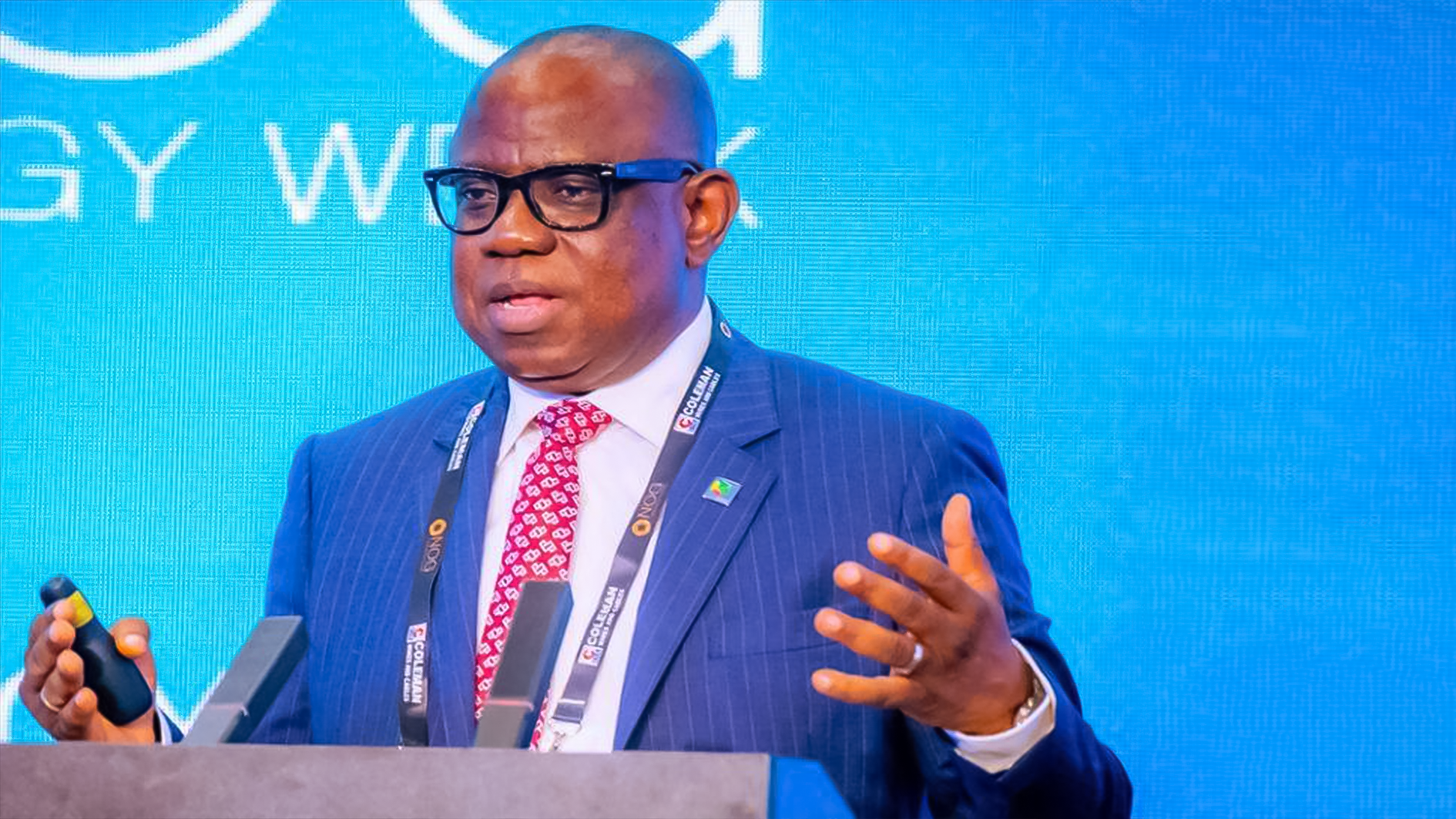
An analysis of NNPC Ltd's structural challenges, governance issues, and the path to reform, highlighting the need for institutional performance over optimism.
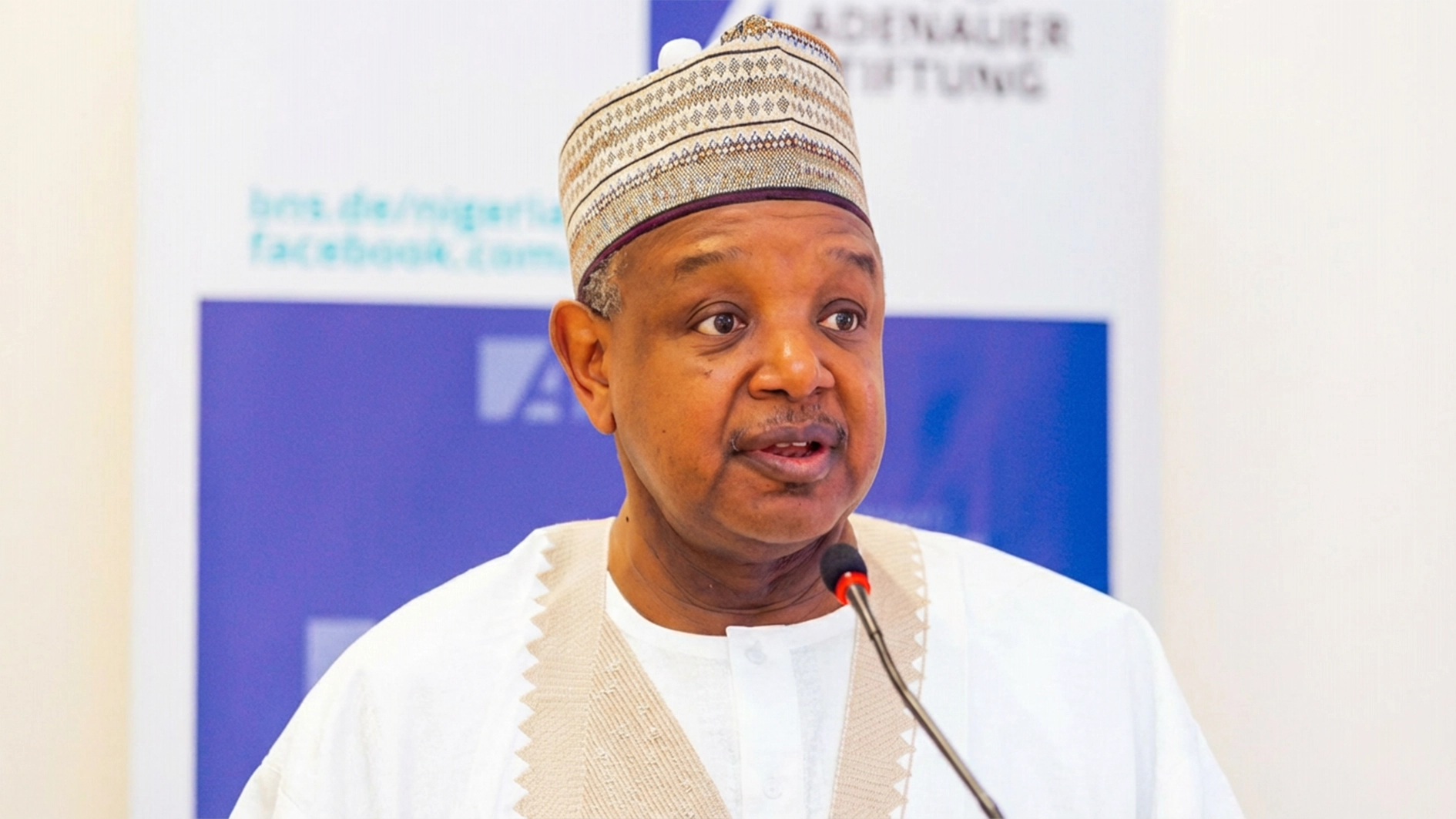
Minister Abubakar Bagudu says women's empowerment is critical to Nigeria's economic growth, calling for dismantling barriers and boosting productivity.
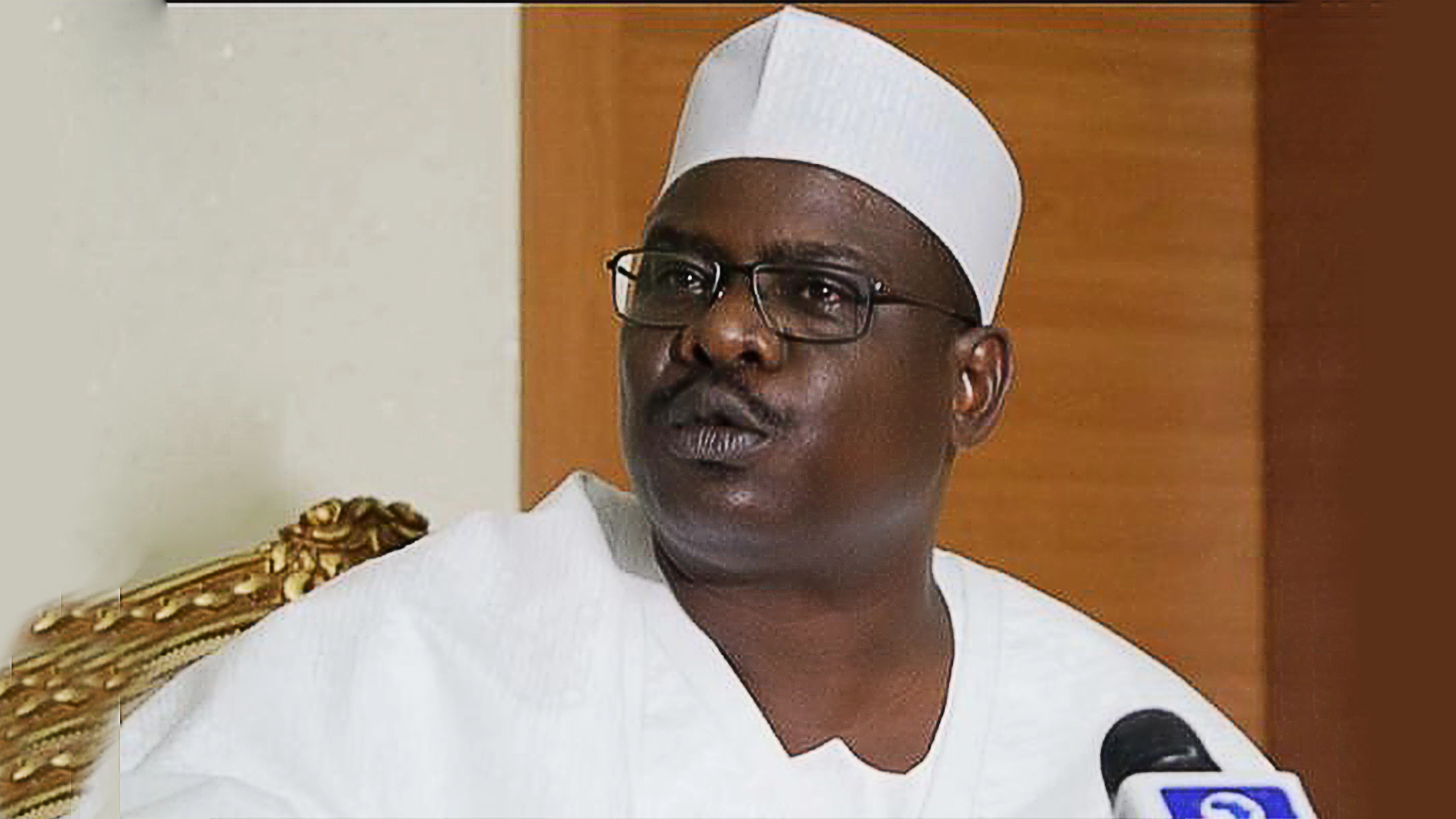
Former Senate Leader Ali Ndume commends President Tinubu for approving ₦68 billion to sustain the Maiduguri Emergency Power Plant, boosting economy and security in Borno.
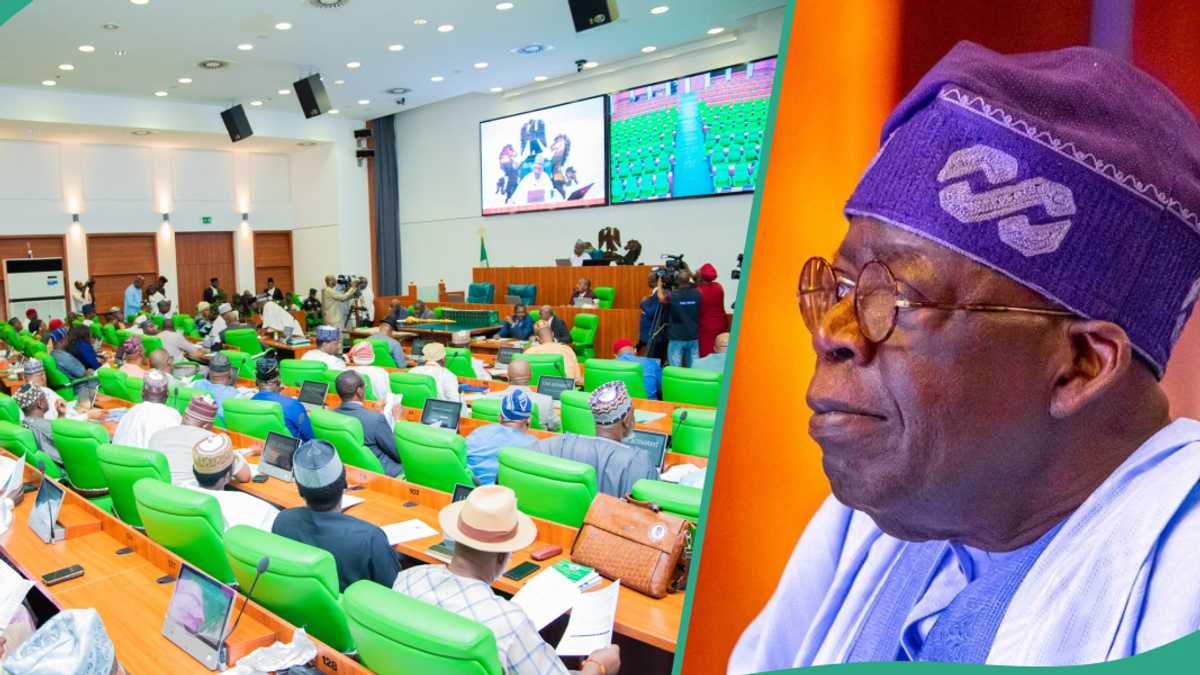
Nigeria's House of Representatives approved President Tinubu's request to borrow $516 million for the Sokoto-Badagry Superhighway, aimed at boosting connectivity and economic growth.
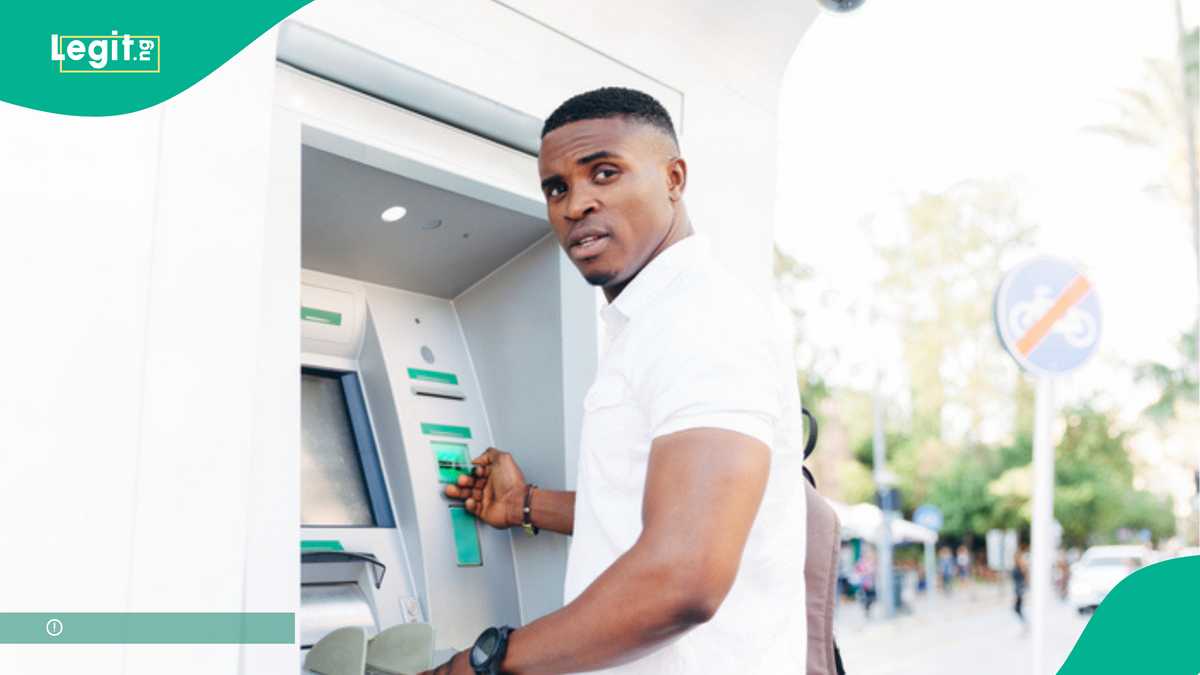
The Central Bank of Nigeria introduces zero fees for transfers below ₦5,000, while higher-value transfers may cost ₦60 due to stamp duty changes.

The Federal Government reveals that over 80% of women-owned businesses in Nigeria lack access to formal credit, limiting growth. Stakeholders urged to improve capital access.