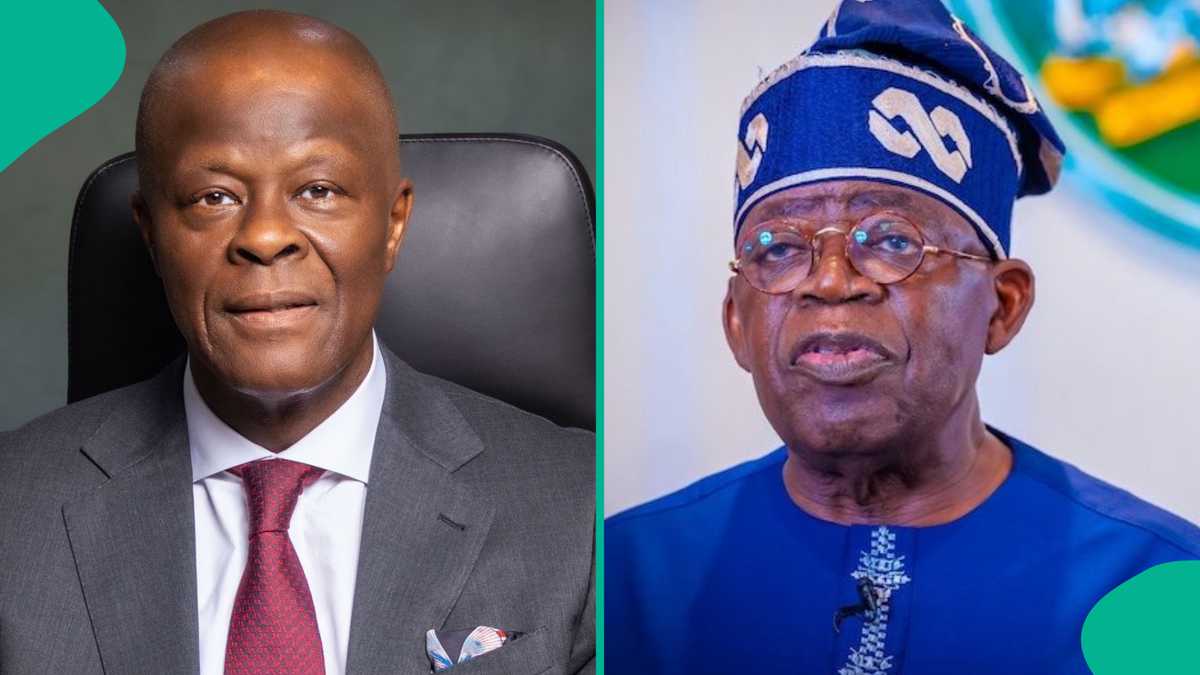
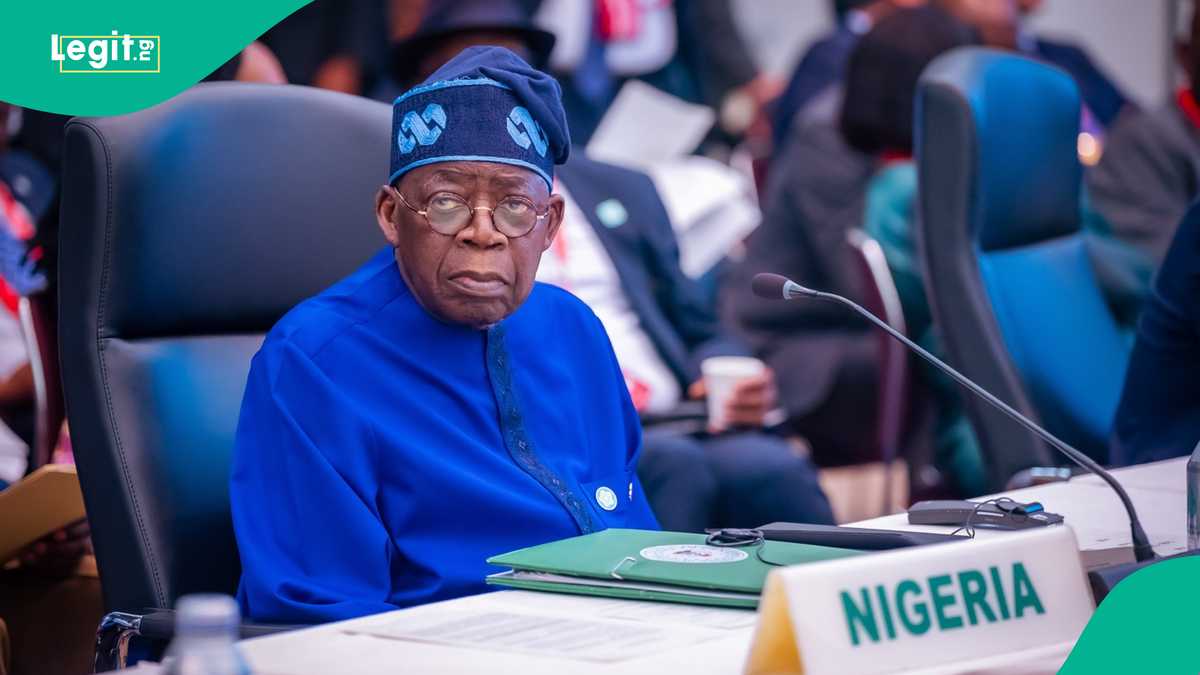
Wale Edun Speaks Out After Tinubu Sacks Him
Wale Edun reflects on his tenure as Finance Minister, calling it an honour. He highlights economic growth from 2% to 4% and inflation drop from 35% to 15%.

Wale Edun reflects on his tenure as Finance Minister, calling it an honour. He highlights economic growth from 2% to 4% and inflation drop from 35% to 15%.

An analysis of Finance Minister Wale Edun's seven major economic policies, including naira float and subsidy removal, and their profound effects on Nigerian households and businesses during his tenure.
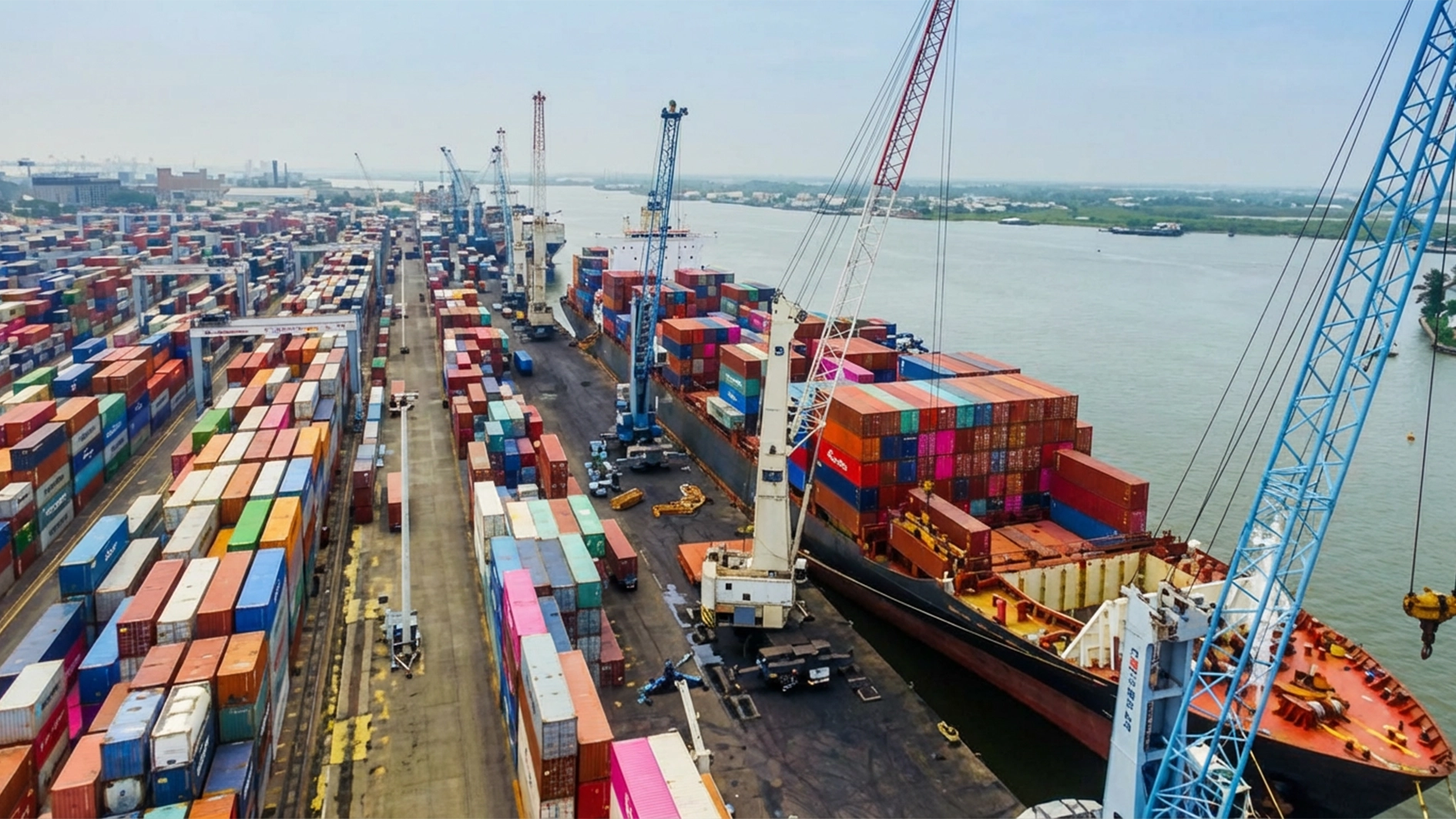
A new report reveals that dilapidated infrastructure is a major barrier to intra-African trade, with logistics costs far exceeding global benchmarks, hampering regional integration efforts.

This analysis critiques Nigeria's economic policies, highlighting failures in steel production, energy, and youth unemployment, urging strategic reforms to secure global influence amid geopolitical tensions.
Financial experts at The Global Wealth and Legacy Forum in Lagos emphasize the critical need for long-term wealth planning and global investment strategies to combat inflation and currency volatility, highlighting legacy planning and offshore solutions.
African economies hold $1 trillion in domestic savings but lack pathways to productive investment. Development banks must align regulations, build platforms, and create analytical infrastructure to channel capital effectively.
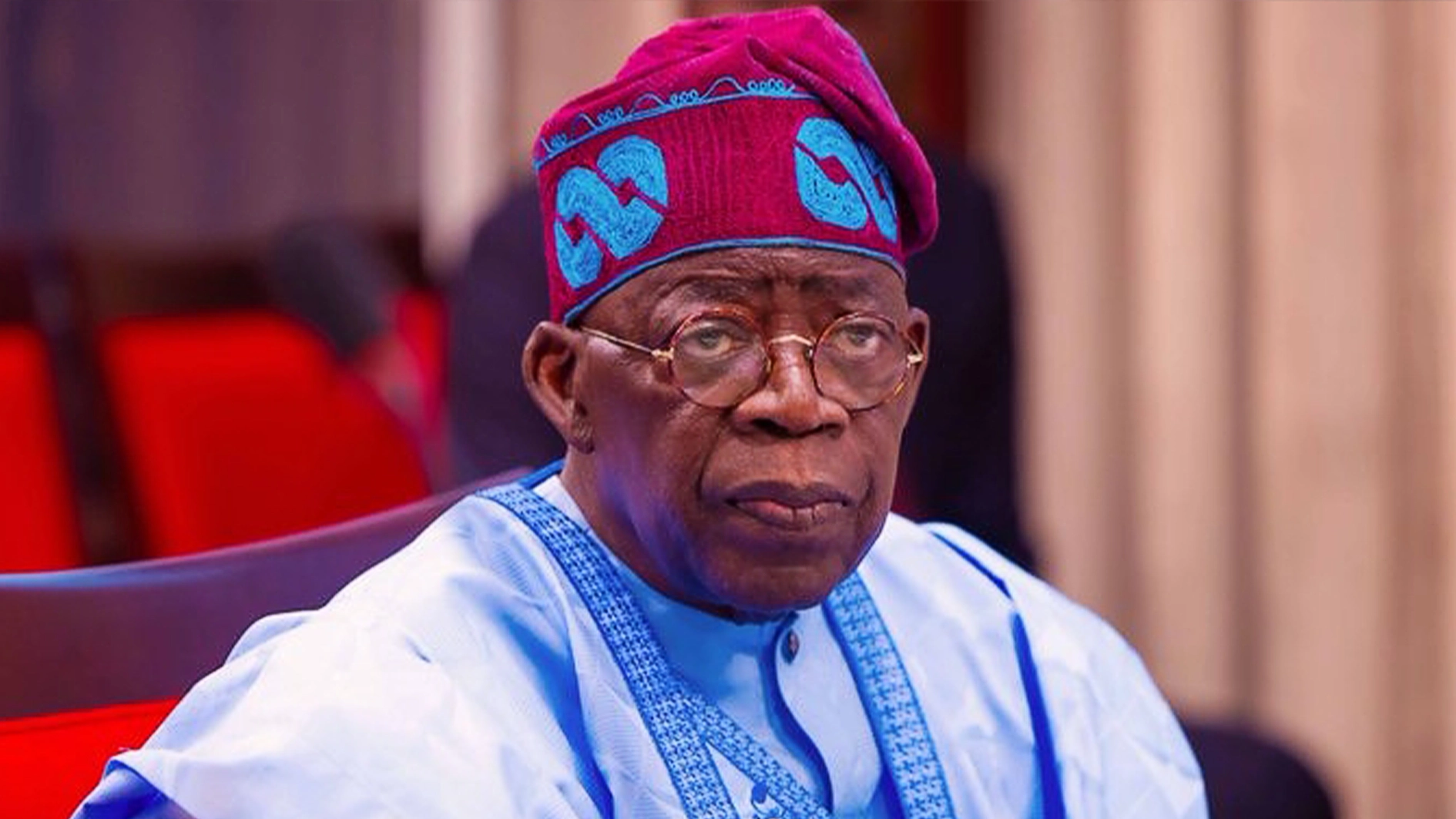
A new report reveals that dilapidated infrastructure is a major barrier to intra-African trade, with logistics costs far exceeding global benchmarks, undermining regional integration efforts across the continent.

Industry leaders stress that Nigeria must focus on execution and quality standards to unlock its export potential, as market access alone is insufficient for global competitiveness.
Minister Jumoke Oduwole outlines reforms like the National Single Window and tax changes to boost MSMEs, but experts caution that policy inconsistency could undermine these efforts.
Economist Dr Muda Yusuf warns that the Middle East crisis could disrupt Nigeria's 2026 budget execution despite potential oil revenue gains, citing volatility and existing commitments.
Nigeria's domestic debt servicing surged by 46% to N8.61 trillion in 2025, now exceeding external debt costs. Treasury bill interest payments tripled, highlighting growing fiscal pressures as debt servicing surpasses capital expenditure by N3.9 trillion.
Former Finance Minister Wale Edun expressed gratitude to President Tinubu and Nigerians for the opportunity to serve, noting economic growth rose from 2% to over 4% and inflation dropped from 35% to 15% under the administration's reforms.
Former Finance Minister Wale Edun expressed gratitude to President Tinubu for the opportunity to serve, highlighting economic growth rising from 2% to over 4% and inflation dropping from 35% to 15% under the administration's reforms.
)
Discover practical strategies for Nigerian salary earners to redefine comfort, plug financial leaks, and enjoy life sustainably despite rising inflation and economic pressures.

The US dollar surged to a 7-day high due to escalating US-Iran tensions, while Nigeria's naira depreciated to around ₦1,349.67 per dollar and external reserves fell by $1.4 billion, raising economic concerns.
)
Nigeria's domestic debt has surged to ₦80.49 trillion following a ₦100 billion borrowing from unclaimed private funds, signaling growing fiscal pressure and a shift toward unconventional financing sources under the Finance Act 2020.

Nigeria loses $250 billion annually from poor waste management, but a new initiative led by Amb. Dr. Ekpoye Promise Nakus aims to convert this crisis into wealth through recycling plants and job creation.

Analysis of Nigeria's economic and strategic weaknesses amid global conflicts, highlighting reliance on oil, food imports, and lack of industrial capacity, with comparisons to historical and contemporary nations.
Finance Minister Wale Edun asserts that Nigeria's economic reforms under President Tinubu are transitioning the country from vulnerability to a stable, growth-oriented path, as discussed at the World Bank-IMF Spring Meetings.

Chief Economist Paul Alaje expresses worry over reports of unbudgeted government expenditures, emphasizing risks to fiscal discipline and transparency amid World Bank data controversy.

Explore the complexities of family income in Nigeria, including average earnings, income brackets, and practical steps to assess household economic status in Africa's largest economy.
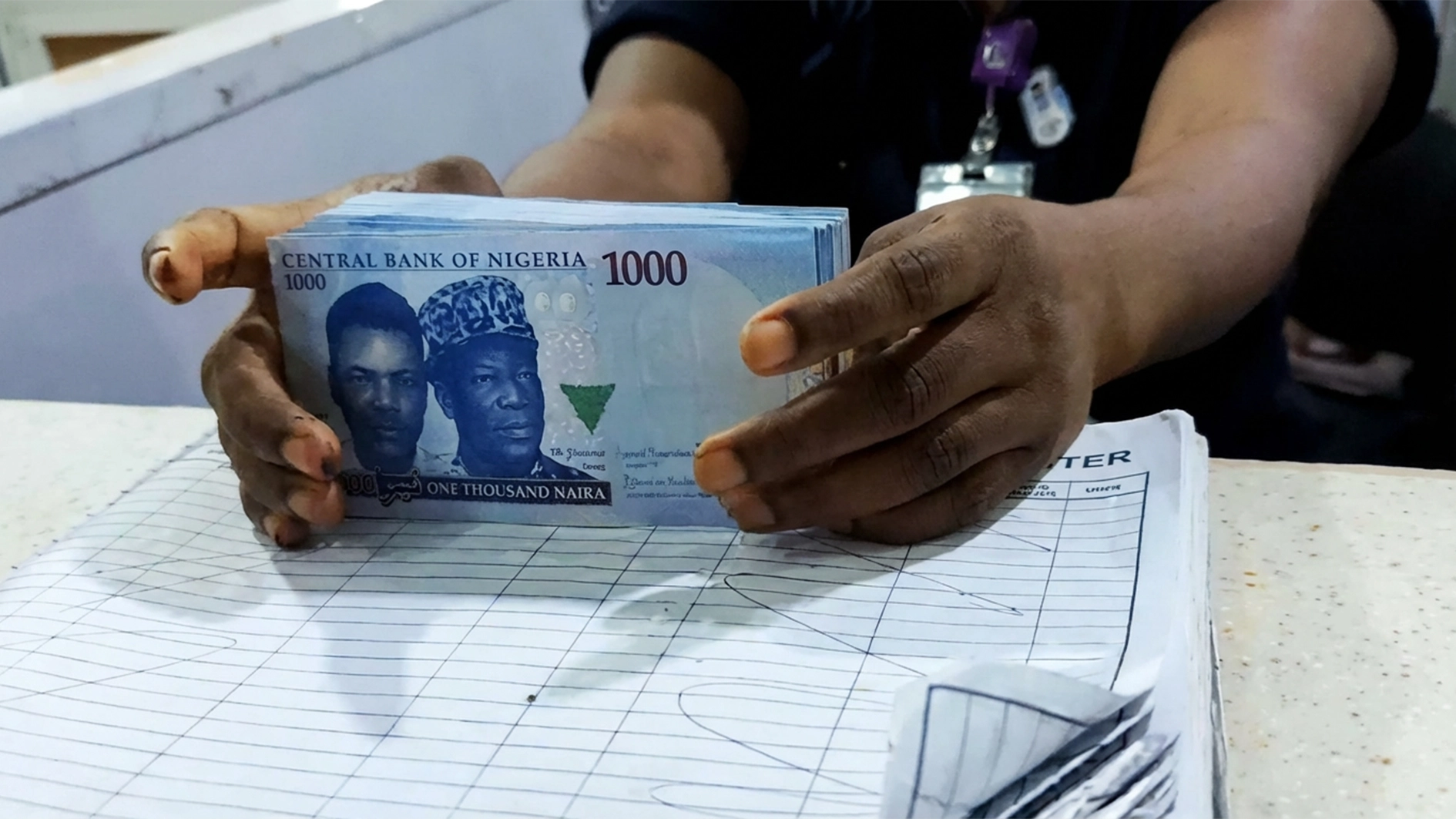
Cowry Asset Management warns Nigeria's rising debt could hinder growth, stressing the need for revenue expansion and prudent spending to ensure sustainability amid N159.28 trillion debt.
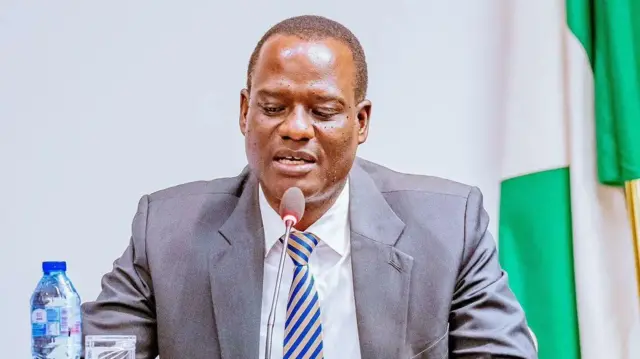
The Federal Government clarifies that FAAC deductions are legitimate fiscal obligations, not revenue diversions, as per the World Bank's Nigeria Development Update.
Nigeria's domestic debt has surged to ₦80.49 trillion following the Federal Government's ₦100 billion borrowing from unclaimed private assets, signaling growing fiscal pressure and a shift toward unconventional funding sources.

Nigeria's economy demonstrated steady performance in Q1 2026, with experts highlighting resilience despite challenges like insecurity and uneven sectoral growth. Key economists discussed improvements in macroeconomic stability and the need for reforms.

SMEDAN raises concerns over low application rates for over N200 billion in grants for Nigerian MSMEs, citing distrust in government programmes as a key barrier.

The African Export-Import Bank (Afreximbank) has opened applications for its 2027 Internship Programme, offering young Africans a $1,000 monthly tax-free stipend, housing allowance, and visa support to gain hands-on experience in trade finance.
)
The Federal Government has implemented sweeping import bans on 17 categories of goods including poultry, cement, and medicines while introducing a 2% environmental levy on high-capacity vehicles as part of the 2026 Fiscal Policy Measures.
The Nigerian government has raised N100 billion through the Unclaimed Funds Trust Fund, tapping dormant bank accounts and unclaimed dividends to finance budget deficits. This move comes as Nigeria's total public debt reaches N187 trillion, highlighting gr

The federal government has dismissed allegations of hidden spending and revenue diversion, stating that FAAC deductions are legitimate fiscal obligations, not missing funds.