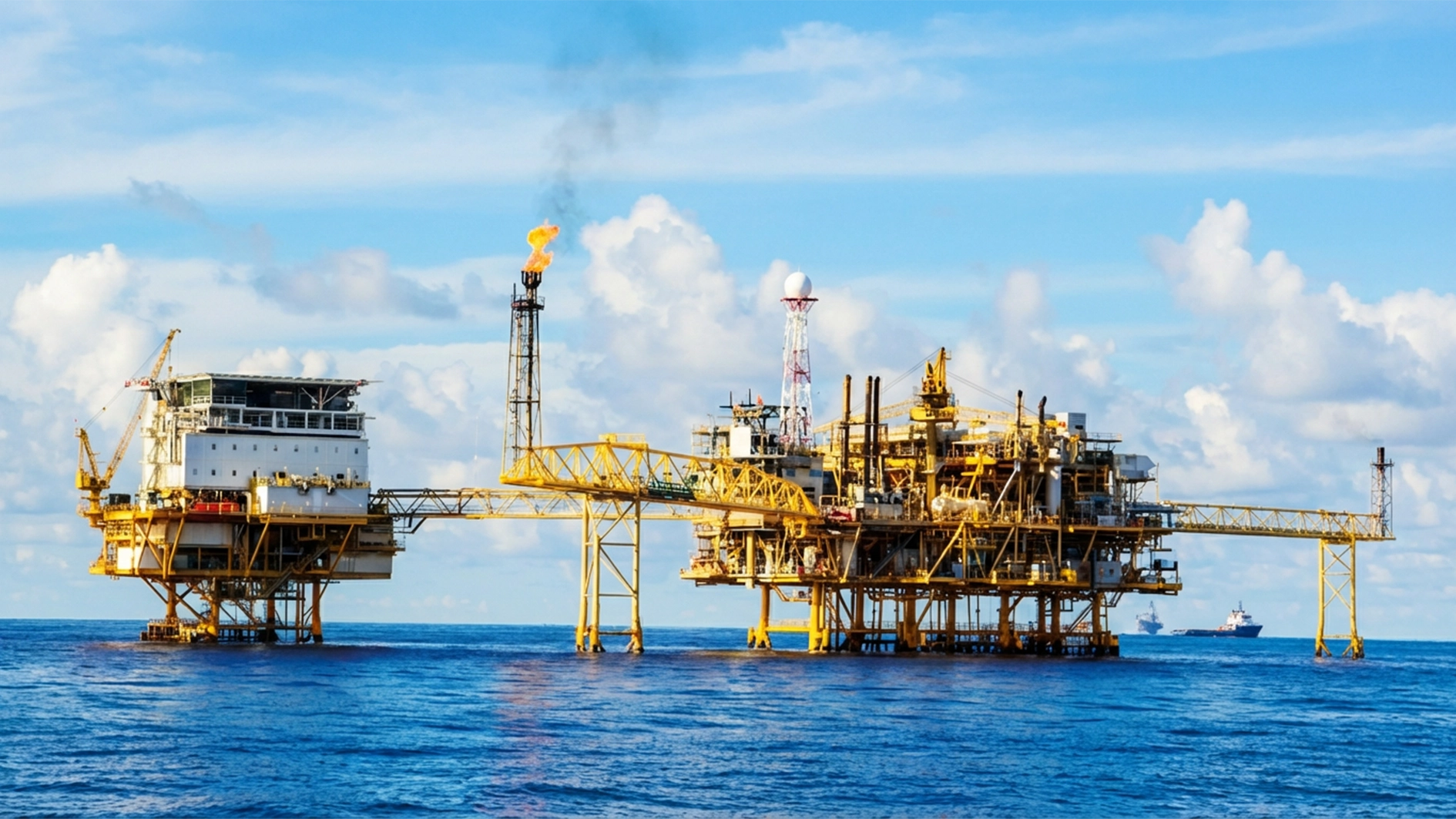
Middle East Tensions Fuel Inflation Fears in Nigeria
Geopolitical tensions in the Middle East are driving oil price volatility, reigniting inflation concerns, and potentially reshaping monetary policy in Nigeria, analysts warn.

Geopolitical tensions in the Middle East are driving oil price volatility, reigniting inflation concerns, and potentially reshaping monetary policy in Nigeria, analysts warn.
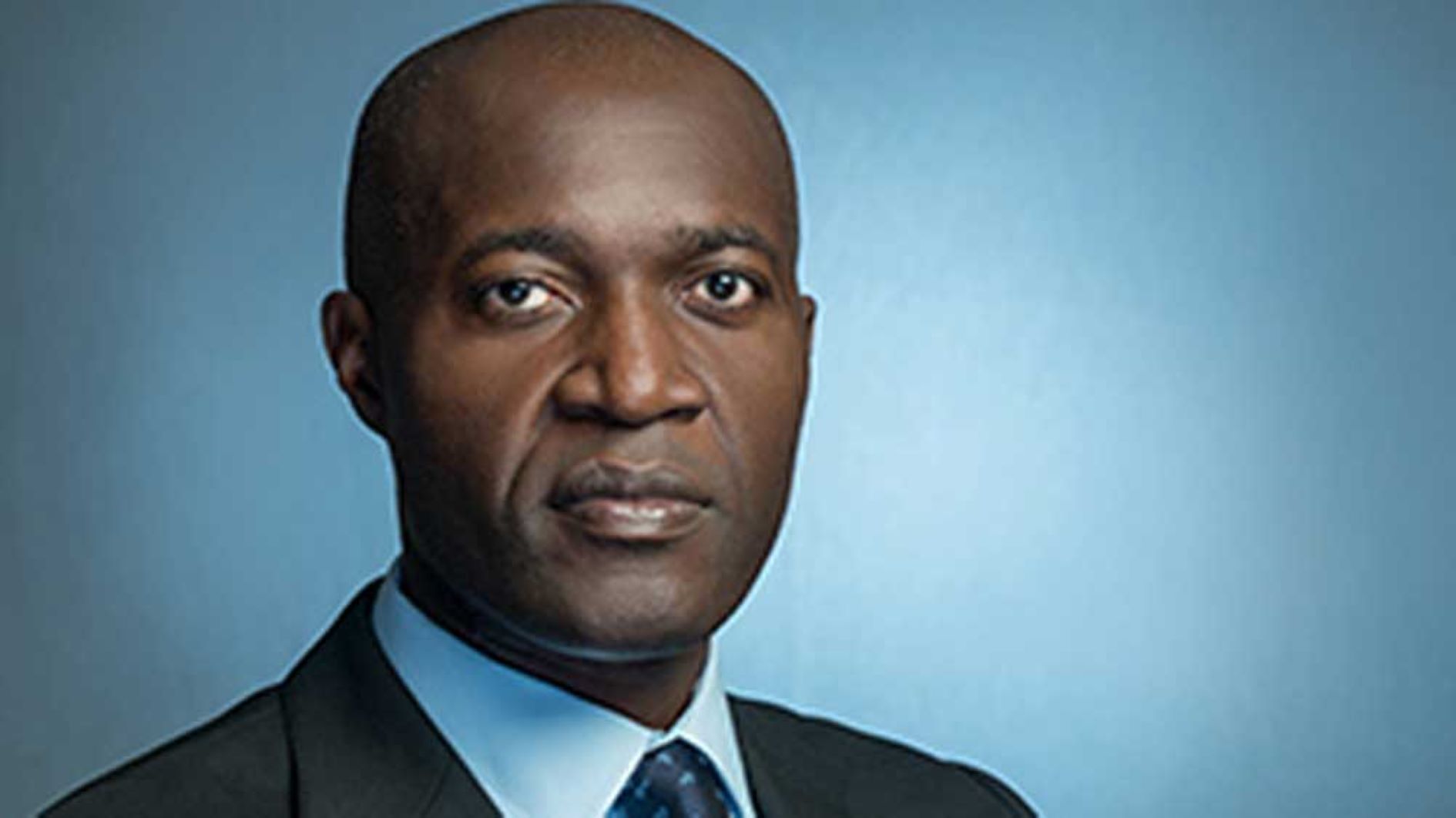
Financial leaders and government ministers at the Access Bank Africa Trade Conference called for urgent collaboration to overcome structural barriers hindering commerce across the continent.
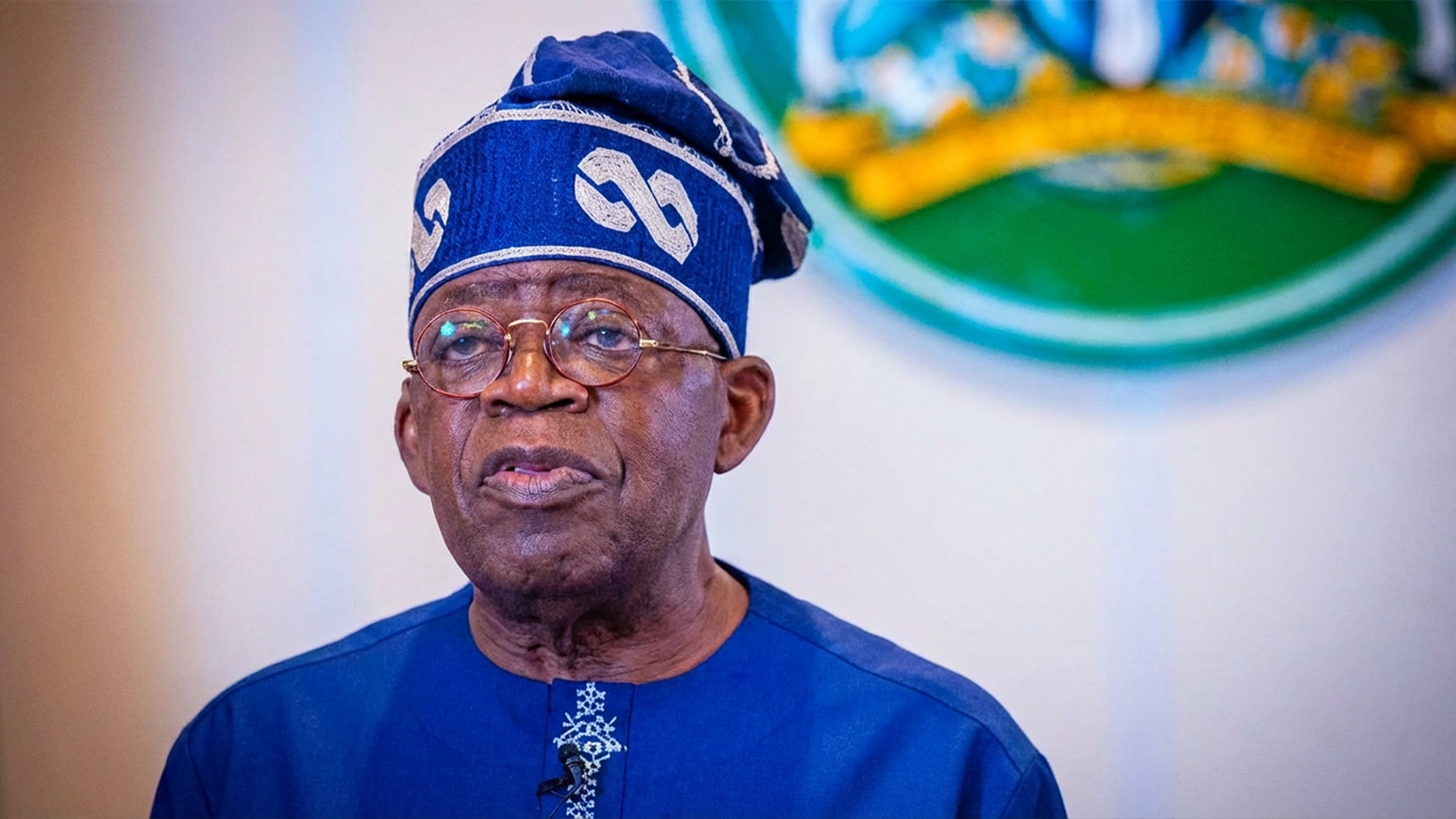
Youth leaders in Nigeria's South-East region have called on President Bola Tinubu to address the escalating cost of living, citing severe hardships from fuel and food price hikes.
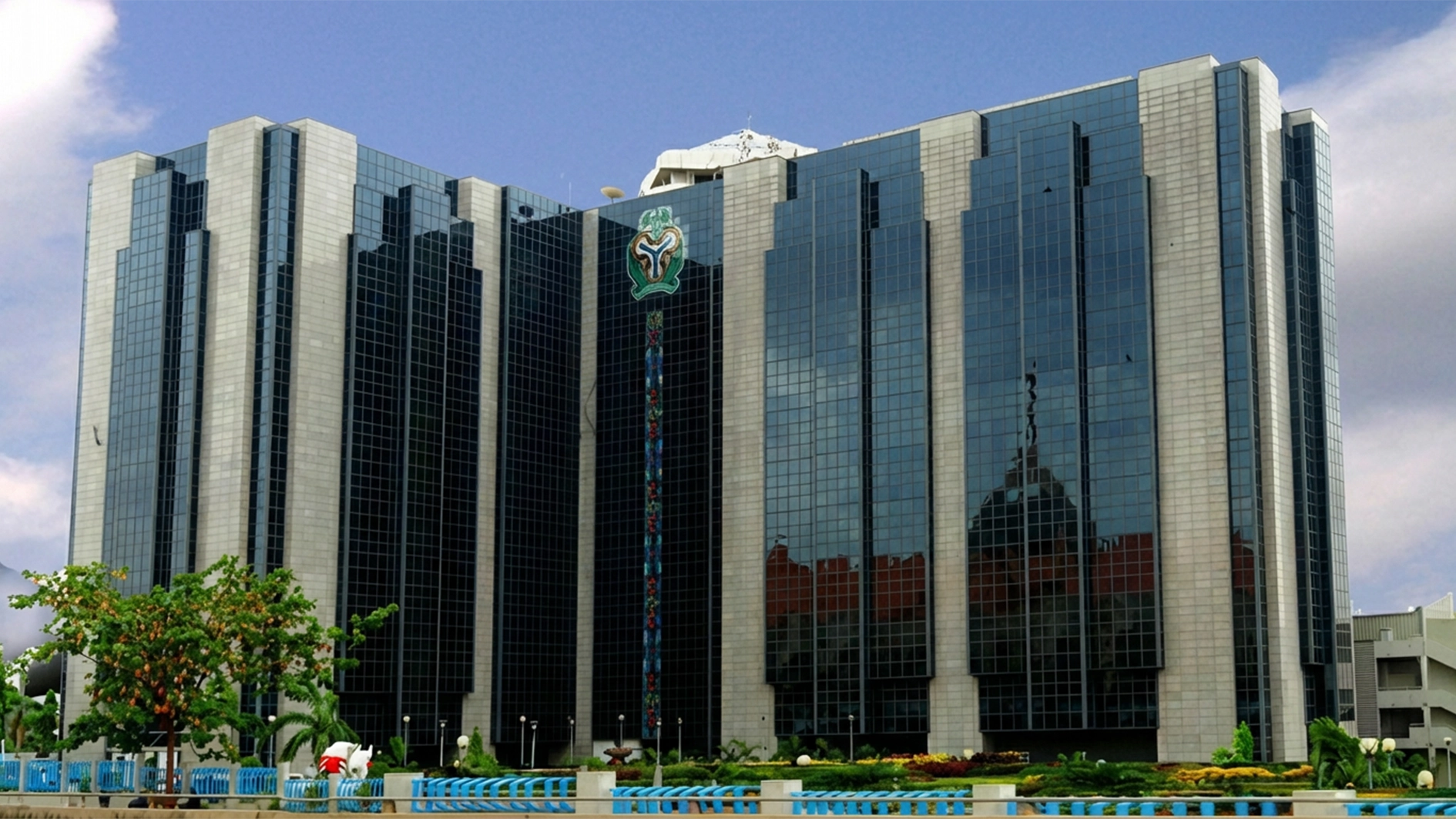
A Central Bank of Nigeria survey reveals businesses remain optimistic about the economy, with a Confidence Index of 39.4 points in February 2026, despite facing major hurdles like insecurity, high taxes, and poor power supply.
The Federation Accounts Allocation Committee has not disclosed January 2026 revenue figures, marking a fifth consecutive month of declining federal income, raising constitutional concerns.
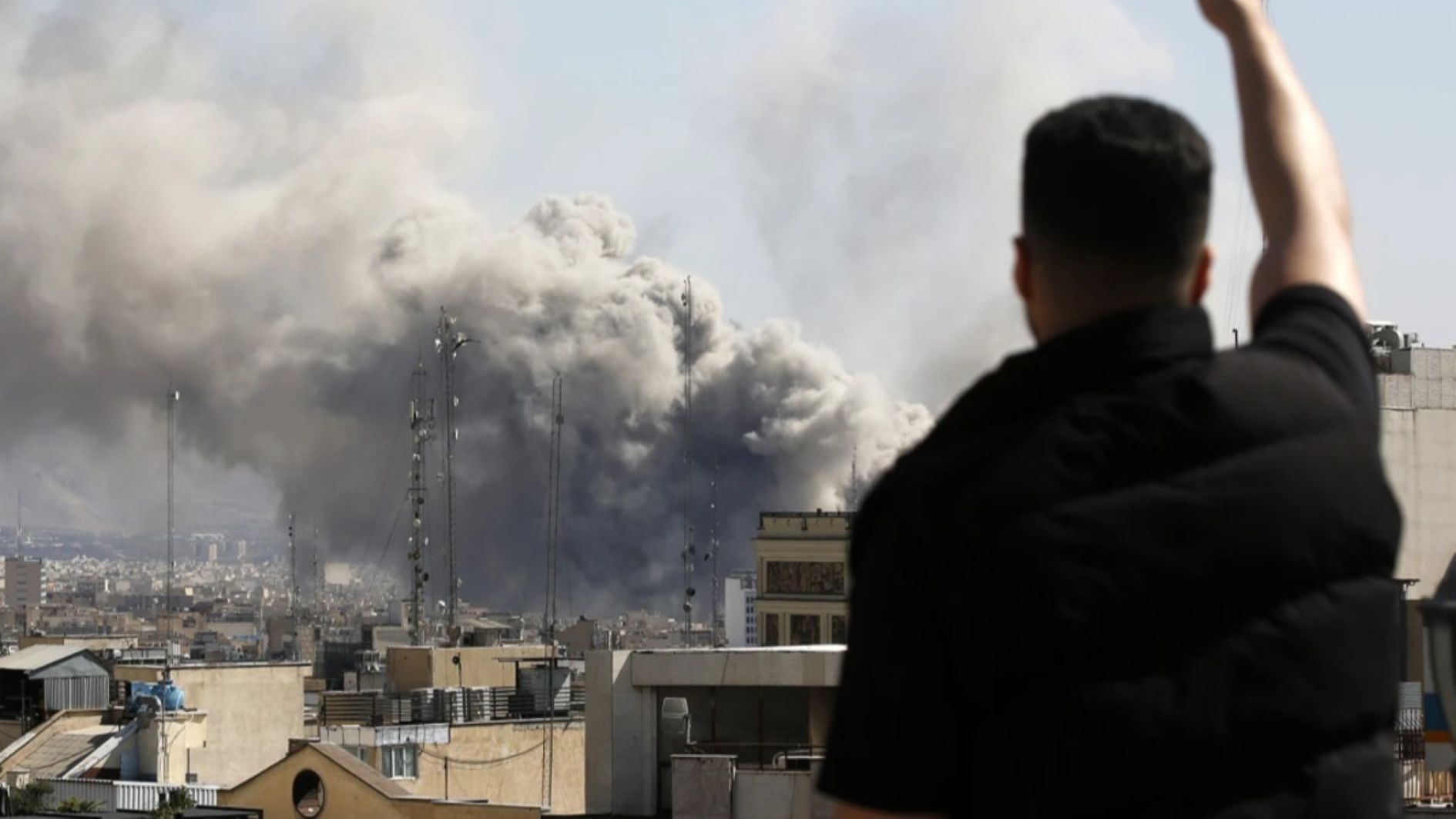
The escalating US-Iran conflict has shut down the Strait of Hormuz, spiking global oil prices. Nigeria faces fuel shortages and inflation, highlighting economic vulnerabilities in an interconnected world.
Dele Oye highlights how government failures in diplomacy, trade, and policy are hindering Nigeria's global market competitiveness and denying businesses access to international opportunities.

The IMF reports that sub-Saharan African governments are increasingly relying on domestic borrowing, reducing foreign exchange risks but introducing new financial vulnerabilities.

The escalating Middle East conflict involving the US, Israel, and Iran is driving up global oil prices, exacerbating Nigeria's inflation, transport, and food costs, and testing the resilience of SMEs and households.

Increased FAAC earnings from oil and subsidy removal provide Nigeria a rare opportunity to replenish depleted fiscal buffers like the Excess Crude Account, amid risks from political spending and debt pressures.
The Nigeria Labour Congress demands refinery operations and wage relief, while the Centre for the Promotion of Private Enterprise calls for strategies to support businesses amid rising energy costs.
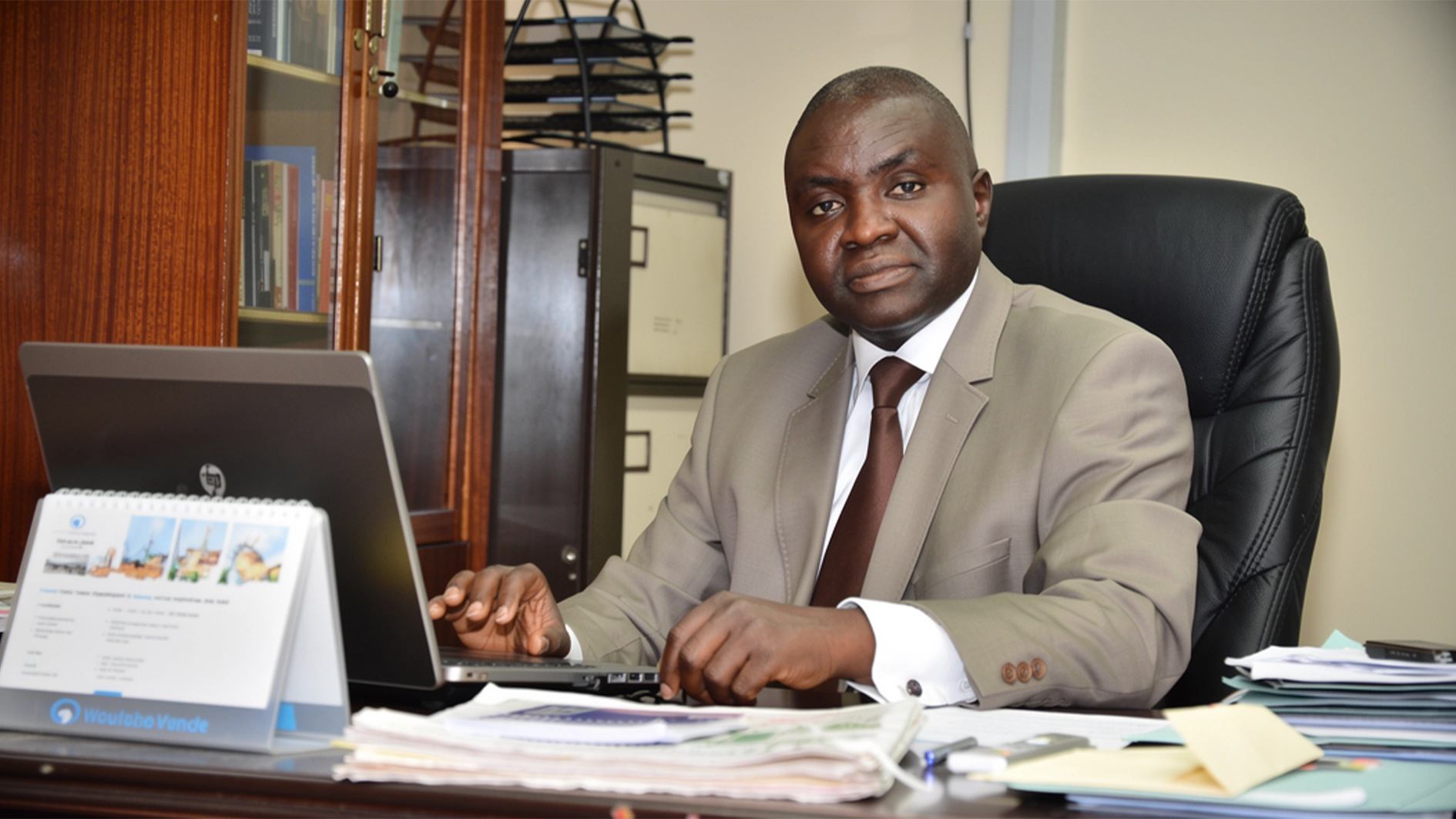
The Centre for the Promotion of Private Enterprise warns that rising global energy prices, driven by Middle East tensions, severely threaten Nigerian businesses. It urges efficiency improvements and government reforms to mitigate impacts.
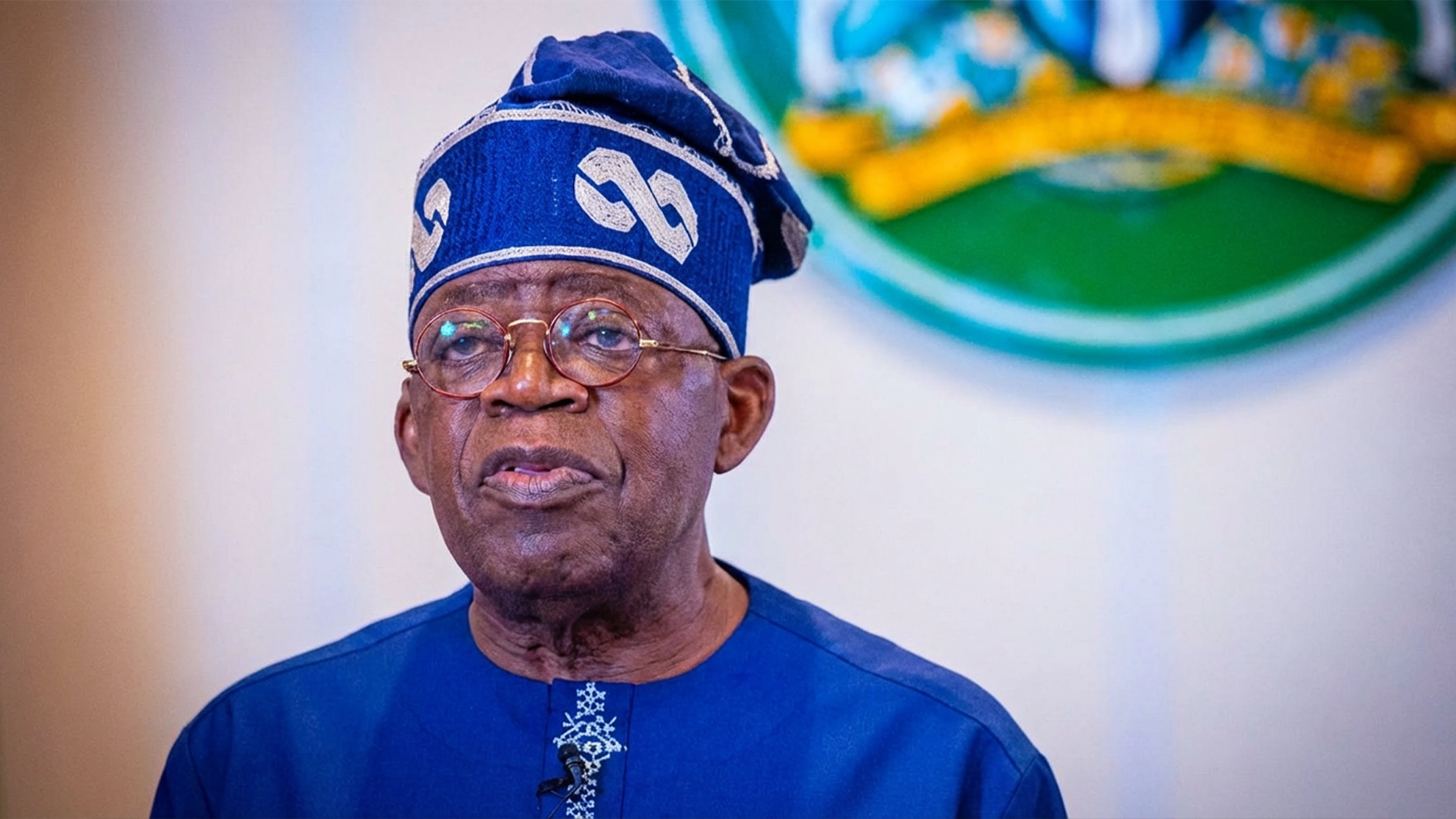
The Centre for the Promotion of Private Enterprise warns that rising global energy costs, driven by Middle East tensions, severely threaten Nigerian businesses. It urges energy efficiency, diversification, and government reforms to mitigate the crisis.

Nigeria's headline inflation rate fell to 15.06% in February 2026, down from 15.1% in January, as per NBS data. However, food inflation surged month-on-month, with states like Kogi and Bayelsa seeing the highest increases, driven by insecurity and transpo
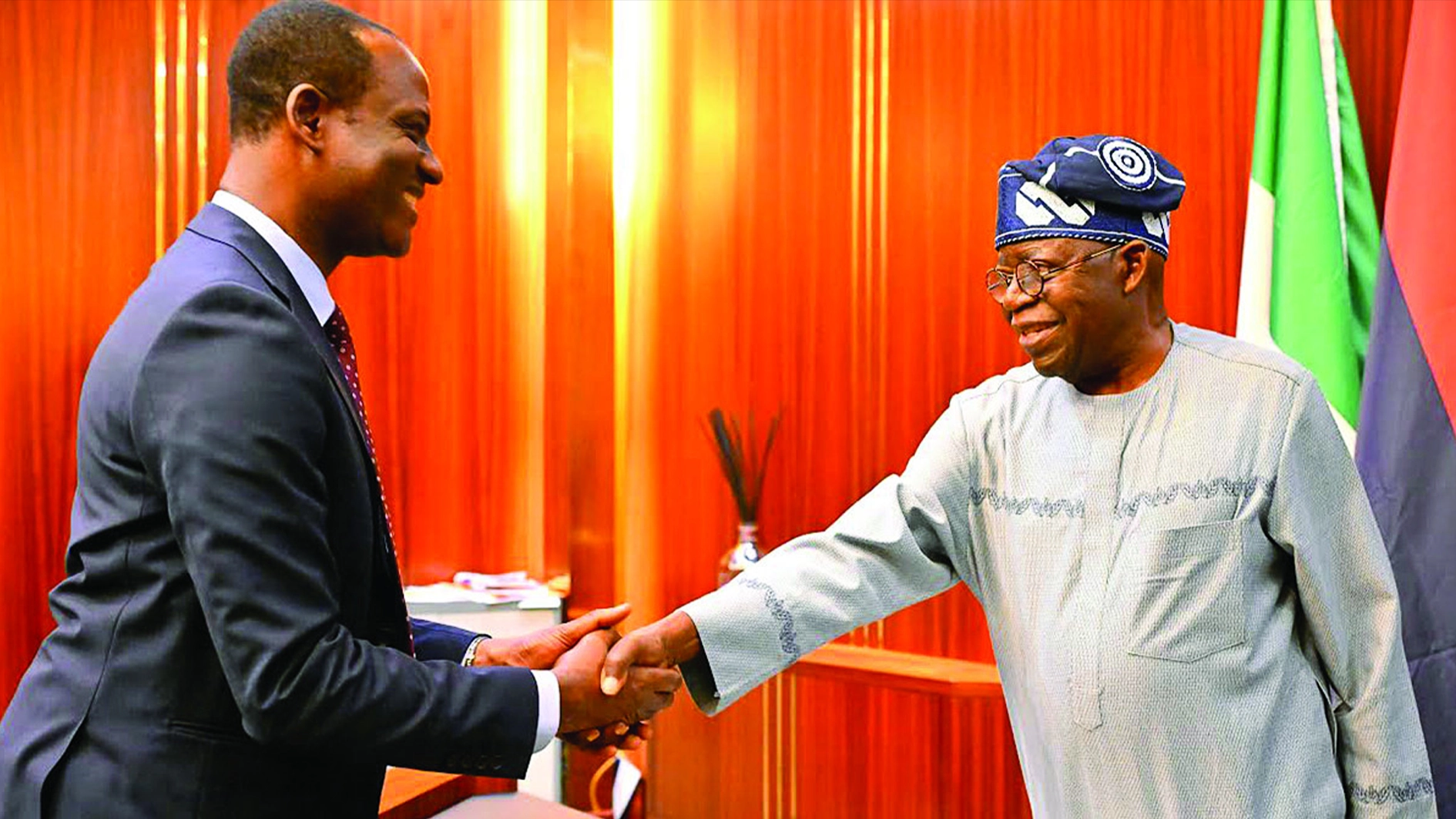
Taiwo Oyedele has been sworn in as Minister of State for Finance, committing to revenue mobilisation and fiscal sustainability. Meanwhile, Abubakar Bagudu reaffirms Nigeria's $1 trillion economy goal.

Minister Doris Uzoka-Anite emphasizes that 95% of Nigeria's economic growth must be driven by the private sector, with the government contributing 5%, to achieve a $1 trillion economy by 2030.
Nigerian banks, fintech firms, and creative businesses are expanding operations in the UK, creating hundreds of jobs and investing millions. This surge coincides with President Tinubu's state visit, highlighting strengthened economic ties under the UK-Nig
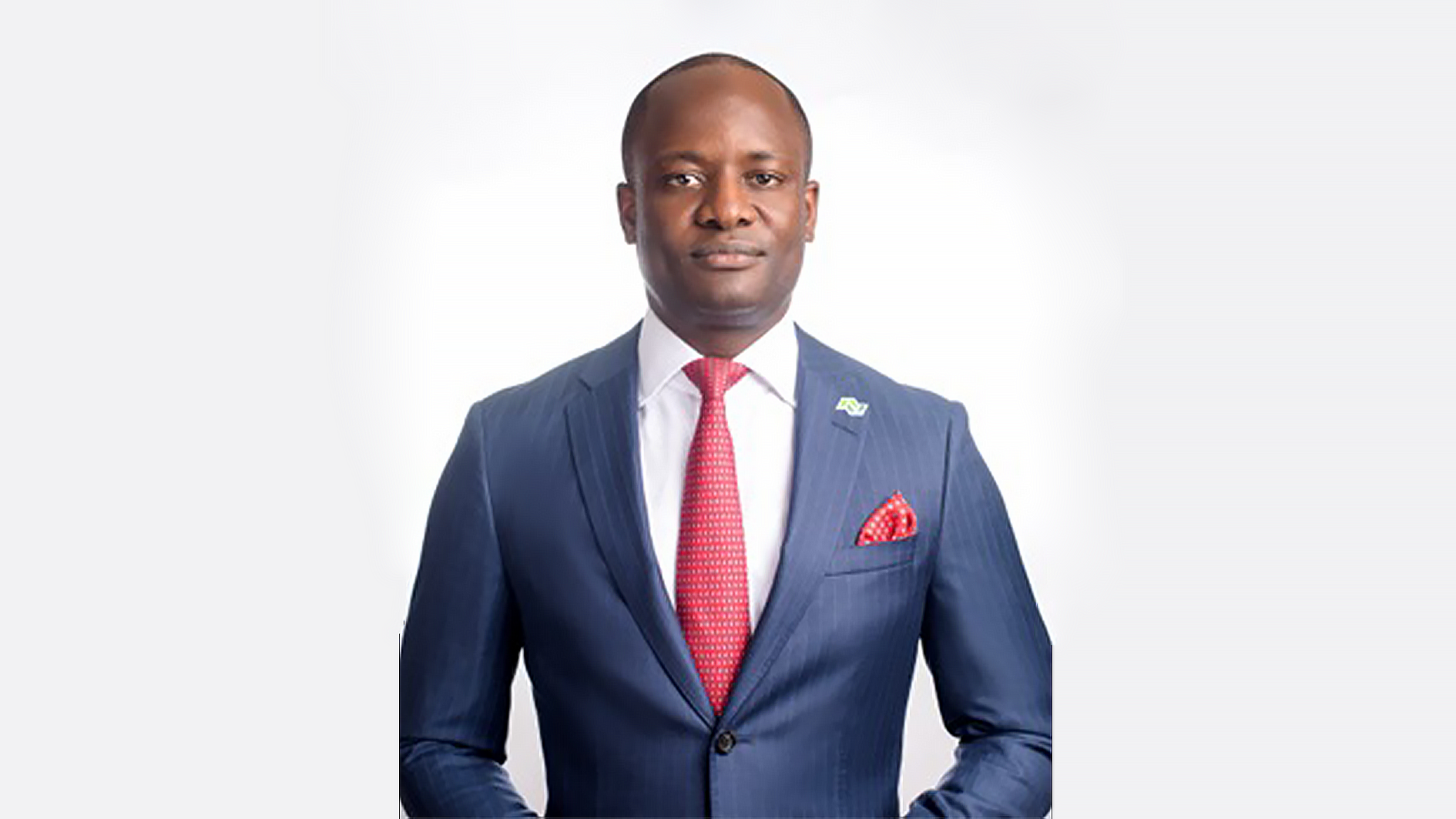
Temi Popoola, CEO of NGX Group, states Nigeria's capital market is undergoing a re-rating as global investors reassess its economic trajectory, driven by strong returns and policy clarity.

Nigerian businesses expanding into the UK are set to create hundreds of jobs and invest millions in financial services, fintech, and creative industries, boosting bilateral ties during President Tinubu's state visit.

Dangote Industries has signed a landmark $4.2 billion natural gas supply agreement with China's GCL Group to power Ethiopia's largest fertiliser production facility, marking a major industrial partnership between Africa and China.
)
Sri Lanka introduces a weekly Wednesday public holiday to reduce fuel consumption and manage economic challenges, with essential services continuing to operate normally.

Discover how European nations like Italy, Switzerland, and Greece are offering cash grants, housing subsidies, and startup funding to attract remote workers and reverse population decline in rural areas.

The NBS reports Nigeria's food inflation eased to 12.12% year-on-year in February 2026, but Kogi, Adamawa, and Benue recorded the highest increases. Discover the full list of states with rising food costs.
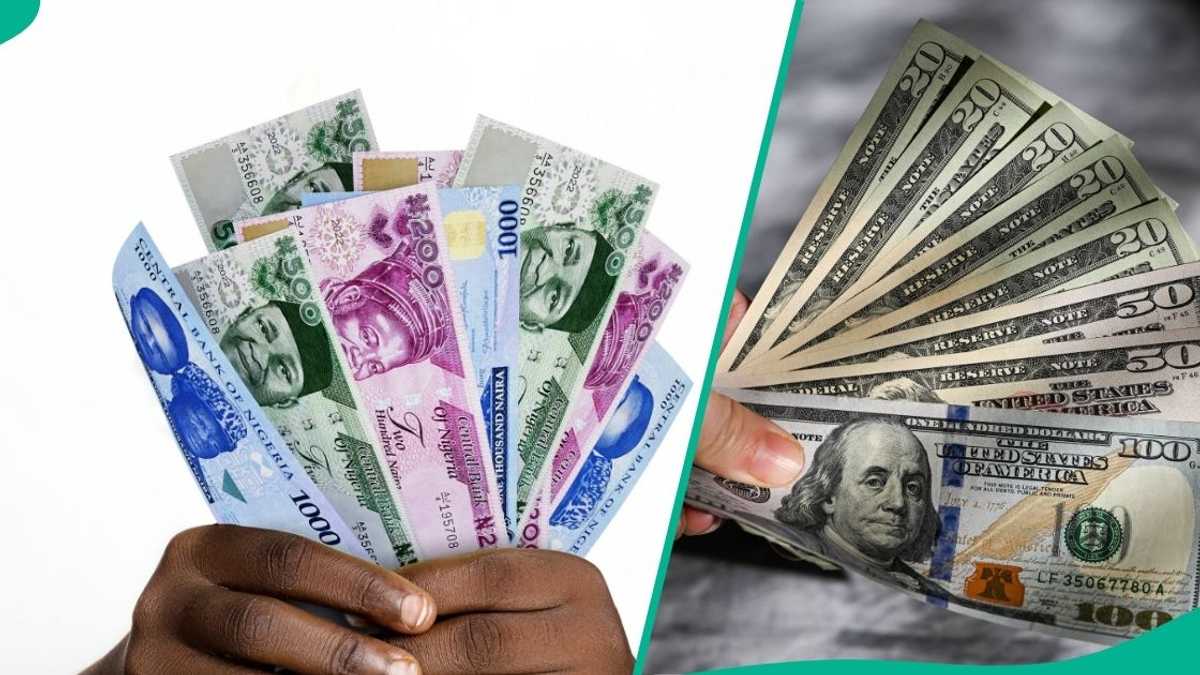
Nigeria's currency appreciated significantly in both official and parallel foreign exchange markets, driven by Central Bank interventions and improved dollar liquidity. The naira closed at ₦1,357.77 per dollar officially while parallel market rates improv

The Centre for the Promotion of Private Enterprise warns that high global energy prices, driven by Middle East tensions, are crippling Nigerian SMEs. CPPE outlines urgent measures for businesses and government to enhance efficiency and adopt renewables.
Nigeria's food inflation increased to 12.12% in February 2026, reversing January's relief. Dealers are adjusting prices for rice, beans, garri, and other staples amid regional disparities, with Kogi recording the highest rate at 26.91%.
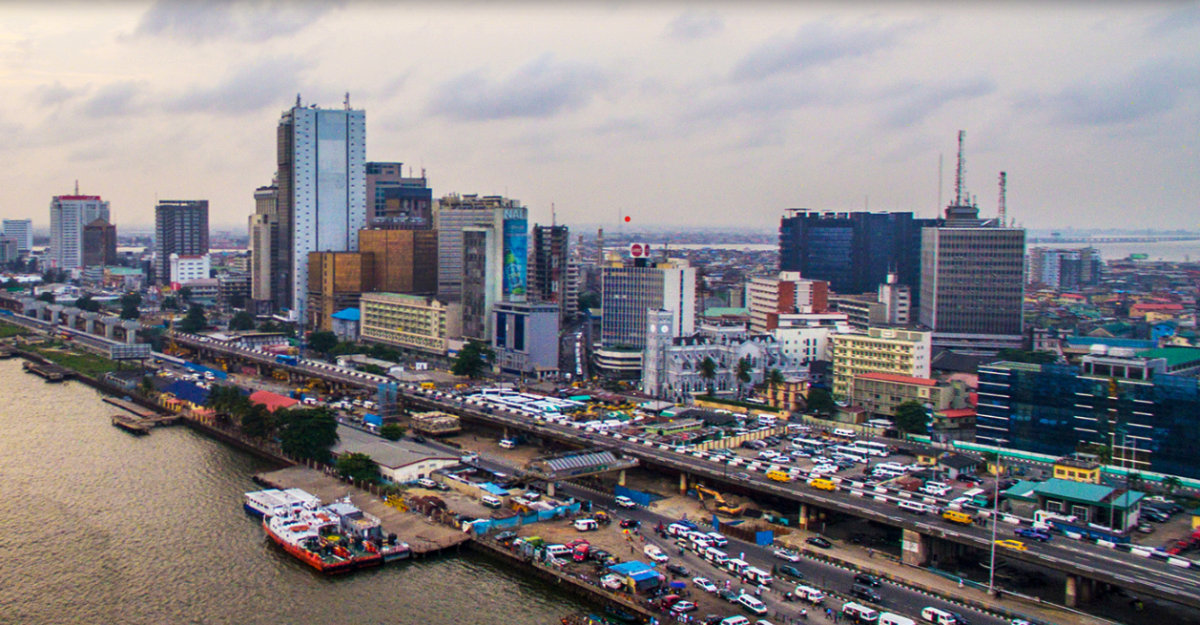
Nigeria's headline inflation rate eased marginally to 15.06 percent in February 2026, showing a slight decline from January's 15.10 percent. The National Bureau of Statistics reported significant yearly drops but noted monthly price increases, with food c
Nigeria's inflation rate decreased to 15.06% in February 2026, with Katsina, Imo, and Ebonyi recording the lowest rates while Kogi had the highest, according to the National Bureau of Statistics.
)
Discover five African countries whose currencies outperform Nigeria's Naira, including Tunisia, Libya, Botswana, Morocco, and Seychelles, and learn the economic factors behind their strength.

President Bola Tinubu has directed the Renewed Hope Ambassadors to distribute rice nationwide to support citizens observing Ramadan and Lent, promoting unity during fasting seasons.