
Africa's Mounting Debt Burden Reaches Crisis Point
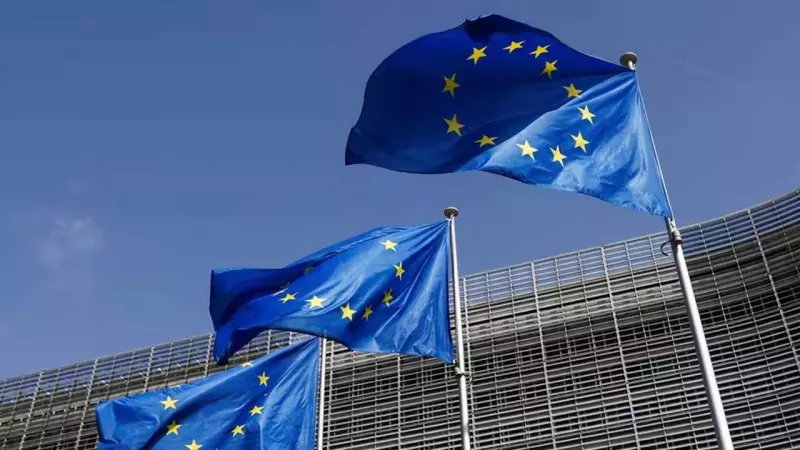
African and European leaders gathered in Luanda, Angola on November 24-25 for a crucial European Union-African Union summit. This meeting marked 25 years of partnership between the two continents and came at a critical juncture for Africa's economic future.
Many African nations now face unsustainable sovereign debt levels that prevent vital investments in infrastructure and sustainable development. Since 2008, public external debt has more than tripled, with sharp increases in obligations to private bondholders.
The Vicious Cycle of Debt and Climate Vulnerability
The situation has worsened significantly due to rising borrowing costs and African currency depreciation against the US dollar. African borrowers currently pay interest rates 2-3 times higher than wealthier nations, transforming potential lifelines into financial shackles.
In 2024 alone, African countries paid $163 billion merely to service existing debts. These crushing payments drain public resources and trap economies in a destructive cycle combining debt, climate pressures, and stalled development.
Of the 39 African countries assessed under the IMF's Debt Sustainability Analysis for low-income economies, 21 are in or at high risk of debt distress. However, this alarming figure still underestimates the true scale of the problem, as the IMF framework systematically downplays vulnerabilities in climate-vulnerable nations.
Climate Injustice Compounds Financial Pressures
Despite contributing less than 4% of global greenhouse-gas emissions, Africa suffers disproportionately from climate consequences including destructive droughts, displacing floods, and devastating storms.
Evidence clearly shows that the more climate-vulnerable a country becomes, the higher its borrowing costs rise. This "climate risk premium" increases capital costs for African governments, reducing fiscal space and crowding out essential investments in health, education, and infrastructure.
The international response has further eroded trust, with Europe's credibility suffering due to unfulfilled climate commitments, shrinking development aid, and perceived double standards in crisis response.
Path Forward Requires Comprehensive Debt Reform
African countries have articulated a Common African Position on Debt, representing a milestone in continental economic diplomacy. Europe should engage on this basis to translate vision into tangible progress.
The G20's Common Framework for Debt Treatments has failed to deliver meaningful relief, lacking binding rules for fair burden-sharing among all creditors and ignoring structural causes of debt accumulation.
With South Africa's G20 presidency placing debt sustainability at the center of its agenda, a narrow window for action exists that must not be wasted. Africa needs a new global debt-relief initiative that is ambitious, equitable, and tailored to continental realities.
Genuine debt relief would restore economic stability, free fiscal space for essential services, and create new trade and growth opportunities. The benefits would extend far beyond Africa, reducing poverty, strengthening health systems, and mitigating security threats.
When Africa finally breaks free from debt burdens, Europe—and the entire world—will rise alongside it.




