
Massive Investment Inflow for Nigeria's Power Sector
The Nigerian Federal Government has announced a significant breakthrough in the energy sector, securing more than $2 billion in new investments as direct results of ongoing power sector reforms. This development marks a major milestone in the country's efforts to address its longstanding electricity challenges.
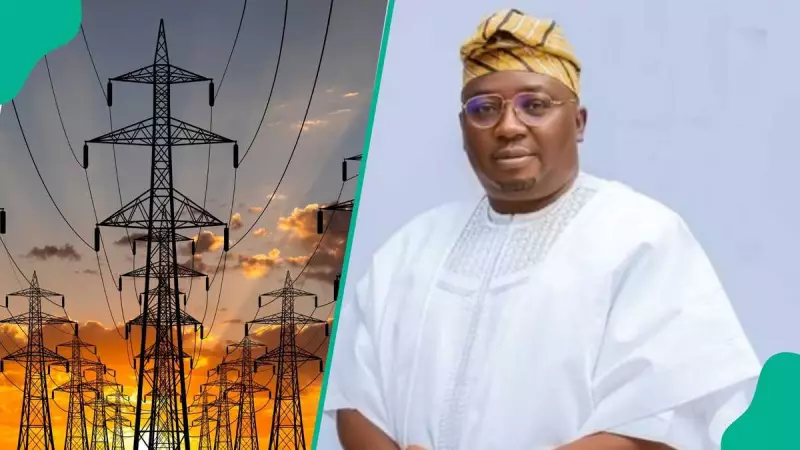
Power Minister Adebayo Adelabu made the revelation during the prestigious PwC Annual Power and Utilities Roundtable 2025 held in Lagos. The event, which gathered key industry stakeholders, focused on the theme "Nigeria's Multi-Tier Electricity Market: Imperatives for Successful Evolution."
Electricity Act 2023: Game Changer for Energy Sector
According to Minister Adelabu, the Electricity Act 2023 has been instrumental in creating an attractive environment for investors. The legislation has paved the way for a fundamental shift from Nigeria's traditional centralized electricity system to a more decentralized and liberalized power market.
The new multi-tier market structure empowers states to develop and regulate their own electricity frameworks, providing investors with clearer regulations, enhanced competition, and greater transparency. This decentralized approach has become a major draw for both domestic and international investors seeking opportunities in Nigeria's energy landscape.
However, the minister sounded a note of caution, acknowledging that the decentralization process carries certain risks that require careful management. He identified several challenges including potential market fragmentation, operational costs for new regulatory bodies, uneven development across states, liquidity concerns, tariff adjustments, political interference, and possible grid instability if embedded generation isn't properly coordinated.
Industry Experts Back Reform Direction
Sam Abu, PwC's Regional Senior Partner for the West Market Area, expressed strong support for the reform initiatives. He emphasized that the roundtable discussions presented a crucial opportunity to influence power access for Nigeria's population of over 200 million people.
Abu explained that Nigeria's transition from a single centralized market to a multi-player system holds the potential to significantly boost competition, improve service quality, and drive innovation across the sector. He stressed that successful implementation requires robust regulations, coordinated efforts between government and industry players, and sustained investment.
The PwC executive highlighted that properly executed reforms could lead to more competitive markets, improved financial sustainability, state-driven energy solutions, and enhanced energy security for both households and businesses. He identified regulatory alignment, liquidity management, modern infrastructure development, and strong state electricity markets as critical priorities for Nigeria's energy sector.
The event saw participation from various industry stakeholders including representatives from the Lagos State Ministry of Energy and Mineral Resources, Eko DisCo, the Rural Electrification Agency, and Afreximbank, demonstrating broad sector support for the reform agenda.
Uninterrupted Power Supply Promise
In related developments, Minister Adelabu has assured Nigerians that they will experience uninterrupted power supply before the conclusion of President Bola Tinubu's tenure in 2027. This commitment comes as the current administration's efforts appear to be yielding positive results, with Nigeria reportedly achieving its highest power generation and transmission levels in history.
The minister delivered this assurance during the inauguration of new training facilities at the National Power Training Institute of Nigeria, underscoring the government's commitment to building both infrastructure and human capacity in the power sector.




