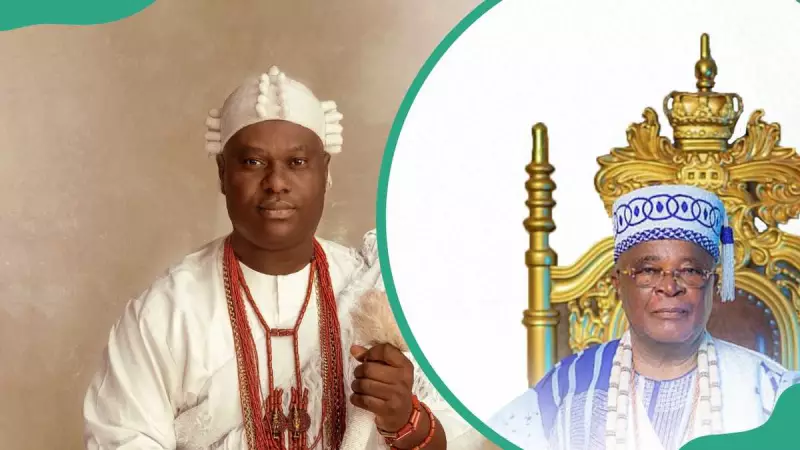
In an era of rapid modernization, Nigeria continues to honor its rich cultural heritage through traditional rulers who maintain centuries-old customs and governance structures. These monarchs serve as living connections to the nation's diverse ethnic histories while adapting to contemporary society.
Prominent Nigerian Monarchs and Their Kingdoms
Oba Adeyeye Enitan Ogunwusi, born on October 17, 1974, reigns as the 51st Ooni of Ife, having ascended to the throne on October 26, 2015. As the traditional ruler of the Yoruba kingdom of Ile-Ife, he has gained recognition for his humanitarian efforts through initiatives like the House of Oduduwa Foundation and Hopes Alive Initiative.
Adedotun Aremu Gbadebo III, born September 14, 1943, has served as the Alake of the Egba clan in Abeokuta since August 2, 2005. As a member of the Laarun Ruling House, he continues the legacy of his grandfather, Oba Gbadebo, who ruled from 1898 to 1920.
The late Oba Sikiru Kayode Adetona, born May 10, 1934, served as Awujale of the Ijebu Kingdom from April 2, 1960, until his passing on July 13, 2025. His remarkable 65-year reign made him one of Nigeria's longest-serving traditional rulers before his successor was announced.
Contemporary Traditional Leadership
Oba Aladetoyinbo Ogunlade Aladelusi, known as Odundun II, serves as the 47th Deji of Akure Kingdom since July 17, 2015. Born December 28, 1956, this architect and founder member of the Nigerian Architects Registration Council has actively engaged youth in governance through lectures at institutions like Obafemi Awolowo University.
Oba Adesimbo Victor Kiladejo, born in 1970, reigns as the 44th Osemawe of Ondo Kingdom since December 29, 2008. The medical doctor trained at Obafemi Awolowo University represents the modern educated class maintaining traditional leadership roles.
Diverse Traditional Titles Across Nigeria
Nigeria's traditional leadership system reflects its ethnic diversity with various titles indicating regional and cultural distinctions. The Hausa-Fulani communities recognize rulers as Emirs, Sultans, Lamidos, or Sarki, while Yoruba and Edo peoples use the title Oba.
In the Niger Delta region, the Isoko and Urhobo people use Ovie, while other communities employ titles like Odion-Ologbo, Odio r'Ode, Ohworode, Orodje, and Orosuen. Igbo communities in southeastern Nigeria utilize Eze, Igwe, and Obi, while Efik and Ibibio leaders are called Adidem or Edidem.
Enduring Cultural Significance
Despite Nigeria's federal government structure, traditional rulers maintain significant influence in their communities. They serve as custodians of cultural heritage, mediate local disputes, foster national identity, and act as intermediaries between government and citizens.
The Yoruba chieftaincy system exemplifies this structured approach with four distinct ranks: royal chiefs, noble chiefs, religious chiefs, and common chiefs. The system's hierarchy places Obas at the apex as fons honorum, overseeing royal affairs and maintaining cultural continuity.
With over 300 ethnic groups and thousands of traditional rulers across Nigeria, these institutions continue to provide cultural stability while adapting to modern governance structures. Their enduring presence demonstrates Nigeria's successful blending of tradition with contemporary political systems.