Nigeria's HIV Response Shows Remarkable Progress
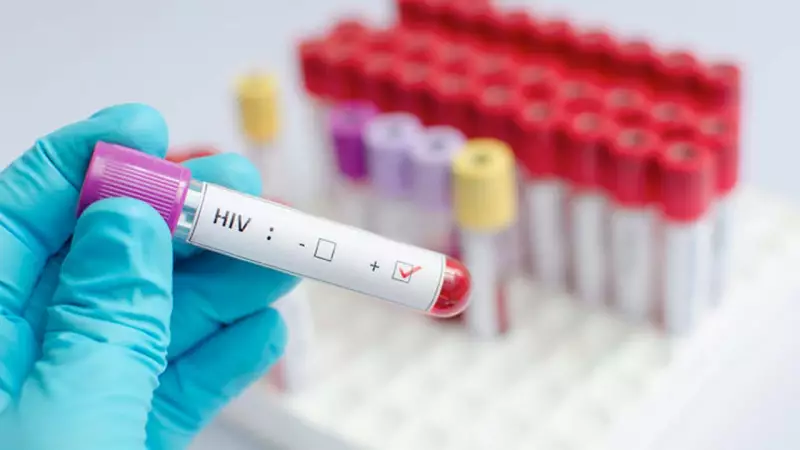
The National Agency for the Control of AIDS (NACA) has announced a significant milestone in Nigeria's fight against HIV/AIDS. According to Dr. Temitope Ilori, Director General of NACA, 95% of Nigerians receiving HIV treatment have achieved viral suppression, meaning they can no longer transmit the virus to others.
This breakthrough was revealed during a press conference ahead of the 2025 World AIDS Day, themed "Overcoming Disruption: Sustaining Nigeria's HIV Response." The announcement highlights Nigeria's substantial progress toward ending AIDS as a public health threat by 2030.
Impressive Treatment Statistics
Dr. Ilori presented comprehensive data showing that 87% of people living with HIV in Nigeria now know their status. Among those aware of their HIV-positive status, 98% are receiving life-saving antiretroviral treatment. The most encouraging statistic reveals that 95% of those on treatment have achieved viral suppression, effectively breaking the chain of transmission.
Nigeria has maintained an impressive 87-98-95 performance toward the global 95-95-95 targets, demonstrating significant nationwide progress in diagnosis, treatment coverage, and viral suppression. The country has recorded a 46% decline in new HIV infections, with more Nigerians living with HIV enrolled and retained in care than ever before in the last decade.
Challenges and Government Response
Despite these achievements, significant challenges remain. Nigeria continues to contribute a disproportionate share of global paediatric HIV infections, highlighting the urgent need to accelerate progress in Prevention of Mother-to-Child Transmission (PMTCT). Hard-to-reach and insecure areas remain underserved, while economic pressures affect service continuity and supply chains.
Dr. Ilori acknowledged that Nigeria, like other nations, has faced unprecedented disruptions including the global pandemic, economic uncertainty, fluctuating donor support, and shifts in global health financing. However, she emphasized that Nigeria's HIV response has adapted, innovated and endured through these challenges.
When global funding uncertainties threatened essential services, the Federal Government injected $200 million to ensure uninterrupted delivery of HIV prevention, testing, and treatment services, along with services for other infectious diseases.
Sustaining Progress Through Local Solutions
Nigeria is advancing local production of antiretrovirals and other HIV commodities to strengthen national self-reliance and reduce import dependence. Domestic resource mobilization efforts are deepening, with several states increasing budget allocations and strengthening HIV Trust Funds.
The country has made measurable progress in integrating HIV services into broader health systems across all 36 states and the Federal Capital Territory. With the establishment of the ATM-TWG and increased enrollment of people living with HIV into state health insurance schemes, Nigeria is improving efficiency and long-term program sustainability.
Community collaboration has been crucial to this success. "Our collaboration with civil society and community-led organisations has further strengthened community systems," Dr. Ilori stated. "In 2024 alone, 204,201 individuals from key populations were actively receiving antiretroviral therapy, with strong viral suppression rates among those retained in care."
Future Focus and International Support
Looking ahead to 2026 and beyond, NACA's focus will be on scaling up domestic financing through deeper collaboration with states, the private sector, and philanthropic organizations. Prevention efforts for key and vulnerable populations will be expanded, including wider access to PrEP and differentiated service delivery models.
Gabriel Undelikwo, Community Support Adviser for UNAIDS in Nigeria, commended the country's leadership while emphasizing the need for transformative approaches. "Achieving the SDG target of ending AIDS by 2030 requires transformative approaches that mitigate risk, sustain services and accelerate impact," he stated.
Mr. Abdulkadir Ibrahim, President of the Network of People Living with HIV/AIDS in Nigeria (NEPWHAN), praised President Tinubu for approving N200 billion in the 2025 appropriation to tackle HIV, TB, and Malaria, calling it "the first step of overcoming disruption."
Despite the progress, Dr. Ilori highlighted that stigma and discrimination continue to limit access to services for many Nigerians, while heavy reliance on external funding threatens long-term sustainability. Nigeria remains committed to tackling these challenges while working toward creating safe and inclusive environments for all affected by HIV.