
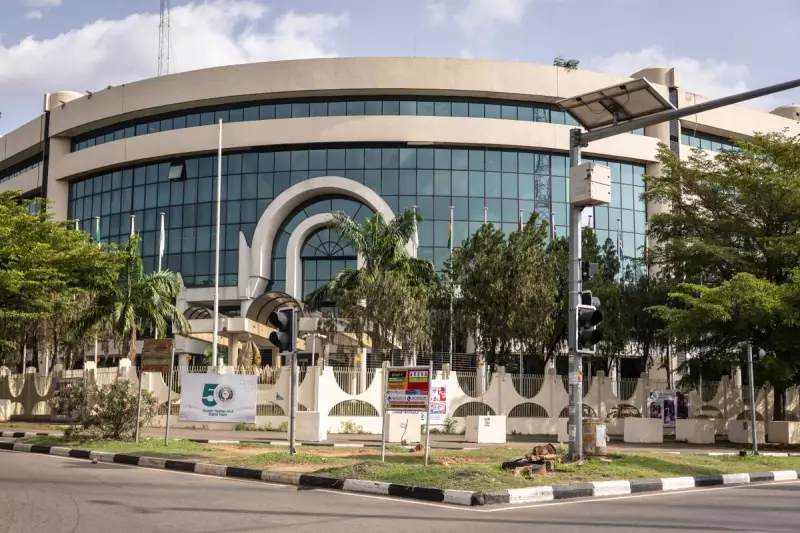
As the Economic Community of West African States (ECOWAS) celebrates its 50th anniversary this year, the occasion demands more than ceremonial festivities. This golden jubilee presents a crucial moment for honest assessment of the regional bloc's original mission and the severe threats currently endangering its foundational principles of economic integration, peace, and shared prosperity.
Five Decades of Regional Ambition
Founded on May 28, 1975, ECOWAS emerged as a bold initiative to connect West African nations across divisions of economic fragmentation and post-colonial dependency. Fifteen countries—Nigeria, Benin Republic, Burkina Faso, Côte d'Ivoire, The Gambia, Ghana, Guinea, Guinea-Bissau, Liberia, Mali, Mauritania, Niger, Senegal, Sierra Leone, and Togo—united to chart a new course for the region. Their collective aspiration was to overcome colonialism's damaging legacy of poverty and political instability.
Over five decades, ECOWAS has grown into one of Africa's most significant regional organizations, achieving notable successes in peacekeeping and regional integration. Much credit for this vision belongs to pioneering leaders like Nigeria's former Head of State, General Yakubu Gowon, who championed West African unity during periods of profound political and economic uncertainty.
Significant Achievements and Growing Challenges
ECOWAS has delivered substantial benefits to West Africans through initiatives like visa-free travel for up to 90 days within member states, the introduction of a biometric ID system to improve mobility, and the establishment of the ECOWAS Trade Liberalization Scheme (ETLS) in 1979 to boost intra-regional trade.
The bloc also created the ECOWAS Bank for Investment and Development, financing crucial infrastructure projects across West Africa. Institutions like the ECOWAS Court of Justice, ECOWAS Parliament, and West African Health Organization demonstrate the community's commitment to governance, rule of law, and public health.
Perhaps most notably, ECOMOG, ECOWAS's peacekeeping force, has repeatedly intervened to restore peace and democracy in conflict-ridden nations including Liberia, Sierra Leone, and The Gambia. These courageous actions earned ECOWAS international recognition as a model for regional security cooperation in Africa.
Current Crisis and Future Directions
Despite these accomplishments, ECOWAS now confronts its most severe test in decades. The recent surge of military coups in Mali, Burkina Faso, Guinea, and Niger—followed by the withdrawal of three Sahel nations from the bloc—has created fundamental fractures within the organization. These exits, accompanied by accusations of "inhumane" sanctions and double standards, have strengthened anti-ECOWAS sentiments and prompted new geopolitical alignments with foreign powers like Russia and France.
This fragmentation poses grave risks to regional stability and undermines decades of integration efforts. Meanwhile, terrorism and violent extremism continue to devastate parts of the sub-region, with the Sahel now identified as the global epicenter of terrorism according to the 2024 Global Terrorism Index.
Economic integration remains uneven despite ECOWAS's ambitions. The promised single currency, the "Eco," has faced repeated delays due to political hesitancy and macroeconomic differences. Intra-regional trade languishes below 15%, far behind other regional blocs, while harassment of travelers and border closures persist despite free movement protocols.
Many ordinary West Africans now perceive ECOWAS as an elite institution disconnected from their daily struggles. For the bloc to regain relevance, it must reinvent itself as a catalyst for inclusive development that effectively harnesses West Africa's youth potential—turning demographic challenges into opportunities for agricultural innovation, industrialization, and technological advancement.
As ECOWAS marks this milestone anniversary, the urgent task is to reclaim its original purpose: building a people-centered community rooted in good governance, shared prosperity, and sustainable peace. The vision that inspired its creation fifty years ago has never been more necessary—or more endangered.




