Former presidential aide Reno Omokri has expressed strong opinions about the approach taken by Nnamdi Kanu, the leader of the proscribed Indigenous People of Biafra (IPOB), suggesting an alternative path that could have brought meaningful change to Nigeria's Southeast region.
Missed Political Opportunity
In a recent Instagram post that has sparked significant discussion, Omokri argued that Nnamdi Kanu possessed substantial popularity that could have been channeled into mainstream political processes rather than the secessionist movement that led to his ongoing legal battles.
The social commentator specifically mentioned that Kanu could have established a political party capable of electing governors and senators across the five states of the Southeast region. This political approach, according to Omokri, would have provided a legitimate platform to push for the changes Kanu desired for his people.

Non-Violent Pathway Suggested
Omokri emphasized the potential of non-violent political engagement, noting that elected officials from such a party could have legally advocated for a plebiscite or other constitutional means to address the region's concerns. This approach contrasts sharply with the current situation where IPOB remains a proscribed organization and Kanu faces multiple legal challenges.
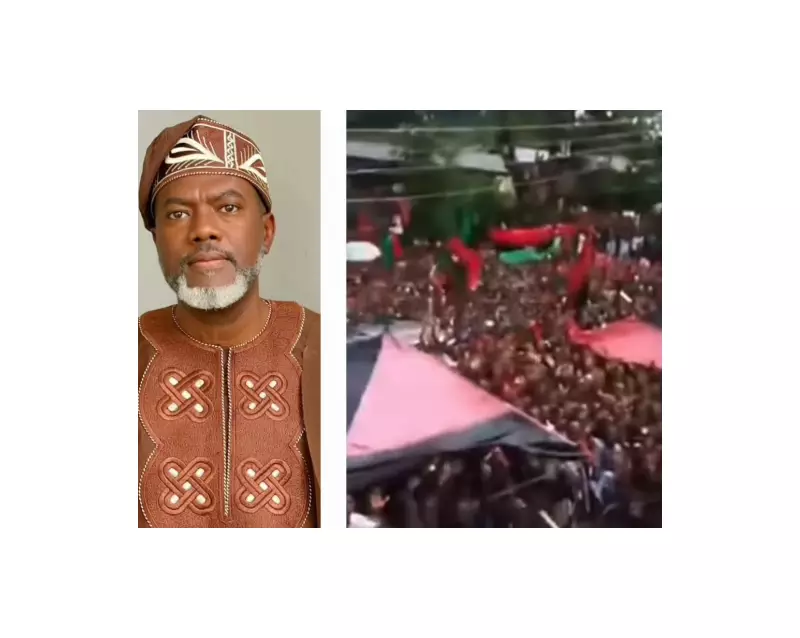
The post included a video showing Kanu's supporters gathered outside his home in Abia State, demonstrating the significant grassroots support that the IPOB leader commands in the region. Omokri used this visual evidence to reinforce his argument about the untapped political potential that Kanu's movement represented.
Broader Implications for Southeast Politics
This commentary comes at a time when political dynamics in Southeast Nigeria continue to evolve. Omokri's statements highlight the ongoing debate about the most effective methods for achieving regional development and self-determination within Nigeria's constitutional framework.
The original post was shared through Linda Ikeji's blog on November 25, 2025, and has generated substantial engagement across social media platforms, with many Nigerians weighing in on the alternative political scenario presented by Omokri.
This perspective raises important questions about how popular movements can transition into formal political structures to achieve their objectives through democratic processes rather than confrontation with state authorities.