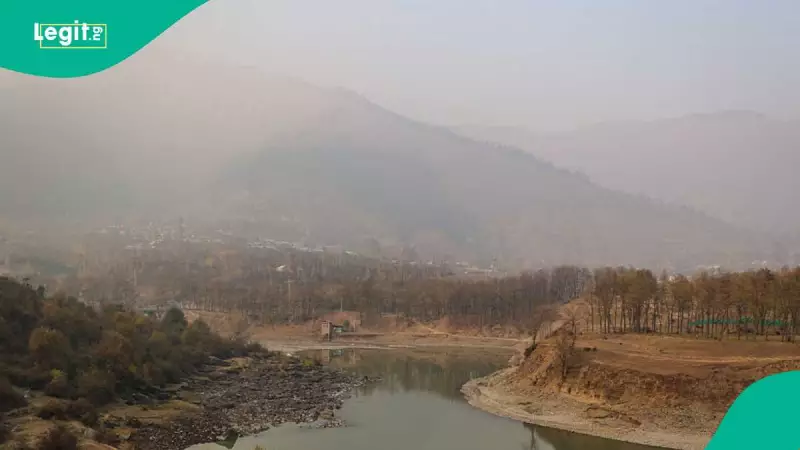
Young climate activists from across the globe are raising their voices in frustration as the world confronts unprecedented warming levels, with 2024 officially recorded as one of the hottest years in history. The World Meteorological Organization confirmed that global warming has already surpassed the critical 1.5°C threshold, marking a pivotal moment in the climate crisis.
Youth Frustration Grows Amid Climate Anxiety
As COP30 continues in Belém, Brazil, young leaders are demanding that world leaders take immediate and inclusive action to address the escalating climate emergency. The summit occurs at what many describe as a decisive time requiring responsible leadership, diverse representation, and concrete measures.
A shocking revelation from Greenpeace UK shows that 78% of children under 12 are already experiencing climate anxiety. Campaigners note that for many young people, this anxiety mixes with growing frustration that global leaders continue to exclude their voices from critical discussions and fail to implement effective solutions during international forums like COP.
Making Climate Summits More Accessible
Recent observations highlight that younger generations will face the most severe consequences of climate inaction, yet many find the COP process distant, overly complex, and discouraging. Attendance figures reveal a concerning trend: only 75 world leaders attended the heads of state summit at COP29 in 2024, and this number dropped further to just 60 confirmed leaders this year.
At a recent One Young World event hosted at Natura's head office in London, young climate activists from the Ambassador Community shared their expectations for COP30. Participants unanimously called for the conference to become more accessible, inclusive, and action-oriented.
Their collective message was clear: "COP must become more accessible, inclusive and action-focused if it is to tackle the climate crisis effectively and engage the next generation of leaders."
Global South Voices Excluded
Activists and nations from the Global South have increasingly criticized COP for lacking diverse perspectives. Papua New Guinea made a significant statement by refusing to participate in COP29, citing "empty promises and inaction" from previous summits. One Young World Ambassadors expressed feeling that their presence was unwelcome and their opinions uninvited in prior discussions.
Young people continue to question whether COP goals have realistic pathways to success. This year, the deadline for submitting emission-reduction plans was extended after nearly 95% of countries failed to meet it, demonstrating what campaigners describe as widespread apathy toward the Paris Agreement commitments.
Analysts warn that this lack of momentum weakens the impact of strategies agreed upon at COP. They emphasize that collaboration with the global community and creating tangible opportunities for youth involvement are essential for achieving meaningful climate goals.
Education as a Tool for Climate Action
One Young World Ambassadors highlighted education as a crucial instrument for engaging young people in climate action. Juhie Radia, a member of the Kew Gardens Youth Council in the UK, introduced innovative interactive QR codes at Kew Gardens to help visitors explore biodiversity concepts. She demonstrated how complex environmental topics could be made accessible and engaging through creative approaches.
In Mongolia, Ambassador Gereltuya Bayanmunkh showed how education can inspire transformation despite challenging circumstances. Although Mongolia contributes only 0.05% of global greenhouse gas emissions, the country suffers severe climate change impacts. Gereltuya's initiative focuses on empowering young people to become climate activists and leaders in their communities.
The ambassadors emphasized that climate change extends beyond environmental concerns, driving humanitarian crises, conflicts, and gender inequality. They argued that communities most affected by climate inaction, particularly in the Global South, must be integral to developing solutions.
Inclusive action means involving people from all backgrounds, especially those from frontline communities who produce the lowest emissions yet suffer the greatest impacts. Their perspectives must not only be heard by decision-makers but actively contribute to shaping the planet's future.
As COP30 progresses, nations including France, Spain, and Kenya are spearheading a drive for a new tax on luxury air travel, recognizing that a small elite of premium flyers should pay more for their substantial contribution to global warming. This proposal sets the stage for potential confrontation with the powerful aviation industry.