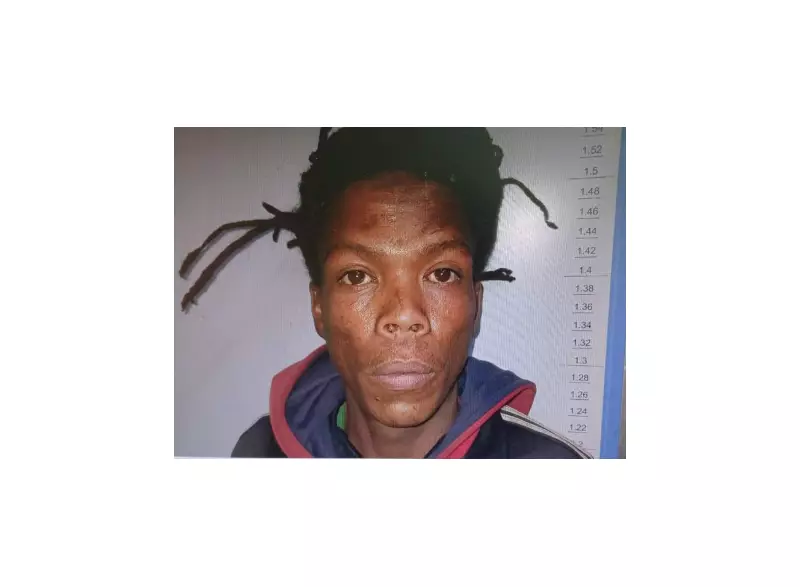
Justice After 12 Years: DNA Breakthrough Solves Cold Case
In a remarkable demonstration of forensic science's power, the Oudtshoorn Regional Court in Western Cape, South Africa has delivered long-awaited justice by sentencing Shaun Romano Keyser to 20 years direct imprisonment for the rape and murder of 55-year-old Anna Abrahams that occurred 12 years ago.
The National Prosecuting Authority confirmed on Wednesday, November 12, 2025 that DNA evidence finally connected Keyser to the brutal crimes that had remained unsolved for over a decade. The breakthrough came when Keyser was arrested for an unrelated theft case in 2024, and his DNA sample matched evidence collected from the victim's body back in 2012.
The Crime and Initial Investigation
The tragic case began on February 11, 2012, when Anna Abrahams' body was discovered behind Flippie Daler's house in Prince Albert. Daler, who sold alcohol in the area, reported the grim finding to authorities. Initial post-mortem results indicated the victim had been raped, with the cause of death listed as alcohol intoxication with a blood alcohol content of 0.31 grams per 100 ml.
Despite collecting DNA evidence from the crime scene, police made no arrests at the time, and the case grew cold. For 12 years, the Abrahams family lived without answers, unaware that the perpetrator had been walking freely in their community.
"For 12 years, he walked around the streets of Prince Albert and past the deceased's house with her family, not knowing that her murderer was someone known to them who was homeless," the NPA statement revealed.
The DNA Breakthrough and Legal Battle
The case took a dramatic turn on June 19, 2024, when police arrested Keyser for theft and collected his DNA as standard procedure. When laboratory results returned, they showed a perfect match with the DNA evidence from the 2012 crime scene, immediately reopening the cold case.
Keyser initially claimed he was only 16 years old at the time of the crime and alleged that two older accomplices had threatened him into having sex with the intoxicated woman. He maintained that he didn't kill Abrahams, only complying with the sexual act under duress.
However, regional court prosecutor Hyron Goulding wasn't satisfied with the original medical findings. He sought a second opinion from Dr. Hurst, who provided crucial new evidence that would strengthen the prosecution's case significantly.
Medical Evidence Proves Murder
Dr. Hurst's examination revealed two critical facts that changed the course of the case. First, she confirmed that with a blood alcohol level of 0.31 g per 100ml, Abrahams would have been heavily intoxicated, mentally confused, and unable to give legal consent for any sexual activity.
More importantly, Dr. Hurst discovered petechial haemorrhage on the victim's heart and lungs, indicating death by asphyxiation rather than alcohol poisoning. She concluded that while being assaulted, Abrahams would have been forced face downward, unable to breathe as her airways became obstructed.
"I therefore do believe that she was murdered, the perpetrator knowing that she was not in a state to give any resistance or defend herself," Dr. Hurst stated in her affidavit.
Police investigation further undermined Keyser's defense when they traced the two individuals he claimed had threatened him. DNA results excluded both men, as only Keyser's DNA was found on the victim's body.
Sentencing and Closure
During sentencing, the court noted that Keyser had numerous opportunities over 12 years to report the alleged threats and the "real culprits" to police but never did. His changing stories and inconsistent versions of events during cross-examination further damaged his credibility.
The Oudtshoorn Regional Court ultimately sentenced Keyser to 10 years' direct imprisonment for rape and 10 years' direct imprisonment for culpable homicide, totaling 20 years behind bars.
Western Cape Director of Public Prosecutions, Adv. Nicolette Bell, praised the investigation and prosecution teams for their persistent work. "The conviction and sentence are a testament to the hard work and never-give-up attitude of the investigation and prosecution team, who ensured justice for the elderly woman and her Prince Albert family," the NPA statement concluded.
This case stands as a powerful example of how advancing forensic technology can bring closure to families and justice to victims, even when years have passed since the crime was committed.