President Tinubu Directs Police Escorts Removal From VIPs
President Bola Ahmed Tinubu has issued a directive for the immediate withdrawal of all police officers serving as escorts and personal guards to Very Important Persons across Nigeria. This significant security decision was announced following a high-level security meeting held at the State House in Abuja on Sunday.
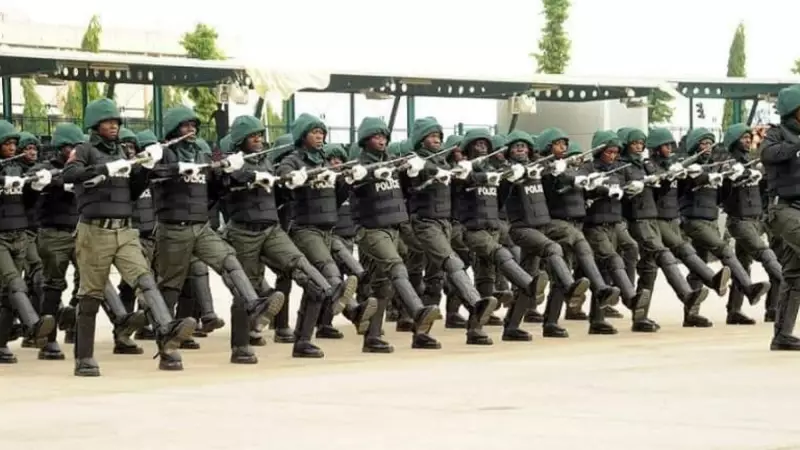
The presidential order mandates that all withdrawn police personnel must return to core policing duties, specifically in communities that currently lack adequate security presence. According to the Special Adviser to the President on Information and Strategy, Bayo Onanuga, who confirmed the directive, VIPs who still require protection services will now need to officially apply for personnel from the Nigeria Security and Civil Defence Corps instead of the police force.
Security Meeting Attendees and Rationale
The crucial security meeting included top security officials: Chief of Army Staff Lt Gen Waidi Shaibu, Chief of Air Staff Air Marshal Sunday Kelvin Aneke, Inspector-General of Police Kayode Egbetokun, and Director-General of the DSS Tosin Adeola Ajayi.
President Tinubu has repeatedly emphasized that many remote and underserved areas across Nigeria suffer from inadequate policing, while thousands of officers remain attached to politicians, business elites, and wealthy individuals. The presidency statement highlighted that numerous parts of Nigeria, particularly remote regions, have very few police officers stationed there, making the protection and defense of citizens increasingly difficult.
In light of the current security challenges facing the nation, President Tinubu is determined to boost police presence in all communities. The administration also announced plans to recruit 30,000 additional police officers and upgrade police training facilities through partnerships with state governments.
History of Failed Implementation
This marks not the first time such a withdrawal order has been announced, with implementation consistently proving to be the major challenge rather than policy formulation.
The timeline of previous withdrawal attempts includes:
- 2003: IGP Tafa Balogun's withdrawal order faced immediate backlash from judges and politicians, leading to partial reversal within a month
- 2009: IGP Ogbonnaya Onovo's directive threatened dismissal but was quickly walked back for high-profile individuals
- 2010: IGP Hafiz Ringim established a monitoring unit but the directive collapsed soon after
- 2012: Acting IGP Mohammed Abubakar cancelled all private guards in an effort to restore professionalism
- 2016: IGP Solomon Arase lamented Nigeria being grossly under-policed and ordered immediate withdrawals
- 2018: IGP Ibrahim Idris issued sweeping directives for immediate effect that failed to materialize
- 2020: IGP Mohammed Adamu's order came with significant exemptions for government officials
- 2023: Acting IGP Kayode Egbetokun announced PMF personnel would no longer perform VIP duties
- April 2025: Egbetokun revisited the issue, emphasizing the harmful impact on tactical units
Public Expectations and Challenges
Despite numerous announcements over more than two decades, enforcement has consistently been weak, with many VIPs retaining police escorts through political influence or unofficial arrangements. The pattern reveals that while reducing VIP protection enjoys cross-administration support in theory, implementation faces persistent challenges due to entrenched power structures and the high value placed on security details by the elite.
Many Nigerians remain hopeful that this latest redeployment will translate into faster police response times and improved security presence in neighborhoods where lawlessness has grown. The success of this directive will depend heavily on the administration's willingness to withstand political pressure and ensure consistent implementation across all levels of society.
The move represents part of President Tinubu's broader policing reform agenda and aligns with his campaign promise to push community-based policing while reducing the misuse of security resources by wealthy individuals. Whether this attempt will break the cycle of announcement and reversal remains to be seen, but the security needs of ordinary Nigerians in underserved communities hang in the balance.