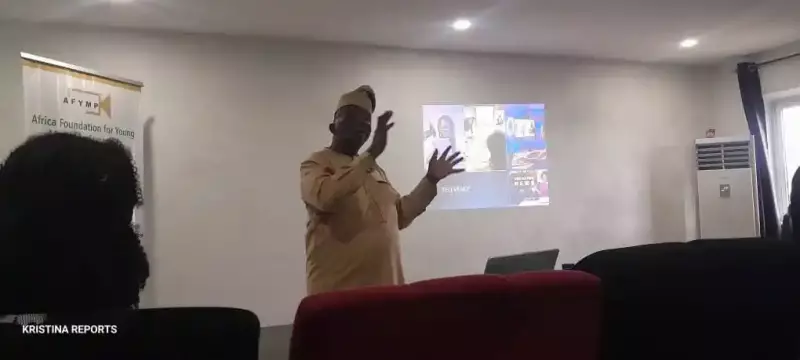
The Centre for Disability and Inclusion Africa (CDIA) has unveiled a comprehensive research document that explores how artificial intelligence can transform educational access for Nigerian learners with disabilities.
Bridging Educational Gaps Through Technology
Executive Director of CDIA, Mr. Yinka Olaito, emphasized that the study examines AI's potential to close learning disparities and create fair opportunities for all students. "Inclusive education guarantees that every student—regardless of ability, disability, or background—can learn and succeed in mainstream classrooms," Olaito stated.
The research aligns with Nigeria's National Policy on Inclusive Education, which was updated in 2023 and focuses on universal access, safe learning spaces, teacher development, and collaboration among stakeholders. Olaito highlighted that AI can improve accessibility through customized learning approaches, assistive devices, behavior and career counseling, and enhanced classroom administration.

Critical Stakeholder Participation Gap Identified
The survey uncovered a significant imbalance in stakeholder representation. Among respondents, 68% were individuals or learners with disabilities, 16% specialized educators, 12% parents and caregivers, while merely 2% were policymakers or AI developers. Olaito characterized this disparity as "a major weakness in driving inclusive innovation."
CDIA Programme Lead, Busola Oladotun, stressed the necessity of embracing technological advancements. "AI is already integrated into our lives, and its impact cannot be ignored. Harnessing its benefits will simplify development across all sectors," she affirmed.
Widespread Support from Government and Disability Community
Chairman of the Joint National Association of Persons with Disabilities (JONAPWD) in Lagos State, Salami Abolarinwa, praised the initiative, noting the report's potential to advance inclusive education for disabled learners in Nigeria. "I have previously collaborated with the Centre and respect their determination and commitment to genuine transformation," he commented.
Treasures Uchegbu, CEO of Speaking Fingers Network, shared in her goodwill message: "Technology should facilitate inclusion, not create division. This report demonstrates that when innovation combines with compassion, education becomes truly inclusive."
Mohammed Abba Isa, Senior Special Assistant to the President on Special Needs and Equal Opportunities, committed federal backing for implementing the report's suggestions. Similarly, Mayor Ekpomomukor, Senior Special Assistant to the Bayelsa State Governor on Special Duties and JONAPWD Chairman in Bayelsa, described the report as "a courageous, forward-looking initiative that illustrates technology's power to empower people with disabilities and create new learning pathways."
Olanrewaju Oladosu, Special Assistant on Disability Matters to the Osun State Governor, applauded CDIA's work: "The results are both timely and practical. They provide clear guidance for policymakers and educators on incorporating AI tools into Nigeria's inclusive education framework."