
Nigeria Sees Massive Surge in Foreign Investment
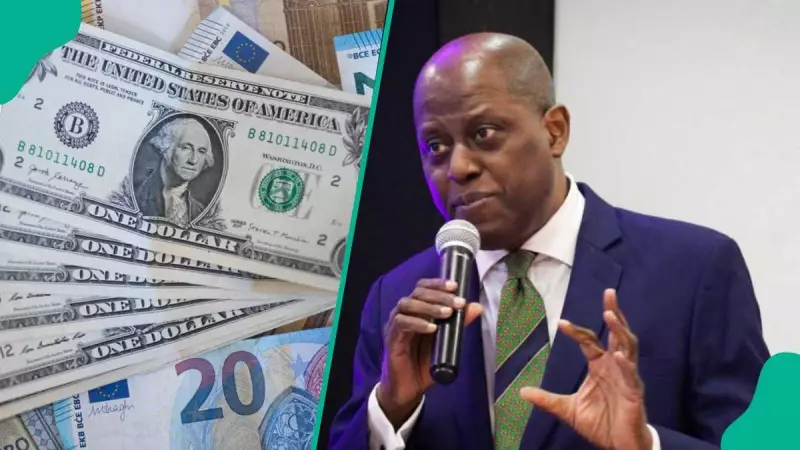
Nigeria has experienced a remarkable turnaround in foreign investor confidence, attracting a substantial $20.98 billion in foreign capital inflows during the first ten months of 2025. This significant financial milestone was officially announced by the Governor of the Central Bank of Nigeria (CBN), Olayemi Cardoso, at the prestigious Chartered Institute of Bankers of Nigeria (CIBN) Annual Bankers' Dinner held in Lagos.
The newly released figures represent a dramatic upswing in the country's ability to attract international finance. According to Governor Cardoso, this inflow marks a 70% increase compared to the total for the entire year of 2024 and an astonishing 428% surge from the figures recorded in 2023. This powerful trend is being hailed as a clear indicator of renewed global trust in Nigeria's monetary policy direction and the broader economic reforms being implemented.
FX Reforms Drive Market Stability and Transparency
The CBN governor provided a detailed explanation for this success, attributing it directly to the major improvements witnessed in the foreign exchange market. He emphasized that the Central Bank has successfully maintained a unified FX market and, critically, has cleared all outstanding foreign exchange backlogs that had long been a major deterrent for investors.
Cardoso highlighted that the introduction of the Nigerian Foreign Exchange Code and the Electronic Foreign Exchange Management System (EFEMS) has been instrumental. These systems have introduced a new era of stronger transparency, real-time monitoring, and more efficient price discovery. The tangible result of these measures is that the gap between the official and parallel market exchange rates has been drastically reduced to less than 2%, a monumental improvement from the disparity of over 60% observed just a year ago.
Looking forward, the governor revealed that a revised FX Manual will soon be released to the public. This document is designed to widen market participation, improve documentation processes, and further strengthen regulatory consistency.
Reserves and Current Account Show Robust Health
Further bolstering the positive economic narrative, Governor Cardoso shared that Nigeria's external reserves have grown impressively. The reserves reached $46.7 billion by mid-November 2025, standing at their highest level in nearly seven years. He confirmed that these reserves now provide more than ten months of import cover for the nation and are being rebuilt through organic means, including improved market activities, rising non-oil exports, and the strong capital inflows.
The country's current account balance has also demonstrated significant strength. It rose to $5.28 billion in the second quarter of 2025 alone, reflecting an 85% increase from the previous quarter. The governor credited this improvement to higher earnings from non-oil exports and a 12% rise in remittance inflows, which have been facilitated by reforms in reporting and settlement processes.
CBN Commits to Fiscal Discipline and Future Goals
In a firm commitment to fiscal responsibility, the CBN governor made a pivotal announcement regarding government financing. He stated unequivocally that the apex bank will no longer engage in monetary financing of the Federal Government's deficit, a practice commonly known as 'Ways and Means' funding.
He praised the federal government for its own efforts, including the rollout of revenue reforms such as the Revenue Optimisation (RevOp) framework, the creation of the National Revenue Agency, and enhancements to the Treasury Single Account (TSA).
Outlining the path ahead, Governor Cardoso listed the Bank's strategic focus areas for 2026. These priorities include:
- Strengthening banking supervision
- Enhancing corporate governance
- Deepening financial inclusion across the nation
- Modernizing payment systems
- Improving the regulatory framework for fintech and digital-asset innovation
The governor expressed confidence that Nigeria is now better shielded against global economic shocks, thanks to its flexible FX regime, the growth of non-oil exports, and the expansion of its services sector. With oil now contributing less to both GDP and government revenue, the Nigerian economy appears to be on a more diversified and resilient footing, ready to absorb external pressures and continue its path of growth.




