
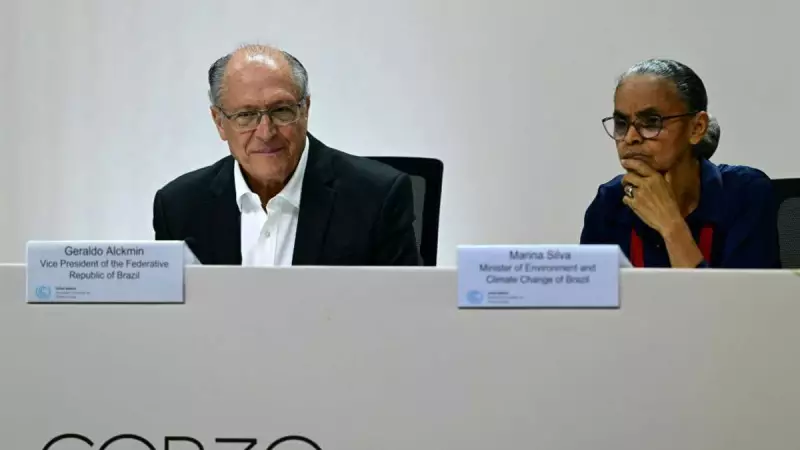
In a crucial development at the COP30 climate summit in Belem, Brazil has unveiled the first draft of a potential global climate agreement as negotiations enter their critical final phase. The draft emerged late Tuesday after extended talks that stretched deep into the night, setting the stage for intense diplomatic discussions ahead of the summit's scheduled conclusion.
Presidential Push for Progress
Adding significant political weight to the proceedings, Brazilian President Luiz Inácio Lula da Silva announced he would return to the rainforest city of Belem on Wednesday. This unexpected move is widely seen as a strategic effort to break deadlocks and secure a comprehensive agreement before the summit closes.
David Waskow, international climate director at the World Resources Institute, noted that "It would be a way of putting pressure on delegates to move quickly to resolve issues" - highlighting the tactical nature of Lula's return to the negotiating arena.
Draft Text Reveals Deep Divisions
The nine-page draft document, obtained by AFP, reveals the substantial gaps remaining between nearly 200 participating nations. The text presents multiple options across key contentious areas, reflecting the challenging path ahead toward a final pact.
Among the most significant flashpoints addressed in the draft are trade measures, climate finance for developing nations, and the inadequacy of current carbon reduction commitments by countries worldwide.
EU climate chief Wopke Hoekstra described the draft as a "mixed bag" and expressed opposition to certain proposals regarding climate finance and trade measures. He specifically referenced China's focus on the EU's carbon pricing policy, stating the bloc would not be "lured into a phony conversation about trade measures."
Fossil Fuels and Finance at Forefront
The draft text underscores the fundamental division between nations advocating for a clear fossil fuel phaseout roadmap and oil-producing countries resisting such measures. It proposes several alternatives, including an optional workshop on "low carbon solutions" or a high-level ministerial roundtable to help countries "progressively overcome their dependency on fossil fuels."
On climate finance, the document suggests tripling financial assistance from wealthy nations to developing countries for climate adaptation by either 2030 or 2035. This represents a key demand from poorer nations that bear disproportionate climate impacts.
Vanuatu's climate change minister, Ralph Regenvanu, emphasized the urgency during summit proceedings, declaring that "Climate finance is not charity. It is a legal and moral obligation."
The draft also proposes more frequent assessment of national climate pledges - potentially moving to annual reviews instead of the current five-year cycle - to better track global efforts in reducing greenhouse gas emissions.
Accelerated Timeline Signals Confidence
Observers noted that the relatively quick production of a draft text indicates Brazil's confidence in reaching an agreement soon. Li Shuo, a climate analyst at the Asia Society Policy Institute, told AFP that the draft "represents a steady progression from the previous iteration and is likely one of the earliest releases of such a clean text in recent COP history."
With the talks previously stalled, Brazil had announced Monday it wanted an agreement by midweek, prompting exhausted negotiators to extend their working hours significantly. The marathon climate negotiations are officially scheduled to conclude Friday, though previous summits have frequently extended beyond their planned deadlines.
As small island nations and developing countries push for stronger commitments, the pressure mounts for a meaningful outcome. Josephine Moote, permanent representative of Kiribati, captured the sentiment of many vulnerable nations, stating "We must show the world that multilateralism is alive" through concrete action at COP30.




