
Serbia's Energy Crisis Reaches Critical Point
Serbia finds itself on the brink of a severe winter energy crisis as multiple geopolitical pressures converge, creating what analysts describe as a perfect storm for the Balkan nation. The country's diplomatic balancing act between East and West has left its energy security hanging by a thread.
Refinery Crisis Looms Large
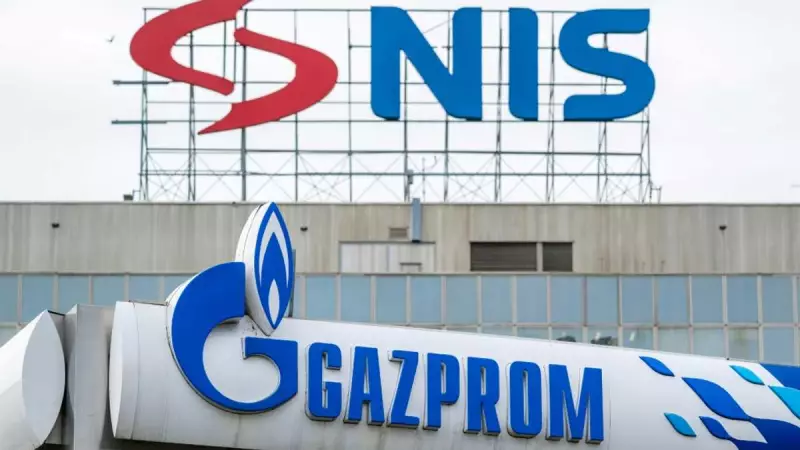
The Petroleum Industry of Serbia (NIS), which supplies 80 percent of the country's fuel needs, faces imminent shutdown due to US sanctions targeting its Russian owners. Energy Minister Dubravka Djedovic Handanovic has issued a stark warning that time is running out for the country's sole refinery.
According to expert assessments, NIS could exhaust all its fuel reserves by November 25, creating an unprecedented supply crisis as winter approaches. Energy specialist Zeljko Markovic emphasized to AFP that maintaining refinery operations is absolutely essential for stable winter supplies.
The situation becomes more critical when considering Serbia's limited capacity to import sufficient oil products to cover market demands. Relying entirely on imports would prove extremely difficult given existing infrastructure constraints.
Sanctions and Ownership Complications
The core of the problem lies in NIS's ownership structure. Gazprom Neft holds 45 percent ownership of the refinery, making it a direct target of US sanctions designed to limit Russia's energy profits following its invasion of Ukraine. In September, Gazprom transferred its additional 11.3 percent stake to another Russian entity called Intelligence.
The Serbian government maintains nearly 30 percent ownership, with minority shareholders holding the remainder. Despite ongoing negotiations and a request for temporary licensing from Washington, prospects for resolution appear dim.
Markovic remains skeptical about Moscow's willingness to genuinely divest, noting that previous ownership changes merely shifted shares between Russian companies. The most viable solution, according to analysts, would involve the Serbian state taking complete control of NIS - an option officials have repeatedly dismissed.
Gas Supply Uncertainties Compound Crisis
Beyond the refinery crisis, Serbia faces additional energy challenges with its natural gas supplies. Cheap Russian gas constitutes the vast majority of Serbia's gas mix, delivered through the TurkStream pipeline via Bulgaria.
Current arrangements involve short-term contracts, with the latest agreement set to expire on December 31. Belgrade has been attempting to secure a long-term deal with Moscow, but negotiations have proven challenging.
The state natural gas company Srbijagas reports that Russia currently supplies six million cubic metres of gas daily at prices significantly below market value. This dependency creates vulnerability, particularly as major industries and urban heating systems in cities like Belgrade rely heavily on natural gas.
Markovic describes the short-term contract approach as a tool of control over Serbia. If no new agreement materializes, the country faces the prospect of purchasing Russian gas under less favorable terms or seeking alternative sources at substantially higher costs.
Diplomatic Balancing Act Unravels
Serbia's current predicament stems from its unique diplomatic position. As an EU candidate country, it remains one of the few European nations that hasn't imposed sanctions on Russia following the Ukraine invasion, maintaining close ties with the Kremlin.
Recently, President Aleksandar Vucic has openly criticized Russia, accusing Moscow of using short-term gas contracts to prevent the nationalization of NIS. This solution has been successfully implemented in neighboring countries like Romania and Bulgaria to mitigate sanction impacts.
Russian officials have expressed frustration with what they perceive as Serbia's inconsistent positioning. Russian Foreign Ministry spokeswoman Maria Zakharova noted the disparity between Vucic's statements in Moscow versus his comments elsewhere.
Former Serbian diplomat Branka Latinovic attributes the current crisis to years of attempting to zig-zag between Moscow and Brussels. She argues that Serbia's policy of balancing multiple pillars alongside military neutrality no longer fits the current global context, with the NIS sanctions making this incompatibility painfully evident.
Broader Regional Implications
The energy crisis extends beyond immediate supply concerns. The European Union's planned phaseout of Russian gas imports from next year threatens to deal another blow to Serbia, even if it manages to secure a new agreement with Moscow.
Serbia's current supply route through Bulgaria could face additional complications as EU energy policies evolve. This creates long-term uncertainty about the country's energy security strategy.
While Serbia supplements its gas supplies with imports from Azerbaijan and domestic production, these sources remain insufficient to compensate for potential losses in Russian supply. The convergence of these multiple challenges creates what experts describe as one of the most severe energy crises in Serbia's recent history.
As winter approaches and negotiations continue, the clock ticks toward potential energy shortages that could affect millions of Serbian citizens and the country's economic stability.




