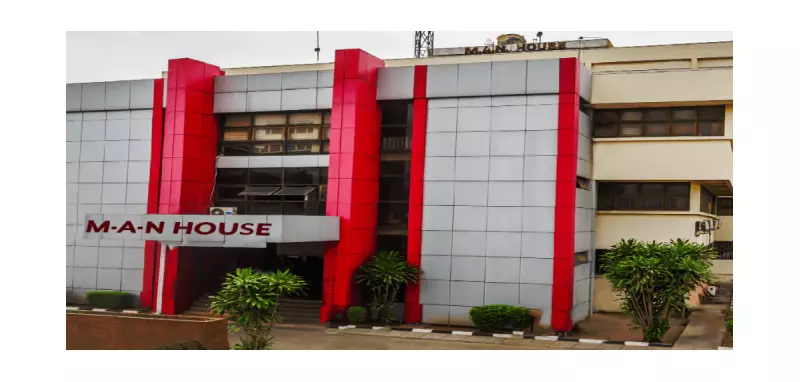
The Manufacturers Association of Nigeria (MAN) has raised a serious alarm, stating that a combination of persistent challenges is severely hindering the growth of the manufacturing sector in the Niger Delta region and across the country.
Key Challenges Crippling Factories
In a communique issued after its 2025 Annual General Meeting (AGM) and conference, the Rivers/Bayelsa states chapter of MAN detailed the major obstacles. These include exorbitant energy costs, an unreliable electricity supply from the national grid, and weak transport systems that drive up logistics expenses.
The association also pointed to other critical issues stifling production, such as:
- The burden of multiple taxes and levies.
- Inconsistent regulatory frameworks that create uncertainty.
- Pressure from host communities.
These factors collectively create a difficult environment for manufacturers to operate and expand.
A Blue Economy Pathway for the Future
The AGM, themed 'Trade, Technology, and the Future of Manufacturing in the Niger Delta,' served as a platform to chart a new course. MAN identified the blue economy as a viable and strategic pathway for Nigeria's industrialisation.
The communique, signed by the Branch Chairman, Vincent Okuku, the Vice Chairman, Michael Nosa Agana, and the Executive Secretary, Chibuzor Eze, specifically urged the governments of Rivers and Bayelsa states to fully develop and harness their maritime potential.
They were encouraged to act as strategic gateways for sustainable growth by embracing cross-border partnerships with neighbouring states to boost trade, enhance security, and improve environmental management.
Essential Pillars for Regional Growth
To secure the economic future of the Niger Delta, MAN stressed that the region must move away from dependence on extractive industries and embrace diversification. The association outlined several essential pillars for the future of manufacturing in the region.
These include leveraging technology and innovation, focusing on value addition and local processing, developing strategic infrastructure, and building a skilled workforce.
To fill human capital gaps, MAN recommended intensive technical and vocational training aligned with modern industrial needs. It highlighted emerging opportunities in areas like fish processing, seaweed cultivation, ship repair, and marine technology.
The association concluded by calling on governments in the region to intensify support for manufacturing activities and actively encourage various forms of collaboration across different sectors.