
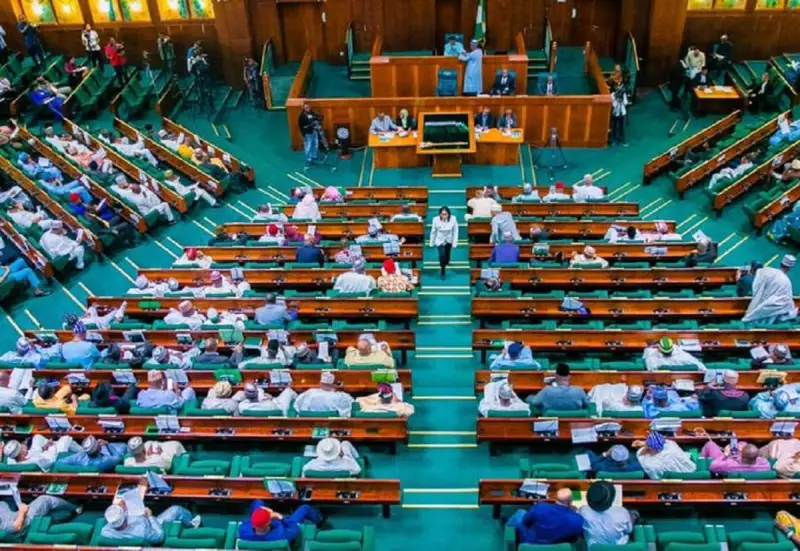
The House of Representatives Committee on the South-South Development Commission has raised serious concerns about the continued failure to implement crucial environmental provisions of the Petroleum Industry Act (PIA) 2021, warning that Nigeria risks worsening ecological damage in the Niger Delta region.
Committee Chairman Sounds Alarm
Committee Chairman Julius Pondi issued the warning during an interactive session with stakeholders at the National Assembly, emphasizing that urgent action is necessary to prevent further environmental degradation. Pondi expressed frustration that four years after the PIA became law, two critical environmental protection mechanisms remain non-operational.
The Abandonment and Decommissioning Fund and the Environmental Remediation Fund, established to hold oil companies accountable for decades of environmental damage, have yet to become functional despite legal requirements for their implementation since 2021.
Massive Financial Losses Documented
According to data presented to the committee, the financial impact of this delay is staggering. The Abandonment and Decommissioning Fund should have accumulated between N850 billion and N1.1 trillion by now, while the Environmental Remediation Fund ought to have gathered between N420 billion and N550 billion if implementation had commenced as legally mandated.
Pondi highlighted the human cost of these lost opportunities, stating that "these figures represent lost opportunities to restore damaged lands, rehabilitate polluted ecosystems, provide potable water, secure communities, and protect the livelihoods of millions of people whose environments have suffered decades of neglect."
Visible Environmental Consequences
The consequences of non-implementation are already evident throughout the Niger Delta region, with multiple environmental challenges affecting local communities:
- Widespread pollution of farmlands and agricultural areas
- Contamination of rivers and water sources
- Abandoned oil installations creating safety hazards
- Declining fisheries affecting local economies
- Worsening public health conditions in affected communities
Pondi criticized regulatory agencies including the Nigerian Upstream Petroleum Regulatory Commission (NUPRC) and the Nigerian Midstream and Downstream Petroleum Regulatory Authority (NMDPRA) for their lack of clarity and progress on implementing the environmental funds. Their performance has raised serious questions about institutional capacity and commitment to environmental protection.
Potential New Agency Considered
The persistent shortcomings of existing regulators have prompted discussions within parliament and among national stakeholders about establishing a new, dedicated agency specifically tasked with administering the environmental funds. This consideration comes as current regulators continue to fail in their responsibilities under the PIA.
"This Committee is determined to ensure that the intentions of the PIA and the SSDC Act translate into real benefits for the people," Pondi affirmed during the session.
The interactive meeting brought together officials from multiple agencies including NUPRC, NMDPRA, NOSDRA, the SSDC, and the Ministries of Petroleum and Environment, with the goal of developing a coordinated and accountable framework for operationalizing the critical environmental funds.
Pondi expressed disappointment that the heads of the relevant agencies were absent from the session but assured that the House of Representatives would remain firm in its oversight duties to ensure that environmental justice and sustainable development become realities for the affected Niger Delta communities.




