
The Pan African Parliament has officially recognized Nigeria's groundbreaking reforms in the petroleum sector, describing the country's turnaround as historic and setting a new benchmark for the continent.
Continental Recognition for Petroleum Industry Act
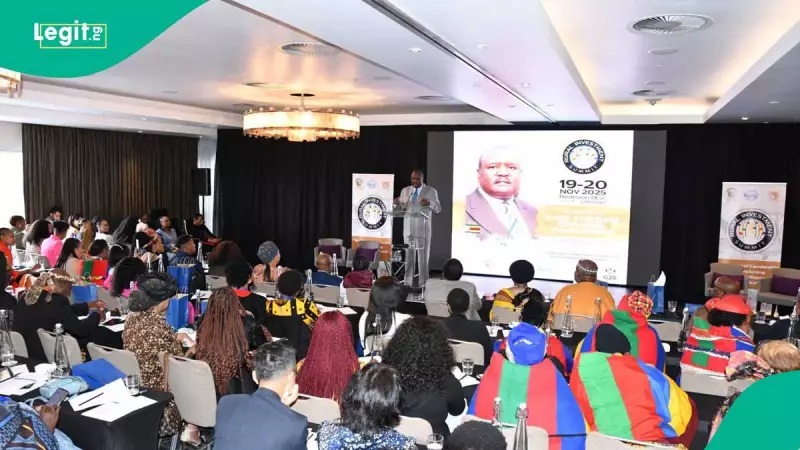
During a special 14-day syndicate meeting of West African parliamentarians held in Johannesburg, South Africa, the Pan African Parliament members praised Nigeria's faithful implementation of the Petroleum Industry Act (PIA) of 2021. The continental body described Nigeria's upstream reforms as a practical template that other African oil-producing nations should emulate.
The meeting resolved to accelerate the drafting of a Model Law on Natural Resource Governance, citing Nigeria's transparent, predictable and investment-friendly licensing regime as the central reference point for other African countries.
Remarkable Production Recovery
PAP members highlighted Nigeria's dramatic production rebound, noting that official figures confirm the country has repeatedly surpassed 1.7 million barrels per day in 2025. This achievement marks the end of a decade-long stagnation caused by security challenges and operational setbacks.
According to a statement released after the PAP meeting, Nigeria now stands firmly on course to achieve its long-standing target of 2.5 million barrels per day by 2026. The near-70 rig count recorded this year represents the highest in almost a decade, with more than forty rigs still active.
This reflects the strongest upstream drilling activity in years and unmistakable evidence that global investor sentiment has turned decisively in Nigeria's favor.
African Nations Take Cues from Nigerian Model
Massamba Dieng of Senegal told journalists that what Nigeria has accomplished in less than five years is nothing short of revolutionary for Africa. He specifically praised the disciplined enforcement of 'drill or drop' policies, the return to annual licensing rounds conducted on a fully digital and transparent platform, and the recovery of billions of barrels in stranded assets.
Dieng stated that Nigeria has transformed into the continent's most attractive upstream destination, adding that Senegal and other West African nations intend to borrow heavily from this model as they craft their own reforms.
Salifu Jawo, a Gambian member of the Pan African Parliament, emphasized that Nigeria's leadership extends beyond its borders through its chairmanship of the African Petroleum Regulators Forum under Engr. Gbenga Komolafe. He noted that the practical knowledge being shared through AFRIPERF is already helping smaller producers design better regulatory frameworks.
Jawo revealed that Gambia is currently drafting a Model Law that will be built largely on Nigeria's experience, describing Nigeria's combination of political will, legislative clarity in the PIA, and courageous regulatory execution as a success story Africa can replicate.
The parliamentarians noted that Nigeria's bold reforms are being actively disseminated across the continent through AFRIPERF platforms, offering practical guidance to regulators seeking to attract investment and maximize resource value.




