
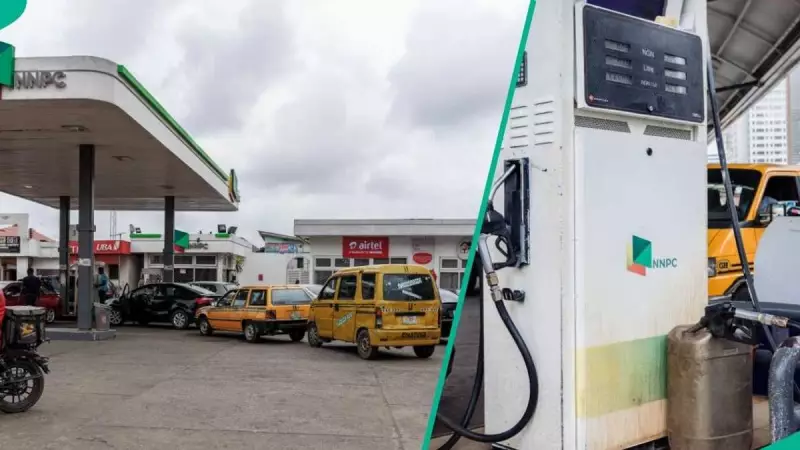
In a significant market shift, major Nigerian filling stations have begun selling petrol at prices lower than those set by the Nigerian National Petroleum Company Limited (NNPC). This development follows a sharp increase in petrol imports into the country, fostering new competition.
Price Reductions at Major Stations
Market checks reveal that prominent fuel retailers are now offering petrol at reduced rates. Ardova is selling at N890 per litre, while MRS has set its price at N880 per litre. This contrasts with the NNPC retail outlets, which continue to dispense fuel at N910 per litre.
Surge in Petrol Imports
The price changes coincide with a substantial rise in petrol imports. A total of 149,500 metric tonnes (approximately 194.35 million litres) of Premium Motor Spirit (PMS) is scheduled to arrive in Nigerian ports between Friday, November 21, and Tuesday, November 25, 2025.
This fresh wave of imports was triggered by the Federal Government's decision to suspend the planned 15% ad-valorem import duty on petrol and diesel until the first quarter of 2026. The policy, initially approved by President Bola Tinubu as part of a market-responsive framework to protect domestic refineries, was widely expected to increase pump prices.
Port Arrivals and Dangote's Response
Data from the Nigerian Ports Authority (NPA) indicates that Tin Can Island Port handled the largest share of PMS inflows, receiving 58,500 metric tonnes within two days. Other ports, including Calabar and Warri, also recorded significant volumes.
Concurrently, the Dangote Petroleum Refinery reduced its ex-gantry petrol price to N828 per litre, a significant drop of N49 from its previous rate. This move aligns with Dangote's plan to increase output to 1.4 million barrels per day.
The combination of suspended import duties and increased supply is creating a more competitive fuel market in Nigeria, offering temporary relief to consumers amid broader economic discussions.




